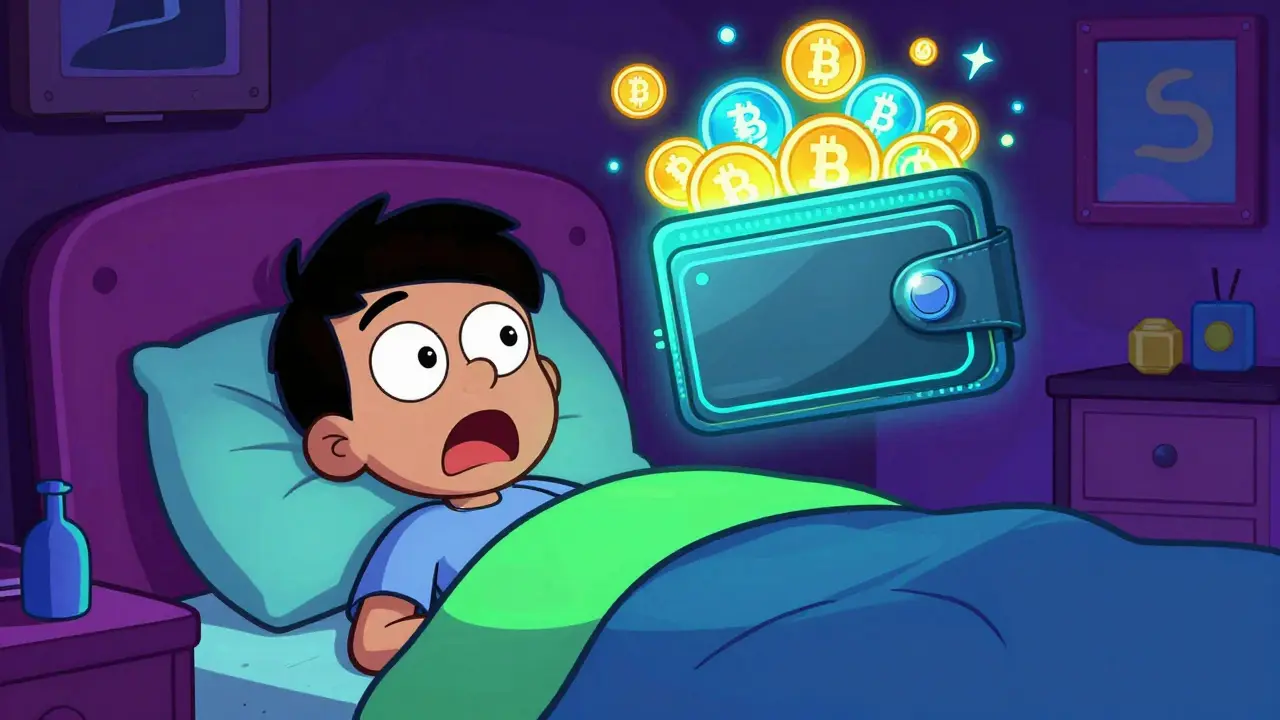
Before we jump into the mechanics, let's be real: the crypto world is full of noise. When a project like The APIS announces a token event, the line between a legitimate reward and a phishing scam becomes very thin. To navigate this, you need to understand not just the 'how' of the airdrop, but the 'why' behind the project. The APIS isn't just a random token; it's built around the concept of providing scalable, developer-friendly tools for the next generation of decentralized apps.
Quick Takeaways: The APIS Token Event
- Core Purpose: Reward users who contribute to the growth of the APIS blockchain infrastructure.
- Eligibility: Typically based on previous interaction with the platform's beta tools or holding specific partner assets.
- Distribution: Handled via smart contracts to verified wallet addresses.
- Risk Factor: Always verify official links to avoid wallet-drainer scams.
Understanding the Ecosystem Behind the Tokens
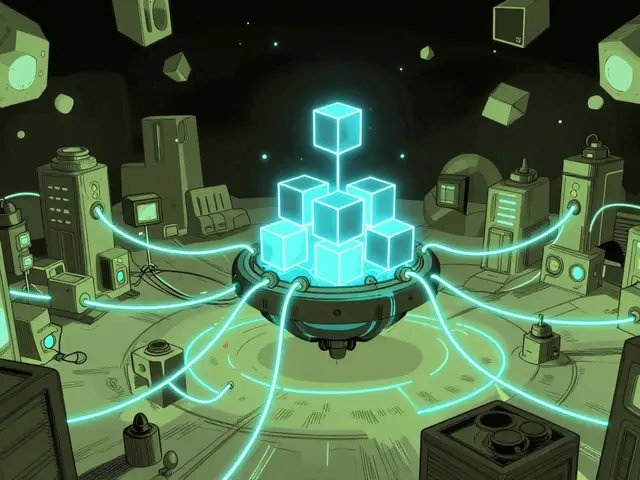
To understand the value of the airdrop, you have to look at what The APIS actually does. At its heart, Blockchain Infrastructure is the foundational layer of software and hardware that allows decentralized networks to operate, handle transactions, and store data securely. The APIS positions itself as a bridge for developers who don't want to spend months building the plumbing of their app from scratch.
They offer what's known as BaaS (Blockchain as a Service, which is a cloud-based service that allows businesses to build, host, and use their own blockchain apps without managing the back-end infrastructure. By automating the complex parts of blockchain integration, The APIS makes it possible for a small team to launch a product that can scale to millions of users without the system crashing. This utility is what gives the The APIS airdrop actual value; you aren't just getting a meme coin, you're getting a stake in a productivity tool for developers.
How the Airdrop Actually Works
Most people think an airdrop is just a "free money" button, but it's usually a strategic move to decentralize governance. The project distributes tokens to create a wide base of holders who have a vested interest in the platform's success. If you've used their API endpoints or participated in their early testnets, you've likely already met the criteria.
The process generally follows a specific sequence. First, the team takes a "snapshot" of the blockchain. This is basically a digital photograph of every wallet address and its balance at a specific block height. If your wallet was active and met the requirements at that exact moment, you're on the list. From there, you usually have to connect your wallet to a claim portal. This is where you need to be extremely careful. Never, under any circumstances, share your seed phrase to "verify" your eligibility.
| Criteria Type | Typical Requirement | The APIS Approach |
|---|---|---|
| Usage Based | Number of transactions | API call volume & testnet activity |
| Holding Based | Owning a specific NFT/Token | Staking of partner ecosystem tokens |
| Social Based | Following on X/Discord | Developer community contributions |

Step-by-Step: Claiming Your APIS Tokens
- Verify Eligibility: Visit the official project dashboard. Enter your public wallet address to see if you are listed in the snapshot.
- Connect Your Wallet: Use a trusted wallet like MetaMask or Phantom. Ensure you are on the correct network (e.g., Ethereum or a Layer 2).
- Sign the Transaction: You will need to pay a small amount of "gas" (network fees) to trigger the smart contract to send the tokens to your address.
- Add Token Contract: Tokens often don't show up automatically. You'll need to copy the official contract address from the project's documentation and "Import Token" in your wallet.
The Connection to Larger Blockchain Trends
The APIS isn't operating in a vacuum. It fits into a larger trend where Web3 is the evolving version of the internet focused on decentralization, where users own their data and identity via blockchain technology. As more companies move away from centralized servers, the demand for tools that can manage Smart Contracts-which are self-executing contracts with the terms of the agreement directly written into lines of code-is skyrocketing.
When you look at competitors or similar infrastructure projects, you see a pattern. They aren't just selling tokens; they are selling efficiency. The APIS aims to be the "Stripe for Blockchain," making the movement of data and value as easy as a few lines of code. If they succeed, the tokens you receive in the airdrop could transition from a simple reward to a governance tool, allowing you to vote on future upgrades or fee structures.

Avoiding the Pitfalls and Scams
Let's talk about the dark side. Because airdrops are popular, scammers create fake "Claim Now" websites that look exactly like the real thing. They use Phishing techniques to trick you into signing a transaction that doesn't send you tokens, but instead gives the scammer permission to spend all the assets in your wallet.
A huge red flag is any site that asks for your private keys or seed phrase. A legitimate airdrop only requires a wallet connection and a signature. If a "support agent" messages you on Telegram or Discord telling you to "synchronize your wallet」 to receive the APIS tokens, block them immediately. There is no such thing as wallet synchronization for airdrops.
What is the total supply of tokens being airdropped?
While specific numbers vary by phase, most infrastructure projects allocate between 3% to 10% of their total supply for community rewards and initial airdrops to ensure a healthy distribution of tokens among active users.
Can I sell my APIS tokens immediately?
This depends on the vesting schedule. Some airdrops are "unlocked" immediately, while others release tokens gradually over several months to prevent a massive price crash from everyone selling at once.
What happens if I missed the snapshot?
Once a snapshot is taken, you typically cannot be added to that specific distribution. However, many projects run multiple "seasons" of airdrops, so staying active in the developer community is your best bet for future rewards.
Is the APIS airdrop free?
The tokens themselves are free, but you will always have to pay a network fee (gas) to claim them. Be wary of any site that asks for an "activation fee" sent to a random wallet address.
How do I know the contract address is legitimate?
Always cross-reference the contract address on the project's official documentation and a blockchain explorer like Etherscan. Never trust a contract address sent via a direct message.
Next Steps for New Users
If you're new to this, don't rush. Start by setting up a dedicated "burner wallet." This is a separate wallet where you keep only a small amount of funds and use it specifically for claiming airdrops. If a site happens to be malicious, you only lose a tiny amount rather than your entire portfolio.
Once your burner wallet is ready, join the project's official Discord. This is where the real-time updates happen. Look for the "announcements" channel to find the exact date and time for the next claim window. Finally, keep an eye on the project's GitHub activity. For a tool like The APIS, a high volume of commits and active developers is the strongest signal that the token actually has a future.



Aaliyah BROTHERS
SURELY another scheme by the GLOBALISTS to track our every move!!! This "infrastructure" is just a fancy word for DIGITAL SHACKLES!!!! wake up people!!!! 🇺🇸🇺🇸🇺🇸