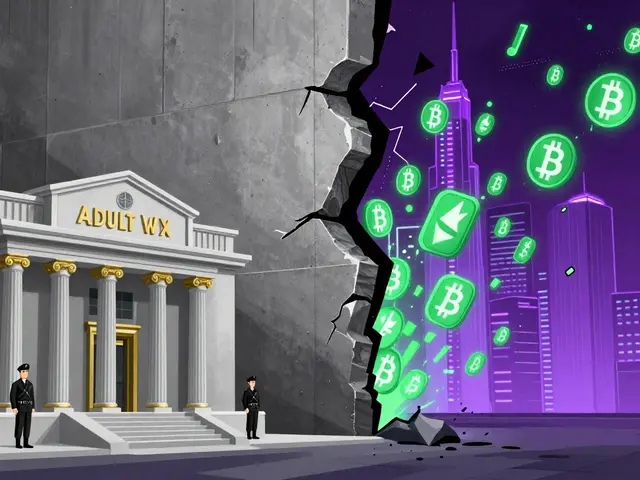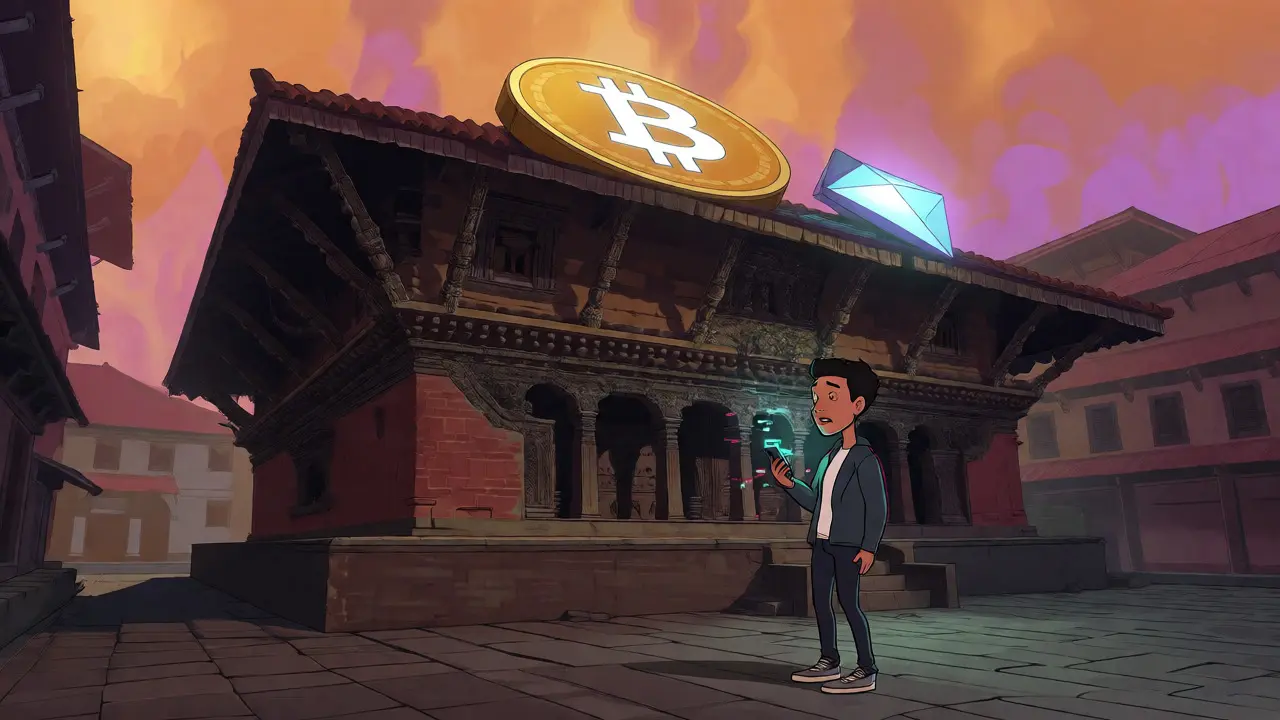
Imagine buying a house in Kathmandu with Bitcoin. Sounds like a modern financial dream? In Nepal, it’s a fast track to losing your home and facing jail time. As of 2026, the country maintains one of the strictest stances on digital assets in South Asia. If you are caught trading, mining, or even holding crypto here, you aren’t just breaking a rule; you are committing a criminal offense that can lead to severe asset forfeiture.
Why does this matter to you? Maybe you’re a Nepali expat sending money home via USDT. Maybe you’re a developer eyeing the local market. Or perhaps you’re just curious about why a nation so close to tech-hungry India remains a crypto no-go zone. The answer lies in a rigid legal framework that treats every satoshi as a threat to national stability. This article breaks down exactly how asset forfeiture works when you cross the line in Nepal, what laws apply, and why the risk is higher than most realize.
The Legal Backbone: Why Crypto Is Illegal in Nepal
To understand forfeiture, you first need to understand the crime. In Nepal, cryptocurrency isn’t just unregulated; it is explicitly banned. The primary law governing this is the Muluki Criminal Code Act 2017. Specifically, Section 262(A) defines cryptocurrency broadly. It covers any information, code, token, or virtual asset created electronically through cryptography that has commercial significance or stores value.
This definition is intentionally wide. It doesn’t just target Bitcoin. It captures stablecoins, NFTs, and any tokenized asset. The Nepal Rastra Bank (NRB), the central bank, enforces this prohibition aggressively. Their stance is clear: because these assets lack government backing and oversight, they pose risks to monetary control. Consequently, all activities-mining, trading, storage, and possession-are illegal.
| Activity | Legal Status | Governing Law |
|---|---|---|
| Buying/Selling | Illegal | Muluki Criminal Code Act 2017 |
| Mining | Illegal | NRB Directives |
| Holding/Possession | Illegal | Anti-Money Laundering Act |
| Payment Acceptance | Illegal | Foreign Exchange Regulation Act |
How Asset Forfeiture Works in Practice
So, what happens when authorities catch you? The process isn’t always straightforward because Nepal lacks specific procedural guidelines solely for crypto forfeiture. Instead, cases are handled under general criminal asset forfeiture laws linked to financial crimes and money laundering violations.
When the police or the Department of Money Laundering Investigation (DMLI) seize crypto assets, they typically treat them as proceeds of crime. Here is the typical flow:
- Detection: Banks flag suspicious transactions involving foreign exchanges or peer-to-peer transfers that don’t match declared income.
- Seizure: Authorities freeze bank accounts linked to the purchase. If physical wallets or devices are found, they may be confiscated.
- Investigation: Investigators trace the origin of funds. If the source is deemed illicit or if the activity itself is the crime, the assets are held.
- Forfeiture Decision: A court determines if the assets should be permanently seized by the state. Since the underlying activity is illegal, defense options are limited.
It’s crucial to note that you don’t just lose the crypto. You often face fines and imprisonment. The law views the asset itself as tainted. Therefore, returning it to you might imply validating an illegal transaction, which the judiciary avoids.
The Role of the Nepal Rastra Bank and NTA
Enforcement isn’t just about arrests. It’s about cutting off access. The Nepal Telecommunication Authority (NTA) plays a key role by blocking websites associated with major exchanges like Binance or Coinbase. This makes direct trading difficult but not impossible, pushing users toward informal P2P networks.
The NRB warns regularly that engaging in these markets undermines the Nepalese Rupee (NPR). They argue that widespread adoption could destabilize the economy by creating a parallel currency system that escapes taxation and monetary policy. This fear drives the strict enforcement. If you try to bypass website blocks using a VPN, you are still subject to the law if your financial footprint reveals the transaction.

Risk Factors: Who Is Most Vulnerable?
Not everyone faces the same level of scrutiny. Certain groups are more likely to trigger investigations leading to forfeiture.
- Remittance Users: Many Nepalis work abroad. Using stablecoins to send money home is faster and cheaper than traditional banks. However, if the receiving party converts it to NPR without declaring it properly, both sender and receiver risk penalties.
- Local Traders: Individuals running small P2P businesses face high risk. They operate in a gray area where cash changes hands, but the digital trail exists.
- Investors with Foreign Accounts: Nepali citizens with bank accounts abroad who trade crypto are technically violating residency-based tax and forex rules. If they repatriate profits, those funds may be scrutinized.
Consider a real-world scenario: A student in Kathmandu buys Ethereum using dollars sent from a relative in the US. The dollar transfer looks legitimate. But when the ETH is sold locally for NPR, the discrepancy between declared income and actual spending power raises red flags. The DMLI may investigate, leading to potential forfeiture of the remaining balance.
Global Context: Is Nepal Alone?
Nepal’s stance is becoming rarer. According to recent data, only about 12% of emerging markets maintain outright bans on crypto trading, down from nearly 20% in previous years. Neighbors like India have shifted toward regulation rather than prohibition. India imposes taxes and requires reporting, allowing the market to exist within legal boundaries.
In contrast, Nepal sticks to a binary approach: allowed or illegal. There is no middle ground for licensed exchanges or regulated custodians. This isolation means that while global trends move toward integration, Nepal reinforces its barriers. For investors, this creates a unique risk profile. You aren’t just betting on price volatility; you’re betting against regulatory change.

What Can You Do? Alternatives and Mitigations
If you live in Nepal or plan to do business there, how do you navigate this landscape? Complete avoidance is the safest route, but not always practical. Here are some strategies:
- Keep Assets Offshore: Hold crypto in non-Nepali jurisdictions. Avoid converting back to NPR unless necessary and declare it correctly.
- Focus on Blockchain Tech: The ban targets cryptocurrencies as assets. Some applications of blockchain technology, such as supply chain tracking or healthcare records, may not fall under the same prohibitions. Consult a local lawyer before implementing.
- Monitor Policy Shifts: While unlikely soon, political pressure from the younger demographic could prompt review. Stay updated on NRB circulars.
Remember, ignorance of the law is rarely a successful defense in financial crime cases. If you hold significant value in crypto while residing in Nepal, document everything. Be prepared to prove the origin of funds and the timing of transactions.
Frequently Asked Questions
Is it illegal to own cryptocurrency in Nepal?
Yes, owning, storing, and trading cryptocurrency is illegal in Nepal. The Muluki Criminal Code Act 2017 prohibits these activities, treating them as criminal offenses subject to fines and imprisonment.
Can my crypto assets be confiscated by the government?
Yes. Under anti-money laundering laws and general criminal forfeiture procedures, authorities can seize crypto assets involved in illegal trading or suspected money laundering. These assets may be permanently forfeited to the state.
Does using a VPN to access crypto exchanges protect me?
No. While a VPN hides your IP address, it does not hide your financial transactions. Bank records showing transfers to or from known crypto entities can still trigger investigations and asset seizure.
Are stablecoins like USDT also banned?
Yes. The legal definition of cryptocurrency in Nepal includes any electronic token with commercial significance. Stablecoins fall under this category and are subject to the same prohibitions as Bitcoin or Ethereum.
What are the penalties for crypto violations in Nepal?
Penalties include heavy fines, imprisonment, and forfeiture of assets. The severity depends on the volume of transactions and whether the activity is linked to other financial crimes like tax evasion.
Final Thoughts on Navigating Nepal’s Crypto Ban
Nepal’s approach to cryptocurrency is a case study in regulatory caution. By banning digital assets entirely, the government aims to protect the Nepalese Rupee and prevent financial instability. For individuals, this means high stakes. Asset forfeiture isn’t just a theoretical risk; it’s a tangible consequence enforced by active monitoring and strict laws.
If you are serious about crypto, consider your jurisdiction carefully. Holding assets in Nepal carries legal baggage that many other countries have shed. Until the NRB signals a shift toward regulation, the safest play is to keep your digital wealth outside the country’s borders. The cost of compliance-or non-compliance-is too high to ignore.


![What Is Pi [IOU] (PI)? Understanding the Difference Between IOUs and Real Pi Coin](/uploads/2026/07/thumbnail-what-is-pi-iou-pi-understanding-the-difference-between-ious-and-real-pi-coin.webp)