Quick Summary: The State of Bitvast in 2026
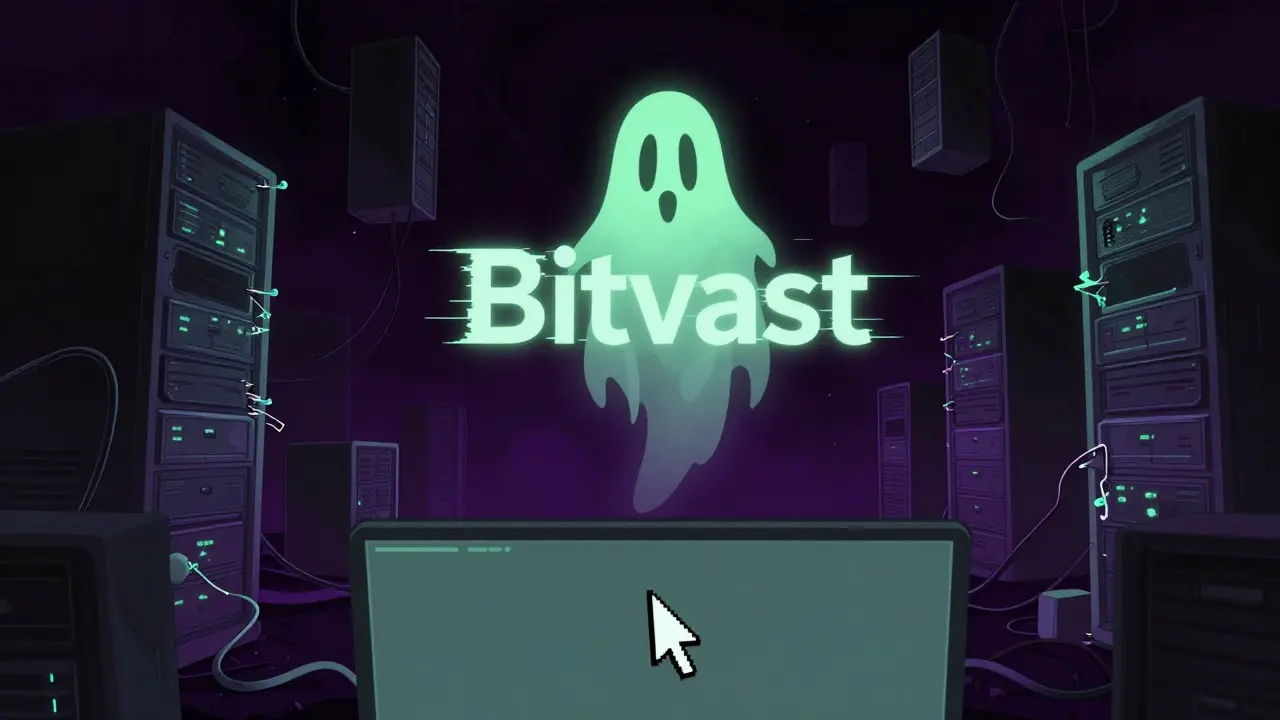
- Operational Status: Bitvast has effectively ceased operations as of mid-2026. There is no official bankruptcy announcement, but the platform is inactive.
- Major Risk: Depositing funds into Bitvast currently carries an extremely high risk of total loss due to lack of support and liquidity.
- Original Promise: Founded in 2018, it claimed to offer low-fee OTC (Over-The-Counter) trading for large institutional volumes.
- Current Verdict: Avoid using this exchange. Look for active, regulated alternatives like Coinbase, Kraken, or Binance.
You click on a link promising "the lowest fees" and "global payment processing," only to find a website that looks frozen in time. That’s exactly what happens when you investigate Bitvast today. If you are reading this because you found an old tutorial recommending Bitvast, or perhaps you have leftover funds stuck there, stop right now. The reality of this platform in 2026 is starkly different from its marketing materials.
Bitvast was founded in 2018 by a team based in South Africa. For years, it positioned itself as a premium service provider for high-net-worth individuals and institutions. They promised smooth Over-The-Counter (OTC) desks, meaning you could buy massive amounts of Bitcoin without moving the market price. They boasted about having banking partnerships in Hong Kong and the United States. But here is the hard truth: according to independent analysis from Traders Union in 2026, Bitvast has effectively ceased operations. There is no formal liquidation notice, no press release, and certainly no customer support answering emails. This silence is louder than any warning siren.
What Was Bitvast Supposed to Be?
To understand why this situation is so concerning, we need to look at what Bitvast actually offered before it went quiet. It wasn’t just another retail app where you bought $50 worth of Ethereum. It aimed higher. The platform specialized in Over-The-Counter (OTC) trading, which is essentially a private marketplace for large cryptocurrency transactions.
In standard exchanges, if you try to sell $10 million worth of Bitcoin all at once, your order might slip the price down significantly because there aren't enough buyers at that exact moment. An OTC desk solves this by matching big buyers and sellers directly behind the scenes. Bitvast claimed to facilitate these deals with "multiple and flexible payment options." They advertised over 500 trading pairs, including major assets like Bitcoin, Ethereum, Chainlink, and Ripple.
They also pushed technology features that sounded impressive on paper. Their website listed API access for developers, allowing automated trading bots to connect directly to their order books. They offered mobile applications for iPhone and iPad, plus desktop versions for Windows and Mac. On the surface, it looked like a fully equipped financial institution. However, looking back, many of these features were likely static pages rather than functional tools, even before the shutdown.
The Red Flags: Why Bitvast Went Dark
Crypto exchanges don't usually just vanish overnight without a trace, but they do fade away. When a platform stops updating its blog, ignores support tickets, and fails to process withdrawals, it has "ceased operations" in all practical terms. Here is how Bitvast failed to meet basic standards of reliability:
- No Official Communication: A reputable company announces closures. They give users time to withdraw funds. Bitvast did none of this. The absence of a bankruptcy or liquidation announcement suggests the infrastructure was simply abandoned.
- Outdated Marketing Claims: While the site still claims to offer "the lowest fees of any cryptocurrency trading platform," fee structures change constantly. Stating you have the lowest fees forever is a classic sign of a marketing page that hasn't been reviewed by real humans in years.
- Lack of User Activity: In 2026, there are zero recent user reviews or community discussions about successful trades on Bitvast. In the crypto world, silence equals death. Active exchanges have noisy communities; dead ones have none.
- Vague Banking Partnerships: They claimed accounts in Hong Kong and the US. Without verifiable proof of current regulatory licenses in these jurisdictions, these claims become hollow promises. Regulatory bodies in both regions have tightened scrutiny significantly since 2018.
The gap between their promise of being a "Reliable, Efficient and Competitive global digital asset service provider" and the reality of a ghost town is massive. This divergence puts anyone who tried to use them recently in a very dangerous position.
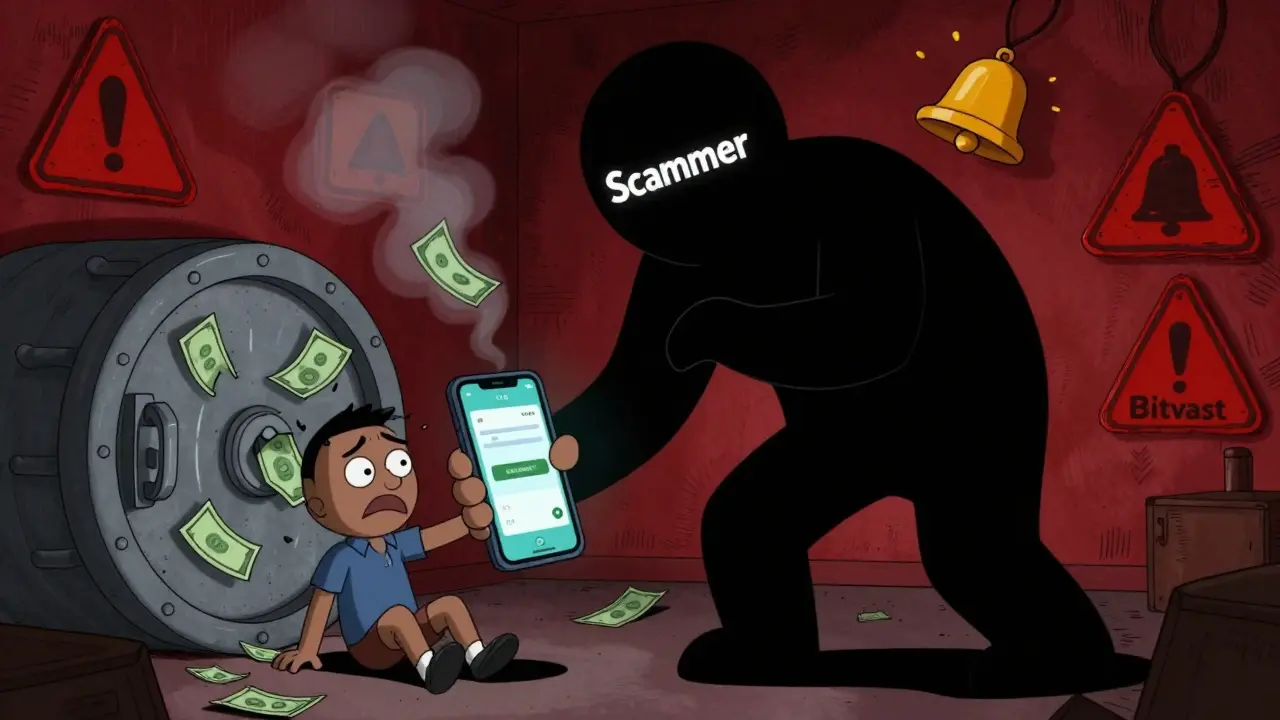
Comparing Bitvast to Active Alternatives
If you were drawn to Bitvast for its OTC capabilities or low fees, you need to know where else to go. The market has matured since 2018, and several competitors offer better transparency, security, and actual operational status. Let's compare what Bitvast *claimed* to offer against what active leaders provide today.
| Feature | Bitvast (Inactive) | LCX Exchange | Kraken | Coinbase |
|---|---|---|---|---|
| Status | Ceased Operations | Active | Active | Active |
| Primary Focus | OTC / Institutional | OTC / Institutional | Retail & Pro Trading | Retail & Enterprise |
| Founded | 2018 | 2018 | 2011 | 2012 |
| Regulatory Transparency | Unclear / Unverified | d>High (Liechtenstein)High (US/EU) | Very High (US Public) | |
| Fee Structure | Claimed "Lowest" (Unverified) | Negotiated OTC Rates | Transparent Taker/Maker | Standard Market Rates |
| User Support | Non-existent | Dedicated Desk | 24/7 Live Chat | 24/7 Support |
Notice that LCX Exchange, also founded in 2018, is still operating. Based in Liechtenstein, LCX focuses heavily on compliance and institutional clients, much like Bitvast originally intended. However, LCX maintains active communication, clear licensing, and a functioning OTC desk. This shows that the business model isn't flawed-Bitvast's execution was.
For smaller traders who don't need full OTC services, Kraken and Coinbase remain the gold standards for security and ease of use. Kraken, established in 2011, has survived multiple bear markets and regulatory crackdowns by prioritizing audits and transparent reserve proofs. Coinbase, as a publicly traded company, is required to disclose financial health regularly, offering a level of accountability that private, silent exchanges like Bitvast never provided.
What Should You Do If You Have Funds on Bitvast?
This is the most critical section for anyone who might have ignored earlier warnings. If you see a balance on your Bitvast account, here is the harsh reality check: those numbers are likely not accessible.
First, attempt to contact support through every channel listed on their website. Email, live chat, social media handles. Document everything. Take screenshots of your account balance, transaction history, and any error messages you receive when trying to withdraw. This documentation is crucial if you ever decide to pursue legal action, though recovery odds are slim.
Second, do not deposit more money hoping to "unlock" your account. Scammers often exploit this desperation. If someone contacts you claiming to be Bitvast support asking for a "security fee" to release your funds, it is a secondary scam. Legitimate exchanges deduct fees from existing balances; they never ask for external payments to unlock withdrawals.
Third, consider reporting the incident to relevant authorities. Since Bitvast was based in South Africa and claimed US/HK presence, you can file complaints with local consumer protection agencies or financial regulators in your jurisdiction. While this won't get your money back quickly, it helps build a case that may prevent others from falling victim.
How to Spot Dead Exchanges Before You Deposit
Learning from Bitvast's collapse can save you thousands. Here is a checklist to evaluate any crypto exchange before you trust it with your capital:
- Check Recent News: Search for the exchange name + "scam," "shutdown," or "complaint." If the latest news is from two years ago, that's a bad sign.
- Verify Licenses: Don't just look at their "About Us" page. Go to the regulator's website (like the SEC in the US or FCA in the UK) and search their database. If they claim a license but aren't listed, run away.
- Test Small Withdrawals: Never deposit your entire portfolio at once. Start with $10. Deposit, trade, and then withdraw. If the withdrawal gets stuck or delayed indefinitely, close the account immediately.
- Look for Proof of Reserves: Reputable exchanges publish monthly proof of reserves, showing they actually hold the assets they say they do. Bitvast never provided auditable proof.
- Community Sentiment: Check Reddit, Twitter, and Trustpilot. Are people talking about recent trades? Or are they complaining about missing funds? Real-time sentiment is your best early warning system.
The crypto industry is still young, and unfortunately, it attracts opportunists. Platforms like Bitvast rise with hype and fall with silence. By sticking to established, transparent players, you protect yourself from becoming a statistic in another failed exchange story.
Conclusion: Move On From Bitvast
Bitvast served as a cautionary tale of what happens when marketing outpaces operational reality. Founded in 2018 with grand ambitions, it failed to maintain the trust, transparency, and technical stability required to survive in the volatile crypto market. As of June 2026, it is effectively dead.
Your priority should be securing your assets elsewhere. Transfer any remaining holdings from other risky platforms to cold storage wallets or highly regulated exchanges. The peace of mind knowing your Bitcoin is safe is worth far more than chasing phantom low fees on a ghost platform. Stay vigilant, verify everything, and keep your keys, keep your crypto.
Is Bitvast still operational in 2026?
No. According to independent reviews and lack of activity, Bitvast has effectively ceased operations. There is no official bankruptcy filing, but the platform does not process trades or respond to users.
Can I withdraw my funds from Bitvast?
It is highly unlikely. With no active support team or operational infrastructure, withdrawal requests are not being processed. Any funds shown in your account are likely inaccessible.
Where was Bitvast headquartered?
Bitvast was founded and based in South Africa. It also claimed to have banking partnerships and operational footprints in Hong Kong and the United States, though these were never independently verified.
What is an OTC crypto exchange?
An Over-The-Counter (OTC) exchange allows large investors to buy or sell significant amounts of cryptocurrency directly with a counterparty, avoiding the public order book. This prevents slippage and keeps large trades discreet. Bitvast specialized in this niche.
Are there safer alternatives to Bitvast?
Yes. For OTC trading, LCX Exchange is a reputable alternative. For general retail trading, Kraken, Coinbase, and Binance offer robust security, regulatory compliance, and active customer support.
Why did Bitvast shut down?
There is no official reason provided. The lack of communication suggests either insolvency, abandonment by founders, or severe regulatory pressure. The absence of a formal announcement makes the exact cause unclear, but the result is the same: the platform is closed.