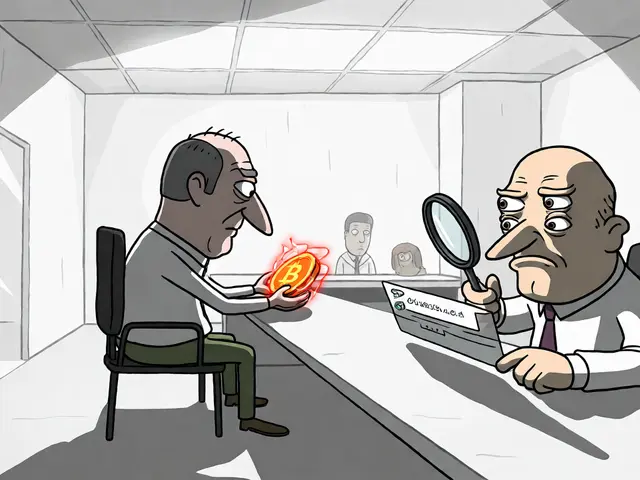
Imagine trying to launch a cryptocurrency exchange in Tokyo. You have the tech, the team, and the capital. But before you can trade a single Bitcoin, you face a regulatory maze that has shut down more than half of the applicants since 2017. This isn't just red tape; it's one of the strictest crypto licensing frameworks in the world. If you are an operator eyeing the Japanese market, or an investor wondering why your favorite altcoin takes months to appear on local platforms, understanding this system is non-negotiable.
The core problem for many global exchanges is underestimating the depth of compliance required. It’s not enough to just be secure. You need to fit into a dual-layer system involving the Financial Services Agency (FSA) and the Japan Virtual Currency Exchange Association (JVCEA). With over 12 million registered crypto accounts in Japan as of early 2025, the stakes are high. The recent shift from the Payment Services Act (PSA) to the Financial Instruments and Exchange Act (FIEA) changes everything for how assets are classified and taxed. Here is what you actually need to know to survive and thrive in this regulated ecosystem.
The Big Shift: From PSA to FIEA
For years, Japan operated under the Payment Services Act, which treated cryptocurrencies primarily as payment methods. That era is ending. On September 2, 2025, the FSA announced a landmark move to bring crypto oversight under the Financial Instruments and Exchange Act (FIEA). Why does this matter? Because it redefines crypto assets based on their economic function rather than just their utility as currency.
This transition aims to harmonize rules with traditional securities. Previously, there was an artificial split between "payment tokens" and "security tokens." Now, if a token functions like an investment, it faces full securities regulation. This creates clarity but also raises the bar for compliance. For exchanges, this means your legal structure must adapt. You aren't just handling payments anymore; you might be managing investment products. The FSA argues this protects investors from fraud, which has been a persistent issue despite Japan's reputation for safety.
| Feature | Payment Services Act (Old) | Financial Instruments and Exchange Act (New) |
|---|---|---|
| Primary Focus | Payment mechanism and user protection | Investment product and market integrity |
| Asset Classification | Virtual Currency | Electronic Record Transfer Rights / Securities-like |
| Regulatory Body | FSA (Direct) | FSA + Securities Exchanges |
| Impact on Leverage | Strict caps (2x max) | Potential adjustment based on asset type |
Who Gets a License? The 21 Survivors
Getting a license in Japan is brutal. Since the framework began in 2017, 38 exchanges applied. Only 21 hold active licenses as of mid-2025. Seventeen had their registrations canceled due to non-compliance. This high failure rate filters out undercapitalized operators quickly.
To qualify, you must form a kabushiki-kaisha (joint-stock company) with a physical office in Japan. You cannot run this remotely. A resident manager must bear personal responsibility for compliance. If things go wrong, they are personally liable. This requirement alone scares off many foreign entities used to lighter-touch jurisdictions.
The financial barrier is equally steep. You need a minimum capital of 10 million yen (approx. USD 68,000), but that’s just the entry fee. Realistically, achieving full compliance costs between USD 500,000 and USD 1 million. Most of this goes toward security infrastructure and legal audits. The process takes 18 to 24 months. If you don’t have deep pockets and patience, you won’t make it through the door.
The Cold Storage Mandate and Security Standards
Why did Coincheck lose $534 million in 2018? Hot wallets. The hack exposed vulnerabilities in keeping large amounts of digital assets online. In response, the FSA mandated that exchanges keep at least 95% of user assets in offline cold storage. This rule is non-negotiable.
It’s not just about where the money sits. Your technical infrastructure must withstand massive attacks. Exchanges need DDoS protection capable of handling traffic spikes exceeding 1 Tbps. Multi-signature wallet systems are standard, requiring multiple private keys to authorize transactions. Monitoring teams must respond to security incidents within 15 minutes, 24/7.
Critics argue this creates inefficiency. Bank of Japan reports suggest these rigid requirements limit capital efficiency. However, consumer trust remains high. An FSA survey found that 87% of users feel secure using licensed exchanges, compared to only 63% in unregulated markets. For retail investors, safety trumps speed.

The JVCEA Gatekeeper: Token Listings
Even if you have a license, you can’t list every coin you want. Enter the Japan Virtual Currency Exchange Association (JVCEA). This self-regulatory body enforces standards stricter than the government’s minimums. Eighteen of the 21 licensed exchanges belong to the JVCEA.
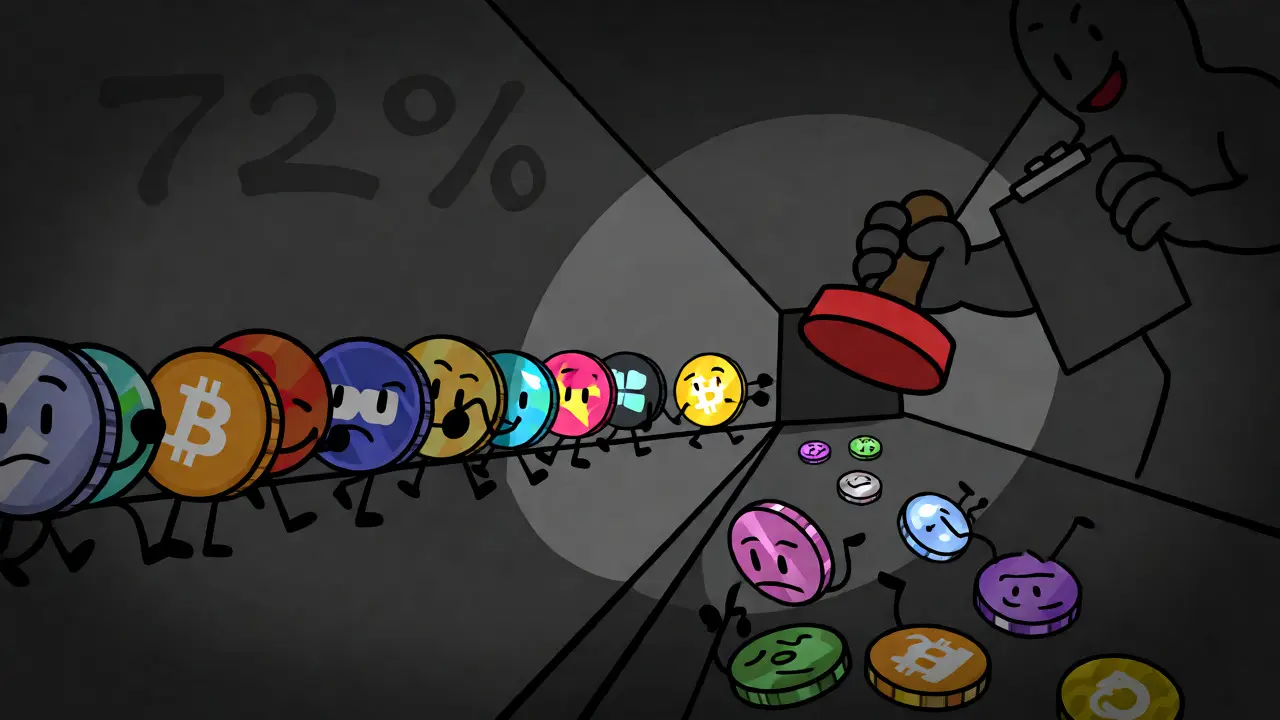
The JVCEA’s Token Listing Committee reviews every new asset. They rejected 72% of applications in Q2 2025. Why so many rejections? They look for clear whitepapers, smart contract audits by certified firms, and plans to prevent market manipulation. Meme coins often struggle here unless they show genuine utility or community stability.
This gatekeeping slows innovation. Global trends might see a token surge in popularity overnight, but in Japan, it could take months to get approved. Traders complain about missing out on trending assets. Yet, this slowness ensures that listed tokens meet basic quality thresholds, reducing the risk of rug pulls and pump-and-dump schemes common in less regulated zones.
Leverage Restrictions and Trading Limits
If you’re a day trader, Japan might feel restrictive. The FSA capped leverage at 2x in 2023, down from 4x previously. Compare this to Dubai, where leverage can reach 100x, and you see the competitive disadvantage. Professional traders estimate a 15% decline in active day traders on Japanese platforms following these cuts.
The rationale is simple: reduce systemic risk. High leverage amplifies losses during volatility. By limiting it, the FSA protects retail investors from blowing up their accounts in hours. While pros grumble, the average user benefits from a more stable trading environment. There is no margin call panic when the market dips 10%.
Banking Hurdles and Fiat On-Ramps
You can have all the licenses in the world, but without bank relationships, you’re stuck. Only 8% of Japanese banks currently service crypto exchanges. Banks are cautious due to anti-money laundering (AML) risks and reputational concerns.
Exchanges must prove robust AML systems capable of processing over 10,000 transactions per second. They need customer identification procedures that meet FATF standards. Building trust with major banks like Mitsubishi UFJ or Sumitomo Mitsui takes time. Some exchanges partner with fintech providers to bridge this gap, but direct fiat on-ramps remain a bottleneck for growth.
Practical Checklist for Applicants
Before applying, ensure you check these boxes:
- Corporate Structure: Establish a Japanese joint-stock company with a local branch.
- Resident Manager: Hire a qualified individual willing to accept personal liability.
- Capital Reserve: Secure well above the 10 million yen minimum to cover operational costs.
- Security Audit: Conduct third-party audits for both code and internal controls.
- Cold Storage Plan: Demonstrate capability to keep 95% of assets offline.
- Shadow Operation: Be prepared for a 6-month trial period simulating live trades.
What’s Next: The ECISB Framework
The regulatory landscape continues to evolve. The Amendment Act 2025 introduces the Electronic Payment Instrument and Crypto-asset Intermediary Service Business (ECISB) framework. This will require exchanges to notify the FSA before adding new services. It also opens the door for megabanks to enter the crypto space directly, potentially bringing massive liquidity and trust to the market.
By March 2026, Japan aims to fully implement the unified framework. This positions the country as a leader in balancing innovation with protection. For global operators, the message is clear: Japan rewards those who prioritize compliance and long-term stability over quick profits.
How long does it take to get a crypto exchange license in Japan?
The process typically takes 18 to 24 months. This includes application review, a mandatory 6-month shadow operation period, and final approval by the FSA.
Can foreign companies operate crypto exchanges in Japan?
Yes, but they must establish a local entity (kabushiki-kaisha) with a physical office and a resident manager who is legally responsible for compliance.
Why are so many token listings rejected by the JVCEA?
The JVCEA rejects projects lacking clear utility, proper smart contract audits, or mechanisms to prevent market manipulation. Approximately 72% of applications were rejected in Q2 2025.
What is the maximum leverage allowed on Japanese crypto exchanges?
Leverage is capped at 2x for most retail trading activities. This restriction was tightened from 4x in 2023 to reduce risk for individual investors.
Do I need to pay taxes differently under the new FIEA rules?
Tax treatment depends on whether the asset is classified as a payment method or a security. The transition to FIEA may align crypto gains more closely with traditional capital gains tax structures, though specific guidelines are still being finalized.