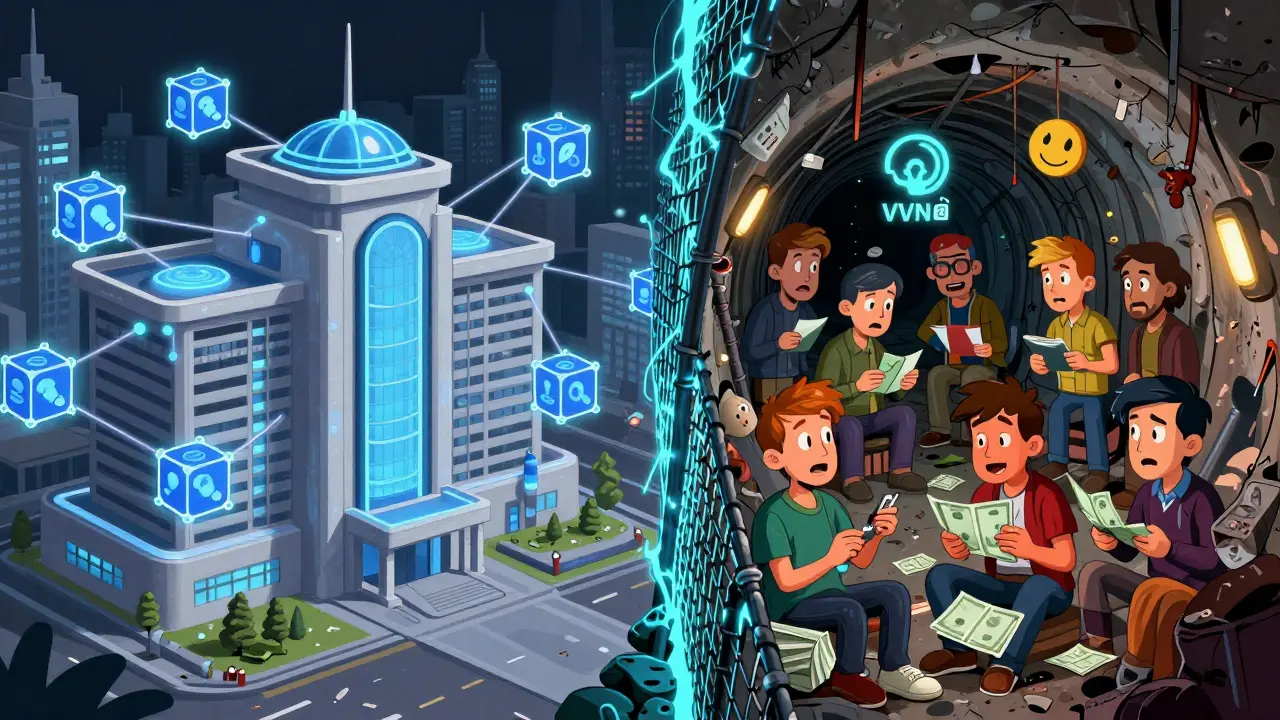
The year is 2026, and if you are trying to buy Bitcoin or trade Ethereum in Tunisia, you will quickly realize that the official path does not exist. There are no licensed exchanges, no bank transfers for crypto purchases, and certainly no government-approved apps on your phone. Instead, a vibrant, shadow economy thrives in the gaps of strict regulation. This is the world of underground crypto trading, which operates through peer-to-peer networks and circumvention tools despite legal prohibitions in Tunisia. It is a high-stakes game where tech-savvy traders navigate severe legal risks to access global financial markets.
This situation did not happen overnight. For years, Tunisia maintained a complete ban on cryptocurrency transactions, enforced by the Central Bank of Tunisia (BCT) since May 2018. The law is clear: any use of virtual currencies for payment or exchange is prohibited. Yet, prohibition has not stopped adoption; it has simply pushed it underground. Today, thousands of Tunisians engage in daily trades using sophisticated methods to bypass internet filters and banking restrictions.
How the Underground Market Operates
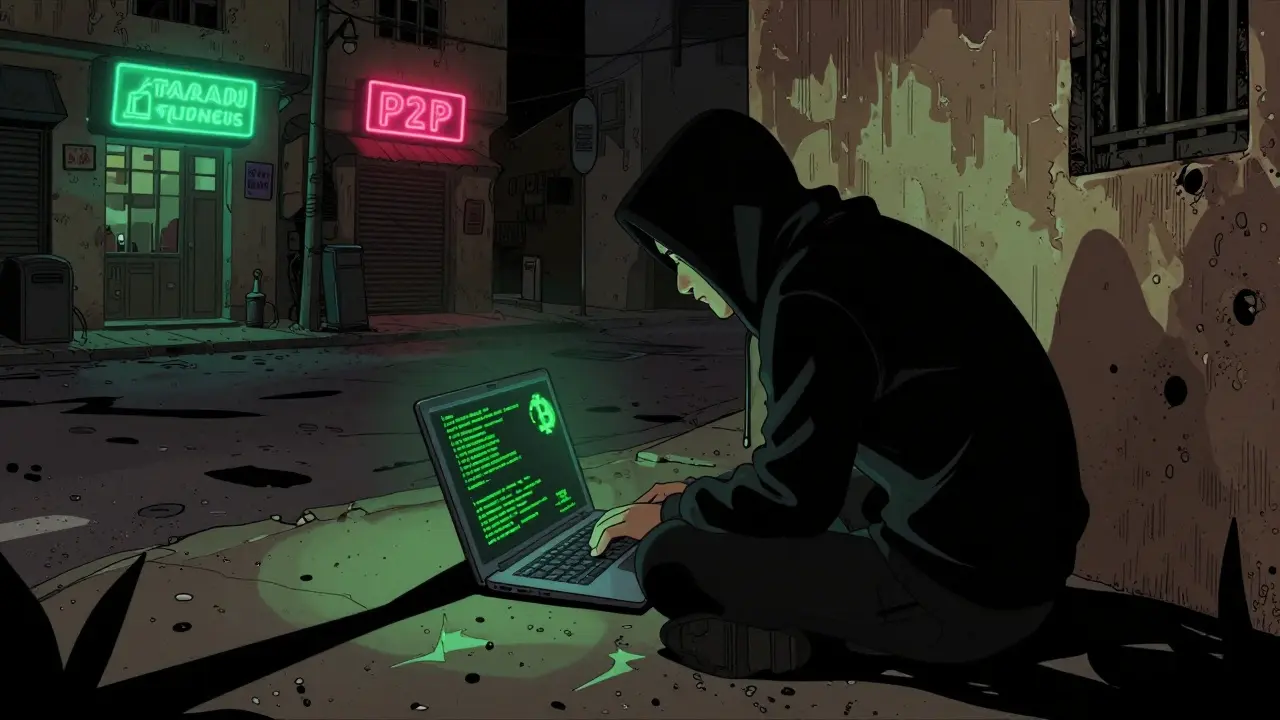
Since centralized exchanges like Coinbase or Binance.com cannot legally operate within Tunisia’s borders, traders rely entirely on decentralized channels. The backbone of this ecosystem is Peer-to-Peer (P2P) trading. Platforms such as Binance P2P and formerly LocalBitcoins have become the de facto stock exchanges for Tunisian crypto users. On these platforms, individuals act as both buyers and sellers, negotiating prices directly without an intermediary holding funds.
But how do they connect? The answer lies in digital anonymity. Most underground traders use Virtual Private Networks (VPNs) to mask their IP addresses and bypass government internet restrictions that often block access to crypto-related websites. Without a VPN, accessing even informational sites about blockchain technology can trigger monitoring systems. Traders also utilize international exchanges like KuCoin, OKX, and Gate.io, which offer advanced trading tools and lower fees than local alternatives-though none exist locally.
The most popular assets in this underground market are Bitcoin, Ethereum, and USDT (Tether). USDT is particularly favored because it offers stability against the volatility of other cryptocurrencies and the fluctuating value of the Tunisian Dinar. Many traders view USDT as a digital dollar, allowing them to preserve wealth outside the traditional banking system.
The Banking Blockade and Cash Workarounds
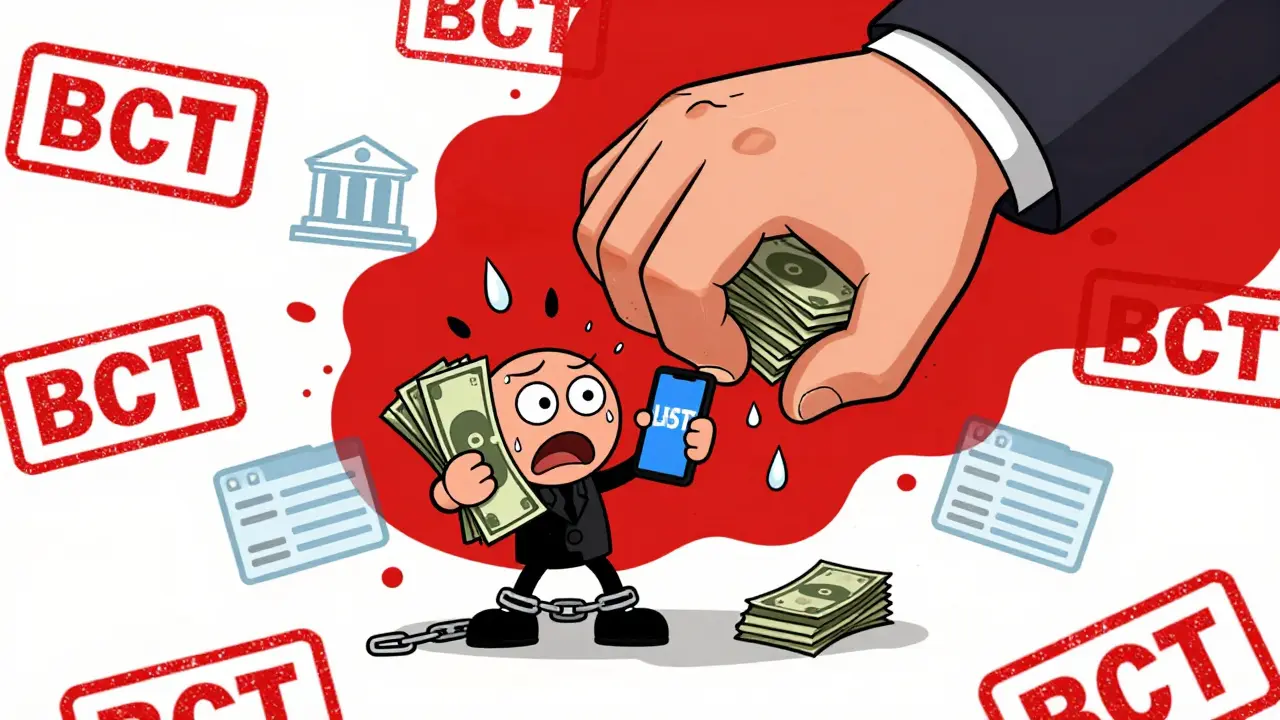
The biggest hurdle for any trader in Tunisia is not buying crypto-it is converting it back into fiat currency. Tunisian banks automatically flag and block any transaction linked to cryptocurrency activities. If you try to withdraw money from a P2P sale into your bank account, the system will likely freeze the transfer, and potentially your entire account.
This creates a unique challenge: how do you get cash out? Traders have developed creative workarounds. Common methods include:
- Cash-on-Delivery (COD): Meeting in person to exchange physical cash for crypto transfers.
- Mobile Money Services: Using informal mobile payment channels that lack direct integration with central banking surveillance.
- Third-Party Intermediaries: Using friends or family members abroad to receive funds and send them back via hawala-like informal value transfer systems.
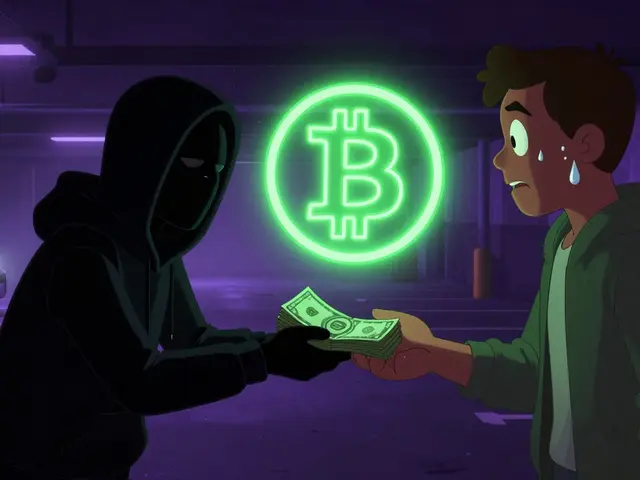
These methods are risky. They rely heavily on trust between strangers, leading to frequent scams. A buyer might send crypto but never show up with the cash, or a seller might take the cash and refuse to release the digital assets. Because there is no legal recourse, victims of fraud have nowhere to turn.
Legal Risks and Real Consequences
You cannot discuss underground trading without addressing the legal dangers. In Tunisia, cryptocurrency is not just unregulated; it is illegal. The legal framework categorizes crypto as completely prohibited for public use. This means that engaging in trading can lead to criminal prosecution.
We have seen real consequences. In 2021, a teenager was jailed for operating an unofficial crypto exchange service. This case sent shockwaves through the community and prompted cabinet-level discussions about decriminalization. While no mass arrests occur daily, the threat is constant. Banks monitor accounts for suspicious activity, and the Tunisian Financial Analysis Committee (CTAF) requires financial institutions to report unusual transactions within 10 days.
If your account is frozen due to suspected crypto involvement, you face not only financial loss but also potential imprisonment. The severity stems from Tunisia’s adherence to Islamic finance principles and existing banking laws that prohibit speculative instruments deemed risky or non-compliant with Sharia guidelines.
The Paradox of State Innovation
Here is the irony: while citizens are prosecuted for using Bitcoin, the state is actively exploring blockchain technology. The Tunisian postal service, Poste Tunisienne, has been working on blockchain-based payment systems. Meanwhile, the Central Bank is researching Central Bank Digital Currencies (CBDCs).
This creates a confusing regulatory environment. The government wants the efficiency and transparency of blockchain for state operations but rejects the decentralization and anonymity that make cryptocurrencies attractive to individuals. Local tech firms continue to develop DeFi (Decentralized Finance) and NFT projects, often focusing on applications like supply chain management or secure voting systems that do not directly contravene laws against monetary speculation.
This dichotomy highlights a growing tension. The state recognizes the technological potential but fears the loss of monetary control. As long as this contradiction exists, the underground market will remain active, driven by those who want financial freedom regardless of legal status.
Economic Impact: Brain Drain and Opportunity Loss
The ban has had unintended economic consequences. One of the most significant is brain drain. Many Tunisian entrepreneurs, developers, and tech enthusiasts have migrated their operations to more crypto-friendly countries like Canada, Switzerland, or Estonia. These nations offer legal frameworks that protect investors and promote innovation.
When these skilled workers leave, Tunisia loses out on high-tech contributions, tax revenue, and job creation. The underground market deprives the state of oversight capabilities and potential tax income. Instead of regulating and taxing crypto transactions, the government chases shadows, losing billions in potential revenue while its citizens find ways around the rules.
Some residents have adapted by focusing on blockchain technology beyond cryptocurrencies. They build software solutions for logistics, healthcare, and education, sectors where blockchain adds value without violating monetary laws. However, the stigma associated with crypto still affects hiring and investment opportunities for many young professionals.
Future Outlook: Will Regulations Change?
As of mid-2026, signs suggest a shift may be coming. Parliamentary committees are considering a draft bill to decriminalize cryptocurrency possession and create a licensing regime. This would mark a historic change from total prohibition to regulated acceptance.
The Central Bank has shown cautious progress by considering fintech licenses and advancing CBDC research. Recent discussions indicate that peer-to-peer trading regulations may emerge, allowing controlled access to crypto markets under strict Anti-Money Laundering (AML) and Know Your Customer (KYC) requirements.
However, timelines remain uncertain. Enforcement continues strictly in the meantime. Traders must weigh the risk of waiting for legalization against the immediate benefits of participating in the underground market. Global pressure for financial inclusion and the success of crypto adoption in neighboring regions may accelerate policy changes, but no guarantees exist.
| Aspect | Underground Trading | Hypothetical Regulated Market |
|---|---|---|
| Legality | Illegal, criminal penalties possible | Legal, compliant with BCT rules |
| Access Method | P2P platforms, VPNs, cash deals | Licensed exchanges, bank integrations |
| Risk Level | High (scams, arrest, account freezes) | Low (consumer protection, dispute resolution) |
| Fees | Variable, often higher due to risk premium | Standardized, transparent fees |
| Taxation | No taxes paid, hidden from authorities | Taxes required, reported to CTAF |
Practical Advice for Those Involved
If you are currently engaged in underground crypto trading in Tunisia, understand that you are operating in a gray zone with real dangers. Here are some practical steps to minimize risk:
- Use Reputable P2P Platforms: Stick to well-known platforms like Binance P2P with escrow services. Avoid private Telegram groups or WhatsApp chats where scams are rampant.
- Verify Counterparties: Check user ratings and trade history before engaging. Never rush a transaction.
- Keep Records: Save all communication logs and transaction hashes. While they won’t protect you legally, they help resolve disputes on platforms.
- Avoid Large Transfers: Break down large amounts into smaller trades to avoid triggering bank alerts.
- Stay Informed: Follow updates from parliamentary committees and the Central Bank. Regulatory shifts could change the landscape overnight.
Remember, no method is foolproof. The safest option remains waiting for legal clarity, though patience is difficult when opportunities arise daily.
Is it legal to own cryptocurrency in Tunisia?
No. Owning, trading, or using cryptocurrency is illegal under current Tunisian law. The Central Bank of Tunisia banned all crypto transactions in 2018, and possession can lead to legal action, including fines or imprisonment.
Can I use Binance in Tunisia?
Technically, yes, but illegally. Binance P2P is widely used by Tunisian traders, but accessing it requires a VPN to bypass internet blocks. Using Binance violates local regulations and carries legal risks.
What happens if my bank account is frozen due to crypto?
If your account is flagged for crypto-related activity, it may be frozen pending investigation. You could face legal proceedings, asset seizure, or criminal charges depending on the scale of transactions.
Are there any licensed crypto exchanges in Tunisia?
No. As of 2026, no cryptocurrency exchanges are licensed to operate within Tunisia. All trading occurs through underground P2P networks or foreign platforms accessed via circumvention tools.
Will Tunisia legalize cryptocurrency soon?
Parliamentary committees are discussing decriminalization and licensing regimes, but no timeline is confirmed. Changes depend on political will and alignment with Islamic finance principles. Current enforcement remains strict.
Why does the government ban crypto but explore blockchain?
The government sees blockchain as useful for state efficiency (e.g., Poste Tunisienne payments) but views decentralized cryptocurrencies as threats to monetary sovereignty and financial stability. They want control without competition.
What is the safest way to trade crypto in Tunisia?
There is no safe way legally. To reduce risk, use reputable P2P platforms with escrow, verify counterparties thoroughly, keep small transaction sizes, and maintain detailed records. Always assume you are being monitored.
Can I convert crypto to Tunisian Dinars easily?
Not easily. Banks block crypto withdrawals. Traders use cash meetups, mobile money, or third-party intermediaries. These methods carry high scam risks and offer no legal protection.