Imagine logging into your crypto account to check your balance, only to find a blank screen. No error message. No maintenance notice. Just silence. That is exactly what happened to users of Kryptono, a cryptocurrency exchange that launched with high hopes but ended in abrupt disappearance. If you are reading this because you found an old link, heard the name from a friend, or still have funds stuck there, I need to be direct: Kryptono is no longer operational. The platform ceased activity years ago, and accessing it now poses significant risks.
In the world of digital assets, trust is everything. When an exchange vanishes without explanation, it leaves behind a trail of confused investors and lost capital. This review isn't just about looking back at what went wrong; it's about understanding how to spot red flags before they become disasters. We will look at Kryptono's history, why it failed, and more importantly, where you should put your money today in 2026 to keep it safe.
The Rise and Fall of Kryptono
To understand why Kryptono failed, we have to look at its origins. Launched in June 2018, Kryptono positioned itself as a medium-sized trading platform based in Singapore. At the time, Singapore was becoming a global hub for blockchain innovation, attracting startups with its relatively friendly regulatory environment. The team behind Kryptono claimed impressive credentials, listing alumni from prestigious universities like Harvard, Stanford, MIT, and Yale. They boasted expertise in cryptography, machine learning, and finance.
On paper, it sounded solid. But there were early warning signs that industry observers noticed. For one, the name "Kryptono" has a phonetic problem. When you say it out loud, it sounds suspiciously like "Crypto? No." In marketing, especially for a financial platform, messaging matters. A name that subconsciously signals rejection can undermine trust before a user even opens their wallet.
The exchange marketed itself as user-friendly, offering peer-to-peer (P2P) payment functionality and claiming easy access to assets. It explicitly targeted US investors, which was notable given the stricter regulatory scrutiny American traders face. However, despite these promises, the platform never achieved the scale or reputation of major competitors like Coinbase or Binance. It remained a niche player, often compared to other mid-tier Asian exchanges like Coinut.
The Disappearance: What Happened on November 11, 2021?
The defining moment for Kryptono occurred on November 11, 2021. On this date, the exchange's website became completely inaccessible. There was no prior announcement. No email notifications to users. No social media posts explaining a temporary outage. One day the site was up; the next, it was gone.
This sudden blackout triggered immediate alarm bells among crypto community members and monitoring databases. In the cryptocurrency industry, transparency is non-negotiable. Legitimate platforms may experience downtime due to technical issues or security audits, but they always communicate with their users. Silence is rarely accidental. Industry experts quickly classified Kryptono as "dead," meaning it had permanently ceased operations.
For users who had funds deposited on the platform, the situation was dire. Without a functioning website, customer support channels, or administrative contact, there was no way to initiate withdrawals or verify account balances. The lack of communication suggests that the operators either abandoned the project abruptly or faced insurmountable legal or financial hurdles. Regardless of the cause, the result was the same: users were locked out of their assets.
Red Flags: How to Spot a Problematic Exchange
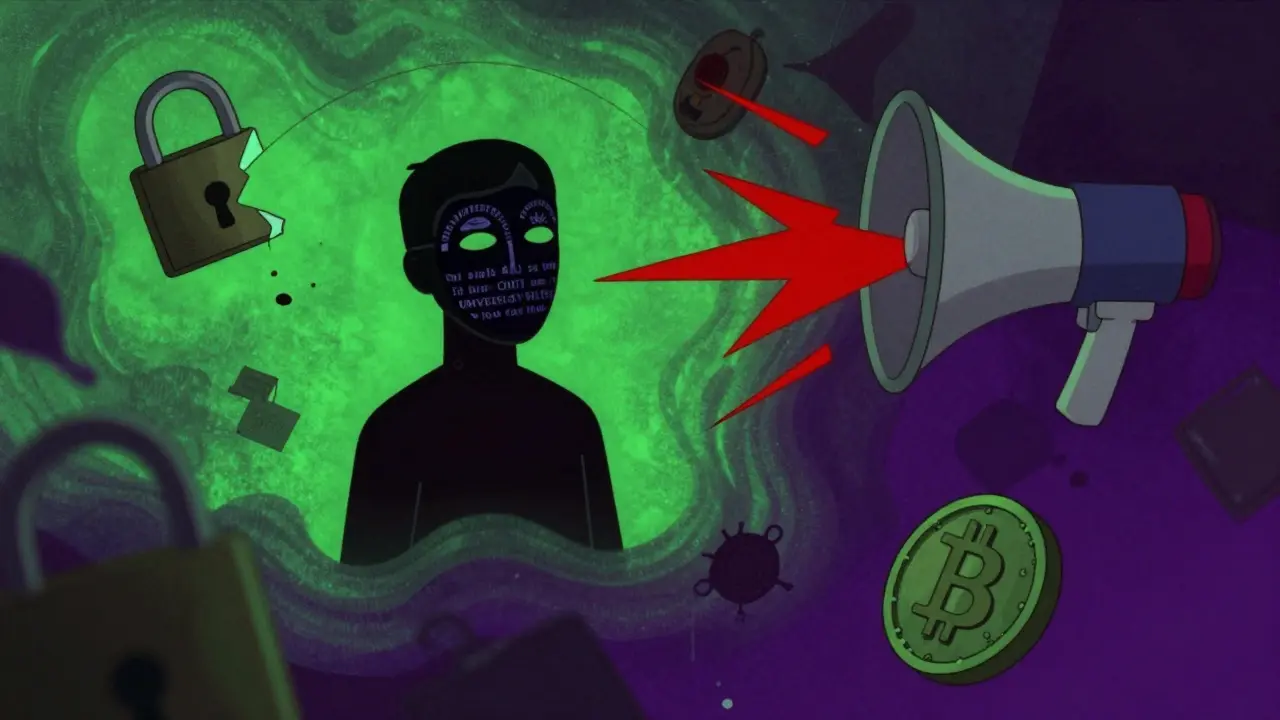
Kryptono's collapse serves as a cautionary tale. While we cannot know the exact internal reasons for its failure, several characteristics of the platform align with common red flags seen in fraudulent or poorly managed exchanges. Recognizing these signs can help you avoid similar traps in the future.
| Red Flag | Description | Why It Matters |
|---|---|---|
| Sudden Website Outage | Site becomes inaccessible without notice | Indicates potential abandonment or fraud |
| Lack of Regulatory Compliance | No clear licenses or regulatory filings | Users have no legal recourse if things go wrong |
| Vague Team Information | Claims elite backgrounds but no verifiable identities | Makes accountability impossible |
| Poor Communication | Unresponsive support during critical times | Shows disregard for user needs and safety |
| Aggressive Marketing | Overpromising returns or security | Often masks underlying operational weaknesses |
Kryptono hit several of these notes. The team's background claims were impressive but difficult to verify independently. The exchange operated in a gray area regarding US regulations, which added risk for American users. Most critically, the complete lack of communication during its shutdown violated basic standards of consumer protection. In contrast, legitimate exchanges prioritize transparency, even when delivering bad news.
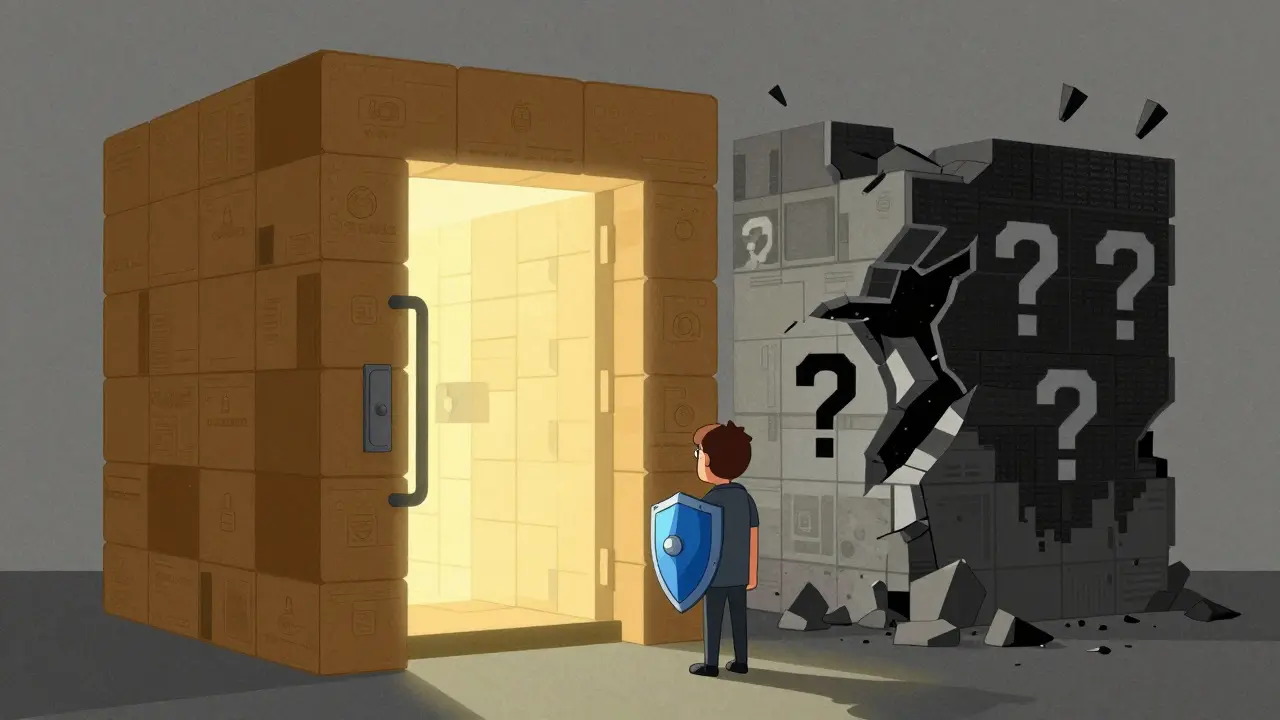
Where Should You Trade in 2026?
If you are looking for a safe place to trade cryptocurrencies, the landscape has changed significantly since 2021. Today's market is dominated by established, regulated platforms that have survived multiple bear markets and increased regulatory scrutiny. These exchanges offer robust security features, transparent fee structures, and reliable customer support.
Here are some of the most trusted options available in the United States as of 2026:
- Coinbase: Offers over 235 cryptocurrencies with fees ranging from 0% to 3.99%. Known for its ease of use and strong regulatory compliance.
- Kraken: Supports 350+ coins with competitive fees between 0% and 0.4%. Highly regarded for its security track record.
- Binance US: Provides access to 158 cryptocurrencies with fees from 0% to 0.6%. A regulated entity separate from the global Binance platform.
- Gemini: Focuses on simplicity and security, offering 73 cryptocurrencies with fees from 0.5% to 3.49%.
- Crypto.com: Features 313 cryptocurrencies and various financial products, with fees ranging from 0% to 2.99%.
These platforms invest heavily in cold storage solutions, two-factor authentication, and insurance coverage for user funds. They also maintain active communication channels, ensuring that users are informed about any changes or issues. When choosing an exchange, look for these hallmarks of legitimacy rather than being swayed by flashy marketing or unverified team credentials.
What If You Still Have Funds on Kryptono?
I know this is a painful topic for those affected. If you still have accounts or funds associated with Kryptono, the reality is harsh. Since the website has been inaccessible since 2021, there is no official channel to recover your assets. The operators have not provided any mechanism for withdrawal or restitution.
It is crucial to remain vigilant against secondary scams. Unfortunately, after an exchange collapses, scammers often target former users by posing as recovery agents or claiming to have insider information on fund retrieval. Never share your private keys, passwords, or personal details with anyone promising to help you retrieve lost crypto. Legitimate authorities do not operate this way.
Your best course of action is to accept the loss and move forward with heightened caution. Use this experience as a lesson in due diligence. Before depositing funds into any new platform, research its regulatory status, read independent reviews, and start with small amounts to test withdrawal processes. Protecting your assets begins with choosing partners who respect your security and transparency.
Is Kryptono still operating in 2026?
No, Kryptono ceased operations in November 2021. Its website has been inaccessible since then, and it is classified as a defunct exchange.
Can I recover my funds from Kryptono?
Unfortunately, there is no known way to recover funds from Kryptono. The platform disappeared without providing any withdrawal mechanisms or customer support channels.
Was Kryptono a scam?
While not officially labeled a scam by law enforcement, Kryptono exhibited many red flags associated with fraudulent operations, including sudden disappearance and lack of communication. Users should treat it with extreme caution.
What are the safest crypto exchanges for US users in 2026?
Top choices include Coinbase, Kraken, Binance US, Gemini, and Crypto.com. These platforms are regulated, secure, and have proven track records of reliability.
How can I avoid falling victim to a dead exchange?
Research the exchange's regulatory status, verify team identities, check for transparent fee structures, and ensure they have responsive customer support. Avoid platforms with vague information or aggressive marketing tactics.