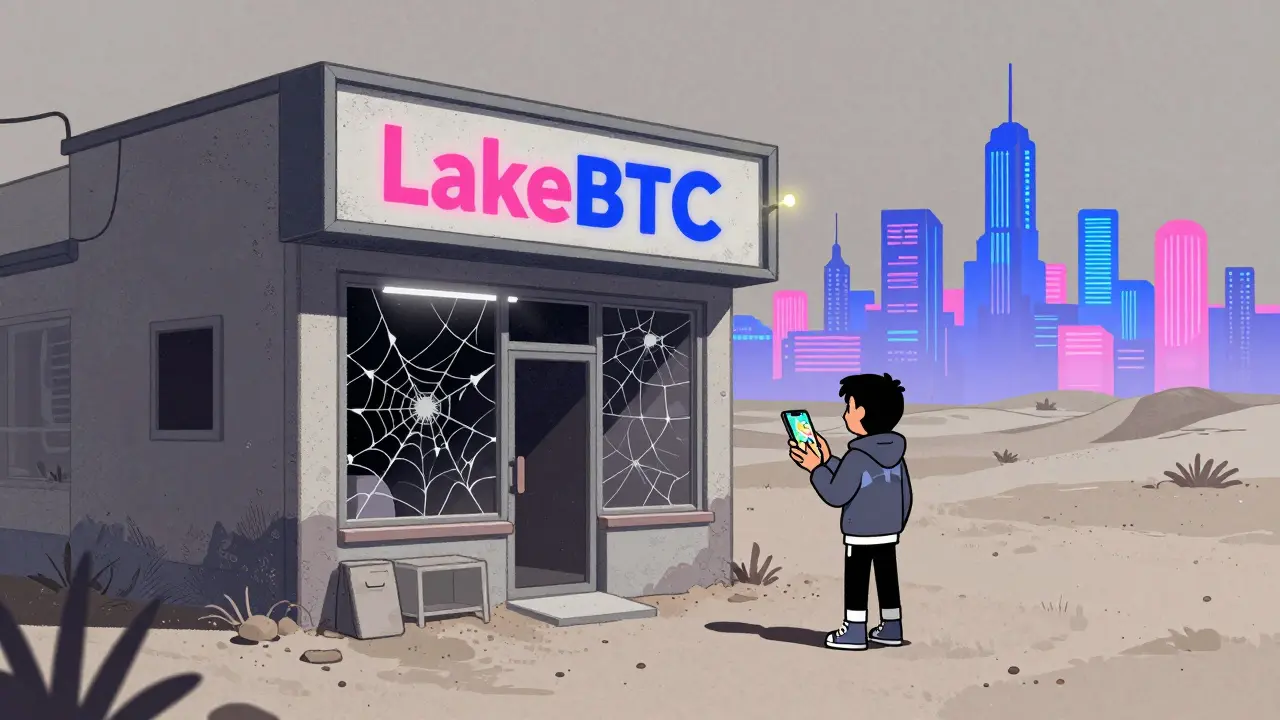
Remember when you could find a Bitcoin exchange that felt like a quiet neighborhood shop? That was LakeBTC in the early days. Founded in 2013, it carved out a niche as a peer-to-peer (P2P) platform primarily serving Asian markets. But fast forward to June 2026, and the landscape has shifted dramatically. You might be wondering if this veteran exchange is still worth your time or if it’s become a relic of a bygone era. The short answer? It’s complicated. While the site technically operates, the signs point to significant stagnation compared to modern competitors.
If you are looking for a high-speed, feature-rich trading experience with robust support, LakeBTC likely won’t meet your needs today. However, understanding its current state helps you avoid potential pitfalls. Let’s break down what LakeBTC actually offers now, where it falls short, and whether you should keep your funds there or move them elsewhere.
The Core Offering: A Shrinking Selection
When you sign up for an exchange, asset variety matters. You want options. LakeBTC currently supports only five cryptocurrencies: Bitcoin (BTC), Ethereum (ETH), Ripple (XRP), Bitcoin Cash (BCH), and Litecoin (LTC). Compare that to giants like Coinbase, which lists over 235 coins, or Kraken with more than 350. If you’re interested in altcoins, DeFi tokens, or new launches, LakeBTC simply doesn’t have them.
This limited selection reflects the platform’s age. In 2013, Bitcoin was king, and a few major caps were enough. Today, the market demands diversity. By sticking to just these five assets, LakeBTC restricts your ability to diversify your portfolio without hopping between multiple platforms. For a trader who wants to explore emerging trends, this is a major bottleneck.
Fees and Trading Costs: Competitive but Limited
Let’s talk money. Trading fees eat into profits, so every basis point counts. LakeBTC charges a maker fee of 0.15% and a taker fee of 0.20%. On paper, this looks decent. It’s slightly below the industry average of 0.25% cited in older analyses. For basic spot trading, you aren’t getting ripped off.
However, context is key. Competitors like Binance offer tiered structures that can drop fees to 0% for high-volume traders or those holding native tokens. Meanwhile, LakeBTC’s BTC withdrawal fee sits at a flat 0.001 BTC. Depending on Bitcoin’s price, that fixed cost can feel steep or negligible, but it lacks the flexibility of dynamic fee models seen elsewhere. Deposit methods include wire transfers and credit cards, though credit card deposits often come with higher hidden processing fees depending on your region.
| Exchange | Maker Fee | Taker Fee | Crypto Supported | Withdrawal Flexibility |
|---|---|---|---|---|
| LakeBTC | 0.15% | 0.20% | 5 | Fixed BTC fee |
| Binance | 0.10% (base) | 0.10% (base) | 350+ | Variable/Tiered |
| Kraken | 0.16% | 0.26% | 350+ | Competitive |
| Coinbase | Variable | Variable | 235+ | High |
Security and Reliability: Red Flags Are Flying
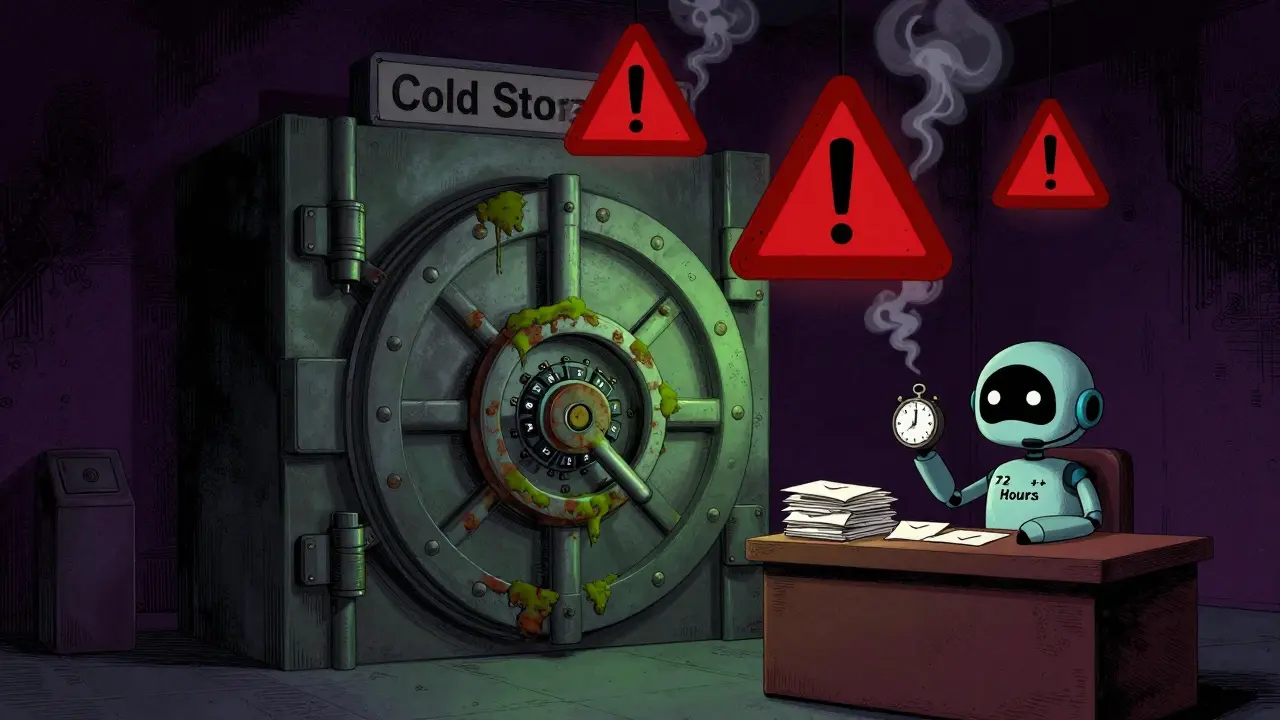
Security isn’t just about encryption; it’s about responsiveness. LakeBTC claims to store 95% of user funds in cold wallets and uses two-factor authentication (2FA) and SMS confirmations. These are standard, necessary features. But here’s the problem: silence screams louder than words in the crypto world.
Both the official LakeBTC and LakeTrader Twitter accounts haven’t posted since October 2017. Think about that. In an industry where news breaks by the minute, eight years of social media silence is alarming. It suggests minimal active development or community engagement. Furthermore, user reports from forums like Bitcointalk highlight serious withdrawal delays. Users have documented BTC withdrawals pending for over 30 days with no response from support. If you can’t get your money out when you need it, security measures matter less.
The platform also lacks phone and live chat support. Email-only assistance with reported response times exceeding 72 hours is unacceptable for a financial service. When things go wrong-and they do-you need immediate help. LakeBTC’s dated interface and lack of real-time communication channels make it a risky place for large holdings.
User Experience: Dated and Clunky
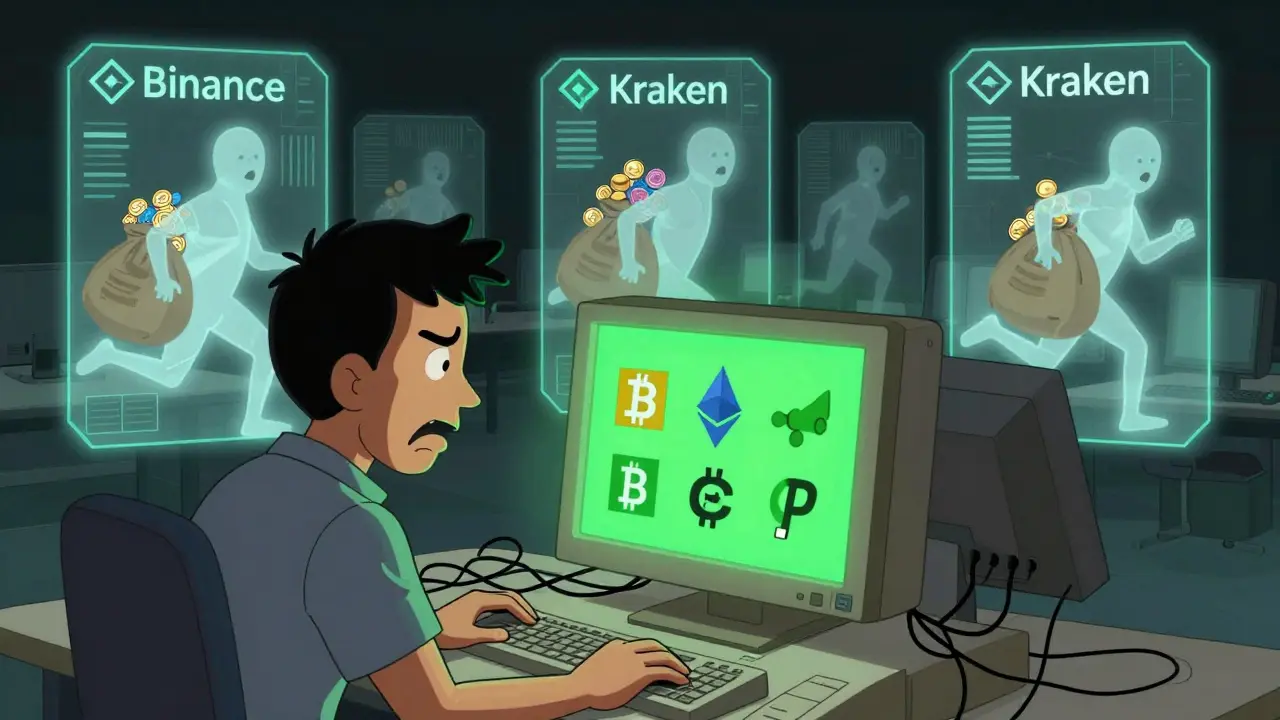
You log in, expecting a sleek dashboard. Instead, you find a UI that feels stuck in 2018. CaptainAltcoin noted in their reviews that the website functions seem "somewhat dated" and require significant UX updates. Registration requires basic KYC documentation, taking 24-48 hours for verification-a slow process compared to instant verifications on modern apps.
While the platform offers both basic and advanced trading interfaces, the friction in transaction processing creates frustration. New users report confusion, while experienced traders miss advanced order types available on competitors like Kraken. The OTC (Over-the-Counter) service interface is one bright spot, praised by some institutional traders for its design, but this benefit is overshadowed by the overall clunkiness of the retail experience.
Market Position: Fading Into Obscurity
LakeBTC once positioned itself as one of the "Big Four" exchanges. Today, it doesn’t even rank in the top 25 globally according to recent Koinly rankings. Its 24-hour trading volume hovers around $4.5 million-a drop in the bucket compared to Binance’s billions. This consolidation means liquidity is thinner. Lower liquidity can lead to wider spreads and slippage, costing you more on every trade.
Regulatory pressures have also hit hard. After China’s 2017 ban, many exchanges adapted or exited. LakeBTC survived but didn’t thrive. Without active regulatory compliance frameworks in Western markets, it remains isolated from global growth opportunities. Analysts project that exchanges without clear development roadmaps face a high probability of market exit within three years. LakeBTC fits this profile uncomfortably well.
Who Should Avoid LakeBTC?
If you fall into any of these categories, look elsewhere:
- Active Traders: You need low latency, deep liquidity, and diverse assets.
- Novices Seeking Support: You’ll struggle with email-only help and a confusing interface.
- Diversifiers: Five coins aren’t enough to build a balanced portfolio.
- Risk-Averse Investors: Withdrawal delays and social media silence signal operational instability.
Alternatives Worth Considering
Don’t settle for outdated tech. Here are better options based on your needs:
- For Beginners: Coinbase offers a user-friendly app, strong regulatory compliance, and easy fiat on-ramps.
- For Advanced Traders: Kraken provides superior tools, lower fees for high volumes, and excellent customer support.
- For Maximum Variety: Binance dominates with hundreds of coins, derivatives, and competitive fees.
Moving your funds takes effort, but it pays off in peace of mind. Check your withdrawal limits, verify your identity on the new platform, and transfer gradually to ensure smooth processing.
Is LakeBTC still operating in 2026?
Yes, LakeBTC appears to still be online, but its activity is minimal. Social media accounts have been inactive since 2017, and user reports indicate significant delays in withdrawals and customer support responses.
What cryptocurrencies can I trade on LakeBTC?
LakeBTC supports only five cryptocurrencies: Bitcoin (BTC), Ethereum (ETH), Ripple (XRP), Bitcoin Cash (BCH), and Litecoin (LTC). This is significantly fewer than most major exchanges.
How much does it cost to withdraw Bitcoin from LakeBTC?
The BTC withdrawal fee is a flat 0.001 BTC. There are no tiered discounts based on volume, unlike some competitors.
Does LakeBTC have customer support?
LakeBTC only offers email support. There is no live chat or phone assistance. Users have reported response times exceeding 72 hours, which can be problematic during urgent situations.
Is LakeBTC safe for storing large amounts of crypto?
While LakeBTC claims to use cold storage for 95% of funds, the lack of transparency, inactive social presence, and reported withdrawal issues make it a high-risk option for large holdings. Consider using more established exchanges with proven track records.