
Losing your seed phrase is the crypto equivalent of losing the keys to a vault and then watching that vault be dropped into the middle of the ocean. There is no "forgot password" button in the world of self-custody. In fact, estimates show that nearly 20% of all Bitcoin-roughly $20 billion-is gone forever because people lost their private keys. This terrifying risk is exactly why Social Recovery and Account Abstraction the process of separating control of user funds from smart contract execution are changing the game. Instead of relying on a 12-word scrap of paper, you can now rely on a circle of trusted friends or professional services to get you back into your account.
The Problem with the "Old Way"
For years, we've used Externally Owned Accounts (EOAs). An EOA is a simple pair of public and private keys. If you have the key, you have the money. If you lose the key, the money is dead. This creates a massive psychological barrier for anyone who isn't a hardcore tech enthusiast. Most people aren't comfortable storing a mnemonic phrase in a safe or a password manager, and many store them insecurely on phone notes or emails, making them easy targets for hackers.
This is where Account Abstraction a programmable architecture that replaces simple key-pairs with smart contract-based wallets steps in. By turning your wallet into a smart contract, your account becomes programmable. You can set rules for how funds are spent and, more importantly, how the account is recovered if you lose your access.
How Social Recovery Actually Works
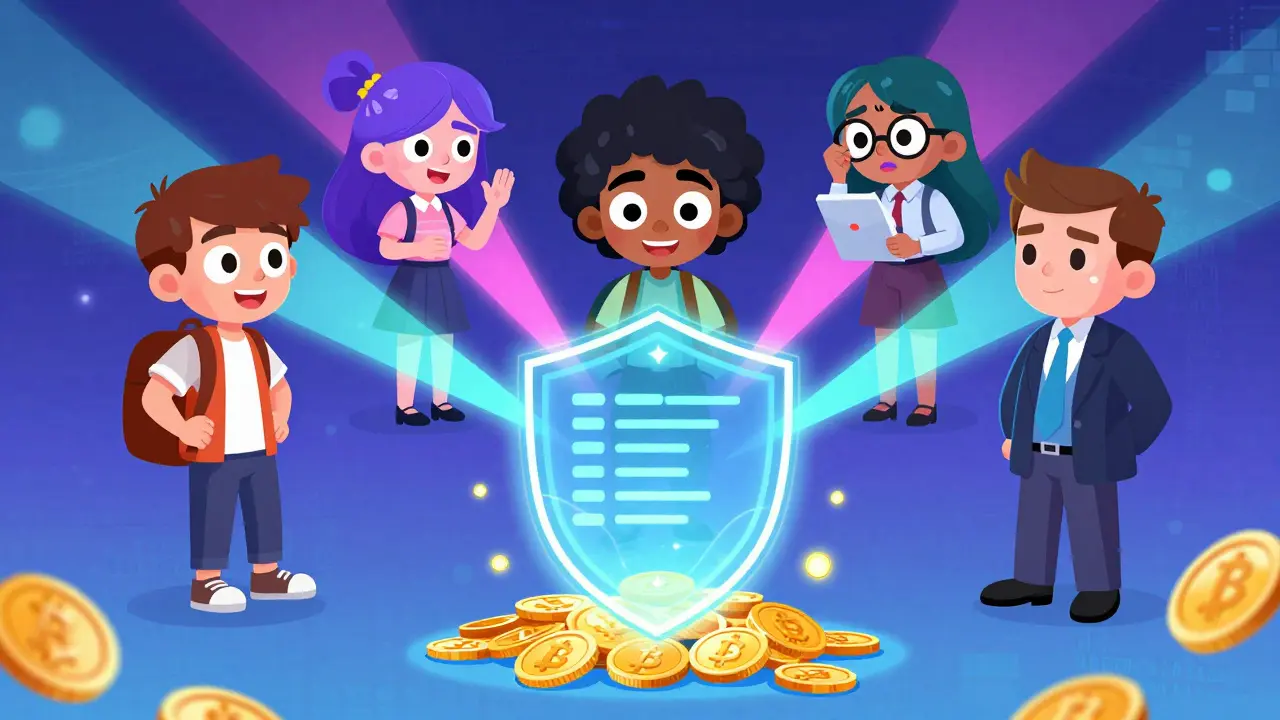
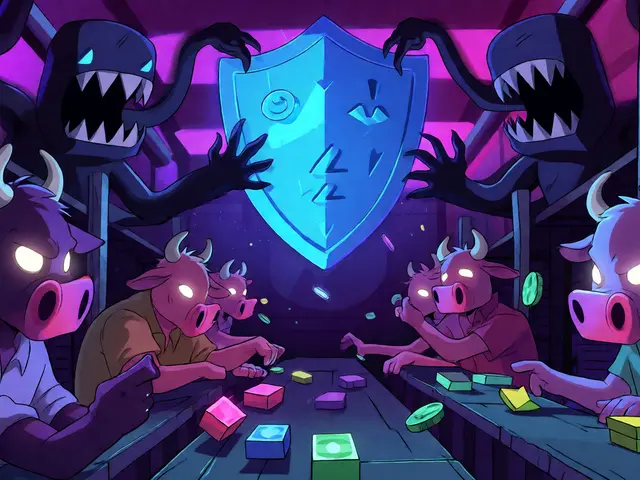
Think of social recovery as a digital "emergency contact" system. Instead of one master key, you designate a group of guardians. These could be your best friends, your parents, or even a professional legal firm. These guardians don't have access to your money; they only have the power to vouch for your identity when you've lost your keys.
The magic happens via ERC-4337 an Ethereum standard that enables account abstraction by allowing users to trigger smart contract actions via UserOperations. When you lose your device or key, you start a recovery request. Your designated guardians must then sign a transaction confirming that you are who you say you are. Once a specific number of guardians (for example, 2 out of 3) agree, the smart contract updates the owner key to your new device.
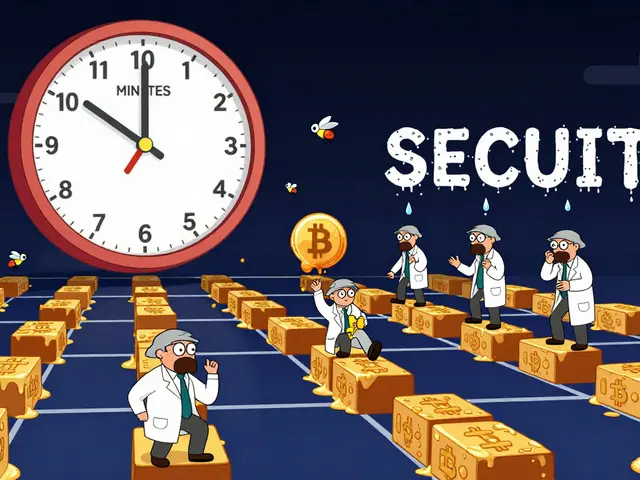
To prevent a group of friends from conspiring to steal your funds, most systems implement a timelock. This is a waiting period-often between 24 and 72 hours-where the recovery request is public. If a hacker tried to trigger a recovery, you'd have a window of time to cancel the request and secure your funds before the new key is granted.
| Feature | Traditional EOA (Seed Phrase) | Centralized Exchange (CEX) | Social Recovery (AA) |
|---|---|---|---|
| Control | Full Self-Custody | Custodial (Exchange owns keys) | Full Self-Custody |
| Recovery Method | Mnemonic Phrase (12-24 words) | Email/ID Verification | Guardian Approval |
| Risk | Permanent loss if phrase is lost | Exchange hack or bankruptcy | Social engineering of guardians |
| User Effort | High (Manual backup) | Low (Standard login) | Medium (Initial setup) |
The Tech Under the Hood
If you're wondering how this works without a central server, it's all about the infrastructure of ERC-4337. Traditional transactions are sent by an EOA. In an abstracted world, the user sends a UserOperation. This is a special object that describes what the user wants to do.
Then come the Bundlers nodes that aggregate UserOperations and submit them to the blockchain as a single transaction. They act as the bridge between your intent and the on-chain execution. Finally, the EntryPoint contract verifies that the operation is valid before executing the logic stored in your smart contract wallet. This separation is what allows you to have a recovery logic that is completely different from your spending logic.
For those using Layer-2 solutions like Starknet a ZK-rollup that provides high scalability and native account abstraction, the costs are much lower. While social recovery on the Ethereum mainnet can be 15-25% more expensive in gas due to the extra verification steps, L2s have brought that premium down to around 5-10%, making it viable for the average user.
Real-World Trade-offs: Is It Perfect?
No technology is without its flaws. While social recovery removes the "single point of failure" of a seed phrase, it introduces "social points of failure." If you pick three friends as guardians and all three of them lose their phones or pass away, you're back to square one. There's also the risk of social engineering; a hacker might try to trick your guardians into signing a recovery transaction by pretending to be you in an emergency.
We've also seen the "coordination headache." Imagine needing to recover your funds urgently, but two of your guardians are on a hiking trip in the Alps with no signal. You are locked out of your own money until they get back to a hotel. This is why experts suggest a mix of guardians: one close friend, one family member, and perhaps a professional vault service or a hardware wallet stored in a bank.
Setting Up Your Recovery Circle
If you're moving to a smart contract wallet like Argent a leading smart contract wallet focused on user experience and social recovery or Safe a multi-signature smart account platform used by institutions and individuals, the setup takes about 10 minutes. Here is the best way to handle it:
- Pick Diverse Guardians: Don't put all your eggs in one social basket. Use people across different time zones and different communication apps.
- Verify the Connection: Ensure your guardians know they are guardians. Most wallets use a signing process to confirm the relationship.
- Test the Process: Use a recovery simulation. There is nothing worse than finding out your recovery process doesn't work only after you've actually lost your keys.
- Review Periodically: People move, friendships fade. Check your guardian list once a year to make sure everyone is still reachable.
The Future of Onboarding
The industry is moving toward a world where you won't even know you're using a blockchain. We are seeing the integration of biometric authentication-FaceID or fingerprints-acting as the primary key, with social recovery acting as the ultimate safety net. This removes the "crypto-jargon" from the experience entirely.
Enterprise adoption is already here. Many corporate treasuries now require these capabilities because they can't risk a company's entire treasury being tied to one person's piece of paper. As we move toward 2026, expect to see cross-chain recovery, where a guardian on Solana can help you recover an account on Ethereum, further simplifying the fragmented web3 landscape.
Do my guardians have access to my money?
No. Guardians cannot spend your funds or see your balance. Their only power is to sign a transaction that confirms your identity during a recovery process. They are like witnesses in a court case, not co-owners of the account.
What happens if I lose my guardians?
If you lose the majority of your guardians (e.g., 2 out of 3), you may lose access to your funds. This is why it is recommended to choose a diverse set of guardians or use a professional recovery service as one of your slots.
Is social recovery more expensive than a normal wallet?
Yes, but usually only during the setup or recovery phase. Because smart contract wallets require more computational work on the blockchain than simple EOAs, gas fees are slightly higher. However, Layer-2 networks have made this cost negligible for most users.
Can a hacker trick my guardians into giving them my account?
It is possible through social engineering. This is why most social recovery wallets implement a timelock. If a fraudulent recovery is started, the real owner is notified and can cancel the request before the funds are moved.
Do I still need a seed phrase with social recovery?
Many account abstraction wallets remove the need for a seed phrase entirely. However, some provide an optional "backup key" as an alternative to social recovery. If you have both, you have multiple paths back into your account.


Robert Smith
Game changer for sure 🚀🔥