Blockchain Finance in Developing Countries: Real Uses, Real Challenges
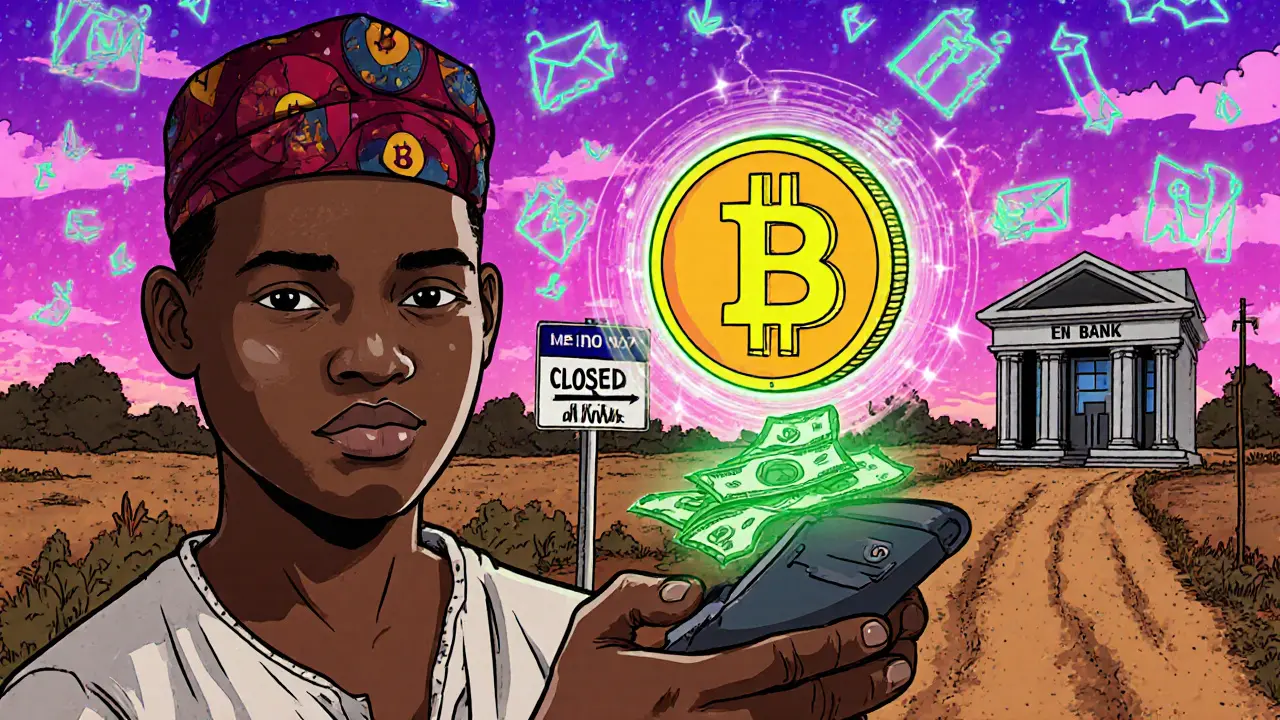
When we talk about blockchain finance, a system that lets people send, store, and trade value without traditional banks. Also known as decentralized finance, it’s not just for tech hubs in Silicon Valley or crypto traders in New York—it’s becoming a lifeline in places where banks won’t go. In countries like Nigeria, Bangladesh, and Venezuela, people aren’t using blockchain because it’s trendy. They’re using it because they have no other choice.
Take crypto adoption in Africa, where mobile money is common but cross-border payments are slow and costly. Also known as digital currency access, it’s letting farmers in Kenya get paid in crypto from buyers in Europe, skipping expensive wire fees and days-long delays. In Nigeria, even after government crackdowns, people still use Binance and P2P platforms to protect savings from inflation. In Bangladesh, traders use VPNs to bypass bans and access global markets. These aren’t fringe activities—they’re survival strategies.
But it’s not all smooth sailing. crypto regulations in Asia, like Vietnam’s strict $379M capital barrier for exchanges or Indonesia’s ban on crypto payments. Also known as digital asset rules, they create confusion. Even when crypto is legal, local banks refuse to work with exchanges. People trade anyway—but they do it in the shadows, risking scams like fake platforms named CreekEx or Woof Finance. And then there’s the problem of access: if you don’t have a smartphone, internet, or ID to verify your identity, blockchain finance doesn’t help you at all. The technology is powerful, but it’s not magic. It needs infrastructure, education, and trust to work.
What you’ll find below are real stories from the frontlines: how Venezuelans are forced into state-run mining pools, how Indonesians navigate legal gray zones, how Bangladeshis use VPNs just to buy Bitcoin, and how airdrops in places like Nigeria and India turn into high-risk gambles. These aren’t theoretical debates—they’re daily realities for millions. Some posts expose scams. Others show how DeFi platforms like Ref Finance offer near-zero fees for swapping tokens. Some reveal failed projects that vanished overnight. All of them are grounded in what’s actually happening on the ground—not in boardrooms, but in homes, markets, and internet cafes where blockchain finance is being built, one transaction at a time.