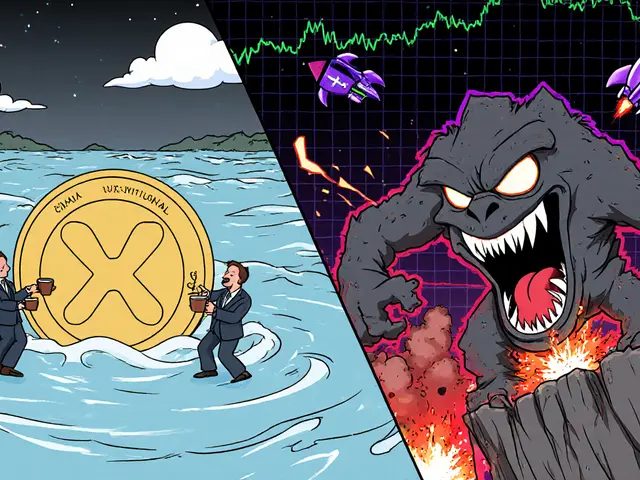
NFT vs Cryptocurrency: Key Differences Explained
NFTs and cryptocurrencies both use blockchain, but they serve completely different purposes. One is digital money. The other is proof of ownership for unique items. Here's how they really differ.
When people talk about blockchain tokens, digital assets built on top of existing blockchains like Ethereum or Solana, used for everything from payments to governance. Also known as crypto tokens, they’re not the same as coins like Bitcoin, which have their own network. Tokens run on top of other chains and give you access to apps, services, or even ownership in a community. Think of them like tickets to a concert—you don’t own the venue, but you own the right to enter and use what’s inside.
There are different kinds of utility tokens, tokens designed to give access to a product or service on a blockchain platform. For example, ERC-20 tokens, a technical standard for tokens on the Ethereum network that makes them interchangeable and easy to trade, power platforms like Ref Finance and VVS Finance. These aren’t just digital money—they’re keys to DeFi swaps, staking rewards, or governance votes. Then there are social tokens, tokens issued by communities to reward participation and let members share in the value they create, like those used in Web3 groups to grant access to exclusive content or voting rights. Some tokens even represent real-world assets, like fractional ownership of property through tokenized real estate.
But not all tokens are built the same. Many, like Flowmatic ($FM) or XGT, were launched with big promises and vanished when developers disappeared. Others, like AZ from Azbit or SBAE, have no real use—just hype and a tiny market cap. You’ll find posts here that break down which tokens actually do something, like PYR for gaming or REF for fast DeFi trades, and which ones are just gambling chips with a blockchain label. Some platforms, like Xcalibra or COREDAX, even limit which tokens you can trade based on location or compliance rules. And don’t forget the airdrops—some, like SoccerHub’s SCH, actually gave out usable tokens. Others, like the fake DMC or XGT airdrops, were just traps.
If you’re looking at blockchain tokens, you need to ask: Does this token solve a real problem? Is there active development? Who’s using it? Is it listed on real exchanges—or just ghost DEXs with no volume? The posts below cover exactly that: the good, the bad, and the outright scams. You’ll learn what to watch for, which tokens still have legs in 2025, and how to avoid losing money to something that doesn’t even exist anymore. No fluff. Just what works—and what doesn’t.
3 March
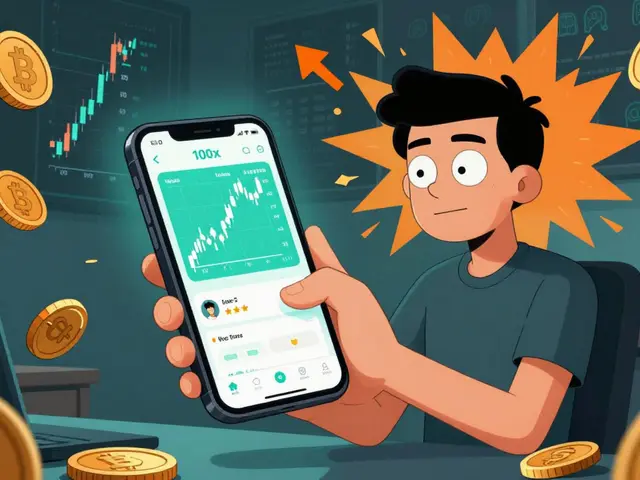
NFTs and cryptocurrencies both use blockchain, but they serve completely different purposes. One is digital money. The other is proof of ownership for unique items. Here's how they really differ.
5 December
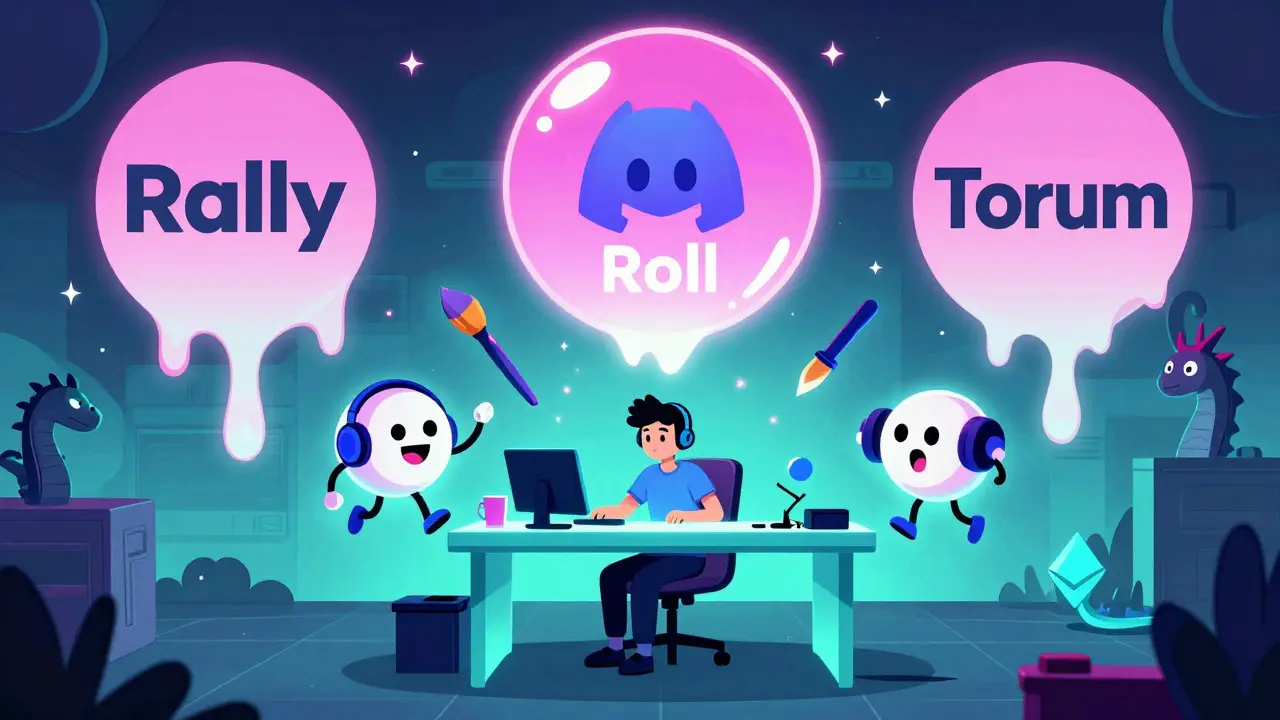
Social token platforms let creators turn fans into stakeholders using blockchain-based digital tokens. Learn how Rally, Roll, and Torum work, which blockchain to choose, real success stories, and how to avoid common pitfalls in 2025.