Crypto Mining Regulations in Venezuela: What’s Legal, What’s Not in 2025
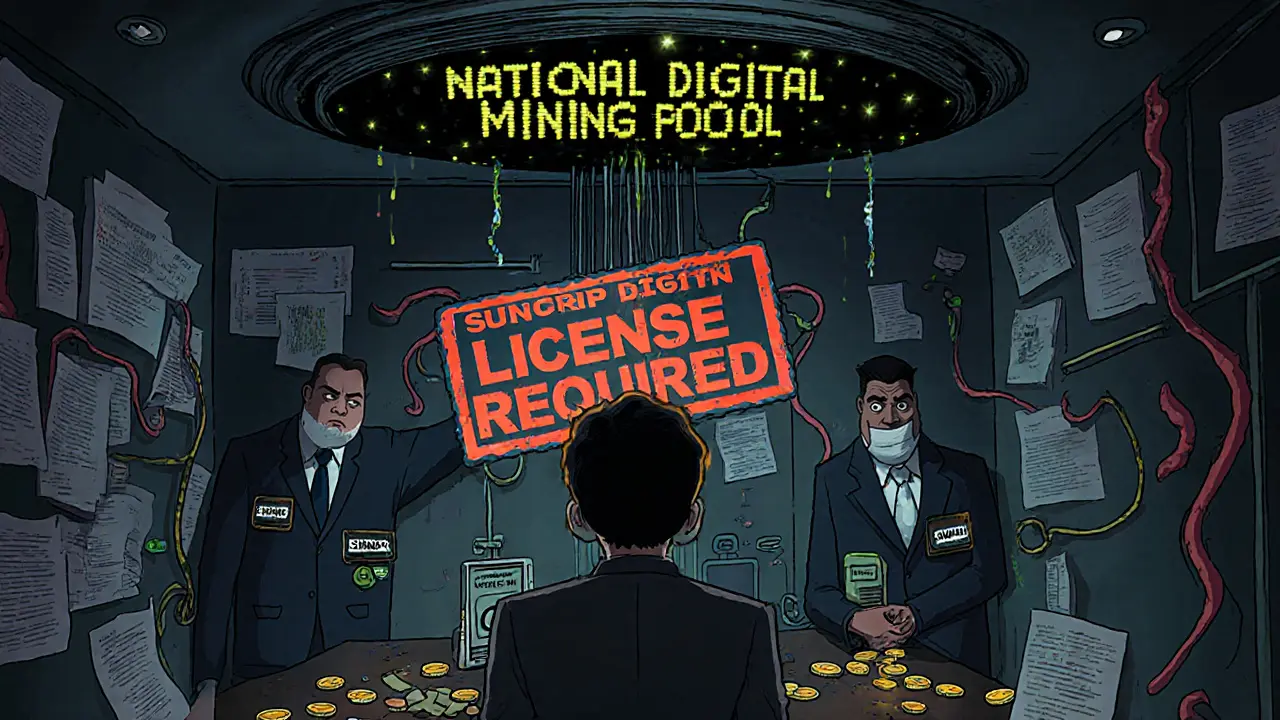
When it comes to crypto mining regulations Venezuela, the official stance from Caracas claims control, but the reality on the ground is a patchwork of loopholes, black markets, and quiet defiance. Also known as Venezuela Bitcoin mining rules, these policies were meant to bring order—but instead, they created a gray zone where electricity-hungry rigs run in basements while the state looks the other way.
Here’s the truth: Venezuela never banned crypto mining. In fact, back in 2018, the government launched its own digital currency, the Petro, and quietly encouraged mining as a way to earn foreign currency. But here’s the twist—while mining isn’t illegal, using the national grid for it is. The state owns the power, and they’ve cracked down on large-scale operations that drain public electricity. That’s why most miners work off-grid: solar panels, diesel generators, or stolen power from rural substations. It’s not pretty, but it works. And it’s not just a few hobbyists—entire neighborhoods in Maracaibo and Valencia have turned garages into mining farms, quietly selling their Bitcoin to crypto traders in Colombia or Panama for cash.
What’s missing? Official licensing. Unlike South Korea or the UK, Venezuela has no registered mining companies, no tax reporting system, and no clear rules for foreign investors. The central bank doesn’t track it. The tax office doesn’t ask for it. The only thing that matters is whether you can keep your rigs running without the lights going out. That’s why you’ll find miners using cheap solar kits from China or repurposed GPU rigs from abandoned offices. They don’t care about compliance—they care about survival. And in a country where inflation hit 1,000,000% in 2023, mining isn’t a tech trend—it’s a lifeline.
Related entities like Venezuela crypto laws, the legal framework that officially governs digital assets in the country exist on paper, but they’re rarely enforced. Meanwhile, Bitcoin mining Venezuela, the most common form of crypto mining due to its low entry cost and global liquidity thrives in the shadows. You won’t find a single government-approved mining facility, but you’ll find dozens of underground operations, often run by former oil workers or students with access to cheap hardware.
And here’s what no one talks about: the people who profit aren’t the ones mining. They’re the ones selling the power, the cooling systems, or the cash-out routes. A guy in Caracas who runs a small generator for five rigs might make more than the miner himself. That’s the real economy here—unregulated, informal, and fiercely adaptive.
What you’ll find in the posts below are real stories from people who’ve tried to mine in Venezuela, the scams they’ve avoided, the hardware they’ve rigged up, and the quiet networks that keep the lights on—even when the state says it shouldn’t be happening. This isn’t about policy. It’s about people finding a way to turn electricity into food, medicine, and freedom.