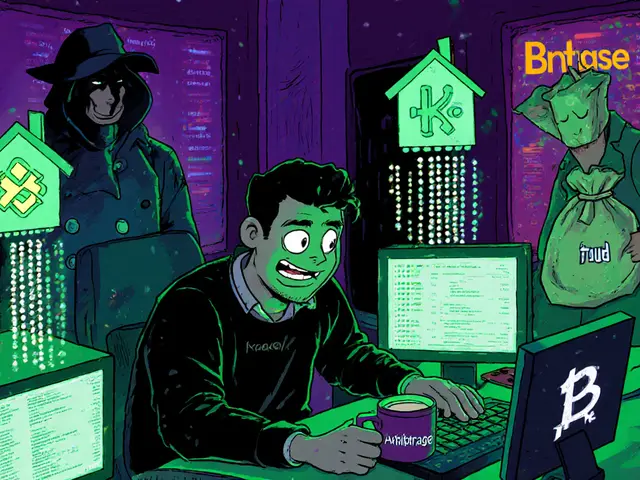
Crypto Regulations in Jordan: What You Need to Know in 2025
When it comes to crypto regulations in Jordan, the country has no formal legal framework for cryptocurrencies, leaving users in a gray area where trading is tolerated but not protected by law. Also known as Jordanian crypto policy, this lack of clarity affects everything from bank access to exchange usage. Unlike neighbors like the UAE or Saudi Arabia, Jordan hasn’t licensed any crypto exchanges, issued stablecoin rules, or created tax guidelines for digital assets. That doesn’t mean crypto is illegal—it just means you’re on your own if something goes wrong.
Most Jordanians who trade crypto use international platforms like Binance or Bybit, often through VPNs to bypass local banking blocks. Banks here still treat crypto transactions as high-risk, and many accounts get frozen if they detect transfers linked to exchanges. The Central Bank of Jordan has issued warnings about fraud and volatility, but it hasn’t moved to ban or regulate. Meanwhile, local entrepreneurs are quietly building crypto-related services—wallet apps, remittance tools, and education hubs—operating in the shadows because there’s no legal path forward. This uncertainty is why Jordanians pay close attention to what happens in crypto regulations in Saudi Arabia, a nearby country that recently launched a full regulatory sandbox for digital assets under the SAMA authority. If Saudi moves forward, Jordan might follow—or get left behind.
There’s also no official stance on mining, staking, or DeFi. No one’s been fined for holding Bitcoin, but no one’s been given legal protection either. Tax authorities haven’t clarified whether crypto gains count as income or capital, so most traders just don’t report. The blockchain regulation in the Middle East, a broader trend where Gulf nations are creating clear rules to attract crypto businesses, is moving fast—but Jordan hasn’t joined. That’s why users here rely on forums, Telegram groups, and word-of-mouth to figure out what’s safe. You won’t find a government portal for crypto compliance. You won’t find licensed local exchanges. What you will find are people adapting, learning, and trading anyway.
Below, you’ll find real reviews and deep dives into what’s actually happening on the ground: how Jordanians access exchanges, what scams to avoid, and how nearby regulatory shifts could change everything. No fluff. No guesses. Just what people are doing right now.