FCA Crypto Rules: What You Need to Know About UK Crypto Regulations
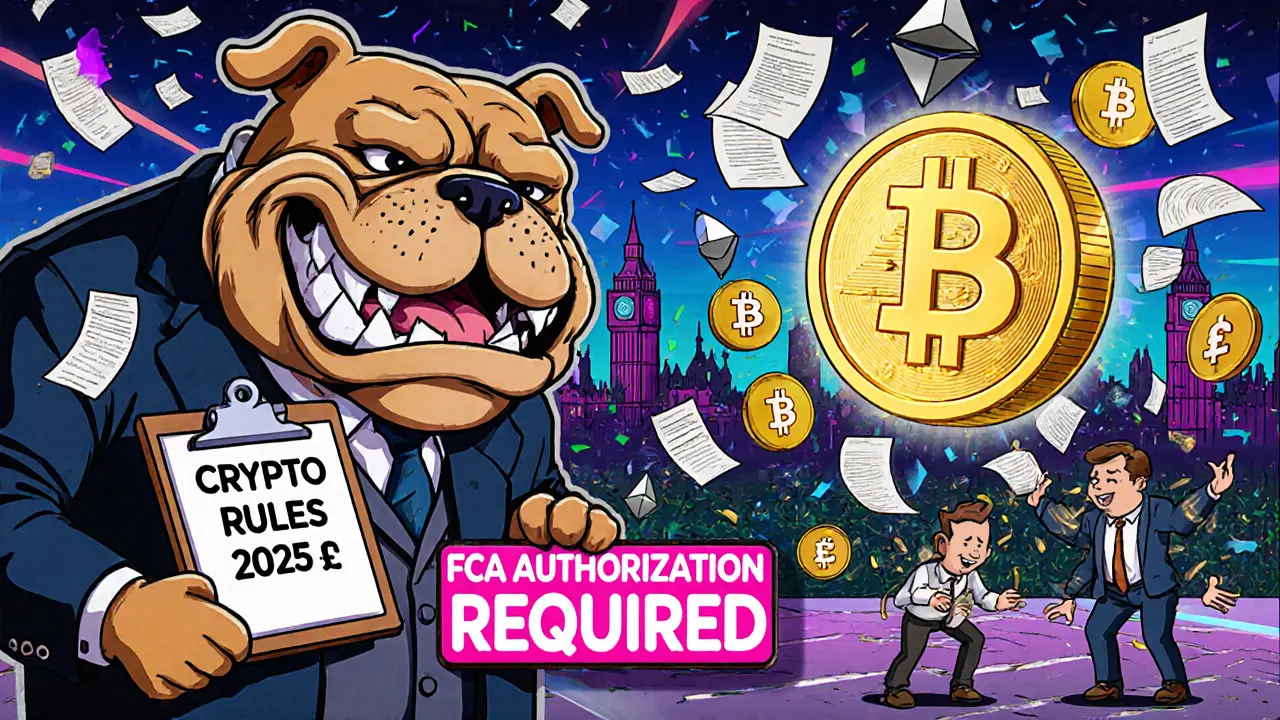
When you trade crypto in the UK, you’re playing by the rules set by the FCA, the UK’s Financial Conduct Authority, which regulates financial markets and protects consumers from fraud. Also known as the Financial Conduct Authority, it’s the gatekeeper for every crypto exchange, wallet, and token that wants to operate legally in Britain. If a platform isn’t registered with the FCA, it’s not just risky—it’s illegal to market to UK residents. That’s why so many exchanges either shut down their UK services or get licensed, even if it means jumping through hoops like proving they can freeze suspicious funds or verify every user’s identity.
The FCA doesn’t ban crypto, but it draws a hard line on what’s acceptable. Crypto exchanges, platforms where you buy, sell, or trade digital assets like Bitcoin and Ethereum. Also known as crypto trading platforms, they must register with the FCA and follow strict anti-money laundering rules. You won’t find Binance or KuCoin offering spot trading to UK users unless they’re licensed—and even then, they can’t offer leveraged products like CFDs. Stablecoins, crypto tokens pegged to the pound or dollar to reduce volatility. Also known as pegged digital assets, they’re under heavy scrutiny, with the FCA warning that most aren’t safe for retail investors. And don’t be fooled by influencers pushing meme coins—promoting unregistered tokens to UK users is now a punishable offense.
What does this mean for you? If you’re using a platform that doesn’t show an FCA registration number, you’re on your own. No protection if it crashes. No recourse if it vanishes. The FCA has shut down over 100 fake crypto firms since 2020, and they’re still hunting. But it’s not all bad news. Legit exchanges like Coinbase and Crypto.com now offer clear, regulated services with cold storage, two-factor authentication, and real customer support. You can trade safely—if you know where to look.
Below, you’ll find real reviews and breakdowns of exchanges, scams, and regulatory shifts affecting UK traders. Some posts cover exchanges banned by the FCA. Others explain how Nigerian or Korean traders deal with their own rules—so you can see how the UK compares. You’ll also see how airdrops, token swaps, and DeFi platforms get caught in the crosshairs of regulators. This isn’t theory. These are real cases, real losses, and real ways to stay compliant.