NFT Royalties: What They Are, Why They Matter, and How They Really Work
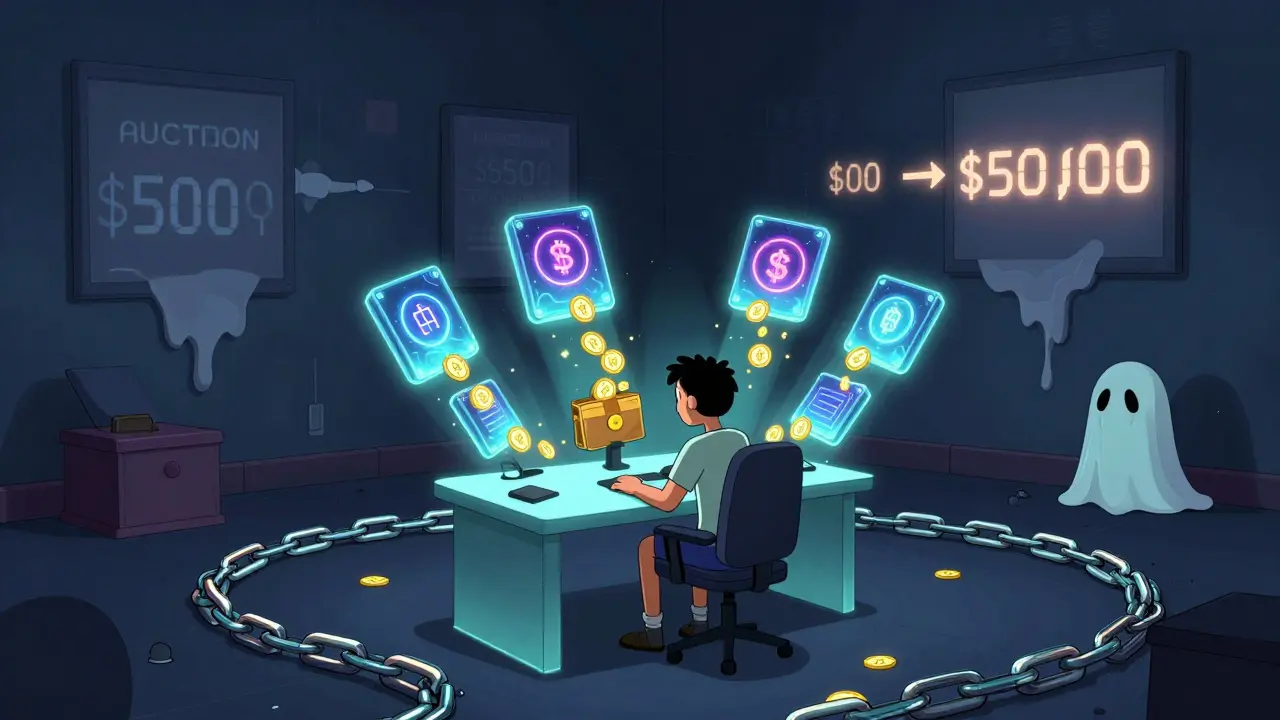
When you buy an NFT royalty, a percentage of future sales automatically paid to the original creator. Also known as creator royalties, it's the one feature that tries to keep artists paid long after their work leaves their hands. It sounds simple: you make a digital piece, sell it, and keep getting a cut every time someone flips it. But in practice, it’s messy. Some marketplaces honor it. Others don’t. Some buyers think they own the art outright and refuse to pay. And some creators never even set it up right in the first place.
Behind every NFT royalty is a blockchain smart contract, a self-executing code that enforces rules on the network. This contract holds the royalty percentage—usually 5% to 10%—and triggers payment when the NFT changes hands. But here’s the catch: the contract only works if the marketplace respects it. OpenSea used to enforce royalties. Now, it lets buyers ignore them. Looks like the code is there, but the will isn’t. Meanwhile, platforms like Blur and Magic Eden still pay out, but only if you trade within their ecosystem. That means your royalty might vanish the moment you move your NFT to a different exchange. This isn’t just a technical issue—it’s a power struggle. Creators want ongoing income. Buyers want full control. And exchanges? They pick sides based on volume, not fairness.
Some NFT projects tried to fix this by building their own marketplaces. Others turned to secondary tools like royalty enforcement protocols, third-party systems that track and collect unpaid royalties across platforms. But most of these are still experimental. The truth? If you’re an artist, don’t rely on royalties alone. Build community. Offer perks. Make your NFT more than just a JPEG. If you’re a buyer, understand that ignoring royalties might hurt the ecosystem. And if you’re just starting out? Check the royalty settings before you buy. It’s not just about the price—it’s about who gets paid next time.
What you’ll find below are real stories from the front lines: creators who lost income when marketplaces changed their rules, collectors who got burned by fake royalty claims, and projects that built sustainable models despite the chaos. These aren’t theoretical guides. They’re lessons from people who lived it.