NFTs for beginners: What they are, how they work, and what to watch out for
When you hear NFTs, unique digital assets stored on a blockchain that prove ownership of something like art, music, or virtual land. Also known as non-fungible tokens, they’re not currency — they’re digital collectibles with verifiable ownership. That’s the basics. But most people get confused because NFTs look like crypto, act like investments, and sometimes feel like scams. The truth? They’re neither all magic nor all garbage. They’re just a new way to say "I own this," and that’s powerful — if you know what you’re buying.
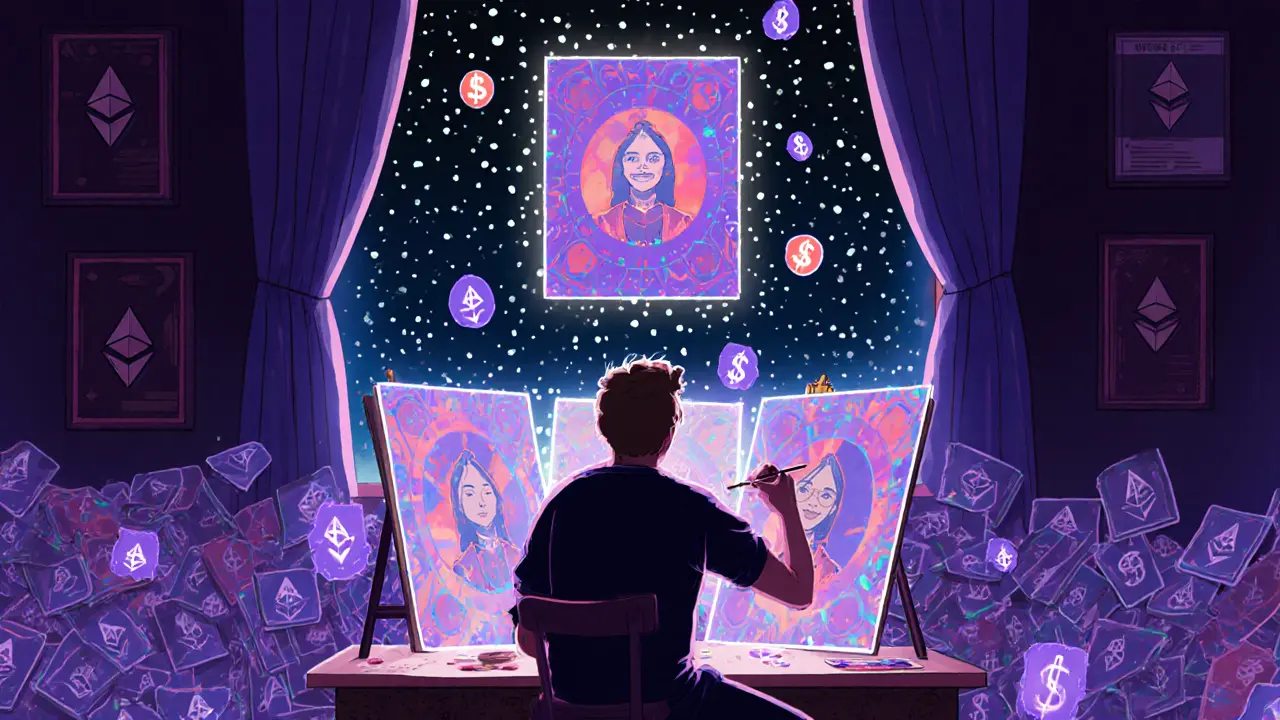
Every NFT lives on a blockchain, usually Ethereum or Solana. That means no one can fake your ownership. But here’s the catch: owning an NFT doesn’t mean you own the image. It means you own a digital certificate tied to it. If you buy a Bored Ape NFT, you don’t own the picture — you own the token that proves you’re the registered owner. The picture? It’s still on the internet, free for anyone to copy. This trips up beginners all the time. People think they’re buying art. They’re really buying a digital receipt.
That’s why most NFTs fail. Without community, utility, or a real reason to exist, they’re just JPEGs with a blockchain tag. Look at the posts below — you’ll see projects like SoccerHub (SCH), a play-to-earn soccer game where NFTs represent players and assets, or MetaniaGames v2 (METANIA), a token tied to an unlaunched game with no real use case. One has a working game and players. The other? Just hype. The difference? Utility. If the NFT does something — lets you play, earn, vote, or unlock content — it has a shot. If it’s just a profile picture with no function, you’re gambling.
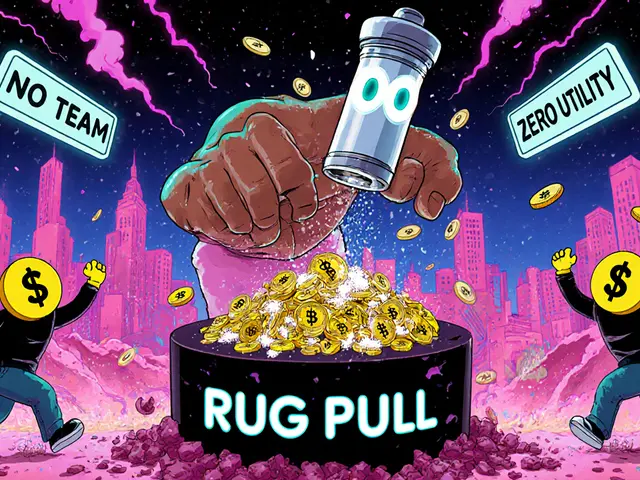
And don’t forget the scams. Fake NFT drops, fake marketplaces, fake teams — they’re everywhere. You’ll find examples in the posts below, like CreekEx, a fake crypto exchange that stole funds by pretending to support NFT trading, or Woof Finance, a project that used NFTs as bait to lure investors into a dead token. Real NFTs don’t promise riches. They offer access. If someone says "buy this and get rich," run.
So what should you look for? A team you can find. A whitepaper that explains more than hype. A community that’s active, not just buying and selling. And a platform you trust — not some random site with a flashy logo. NFTs aren’t for everyone. But if you’re curious, start small. Learn what ownership really means. Watch what happens after the hype fades. And remember: the most valuable NFTs aren’t the ones with the biggest price tags — they’re the ones that still matter after the party’s over.
Below, you’ll find real stories — some about projects that worked, others about ones that vanished. No fluff. No promises. Just what happened, who got hurt, and what you can learn from it.