Thailand crypto penalties: What happens if you break the rules in 2025
When you trade crypto in Thailand, a country that legalized crypto trading but imposed strict oversight. Also known as the Kingdom of Thailand, it now treats digital assets as regulated financial instruments—not just speculative tokens. If you ignore the rules, you’re not just risking your money—you’re risking your freedom.
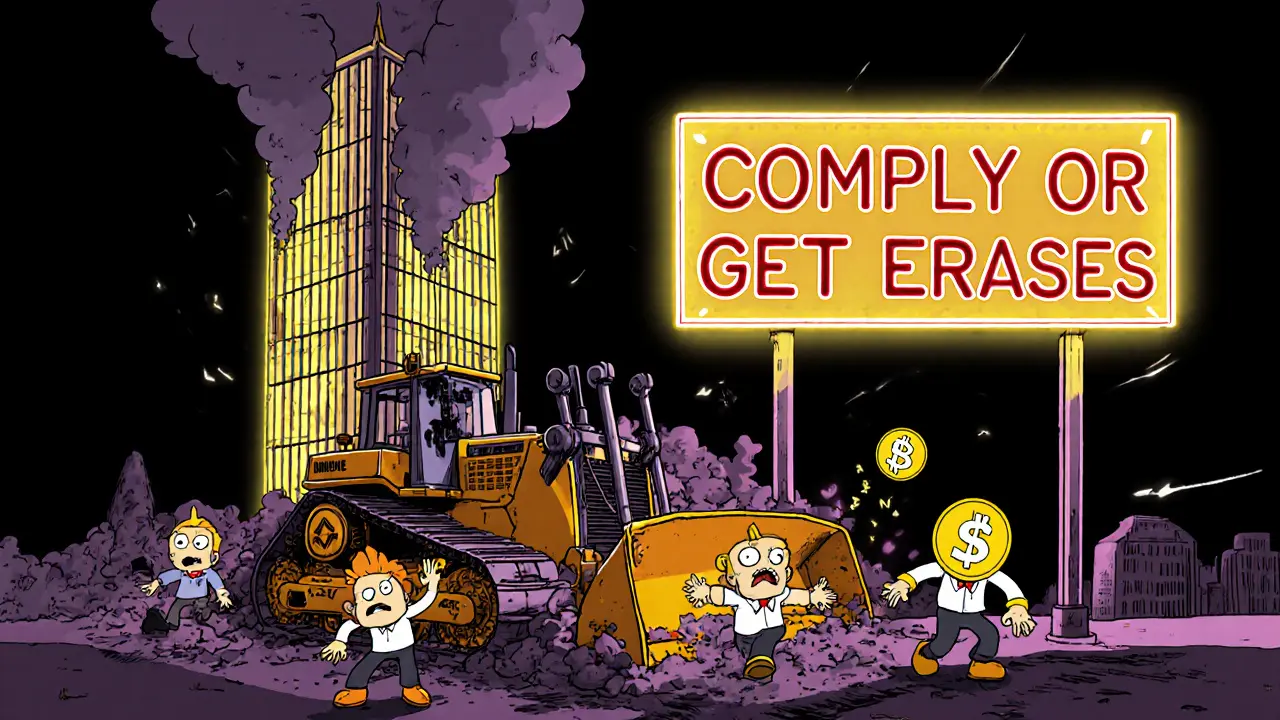
The Thailand crypto penalties, a set of legal consequences enforced by the SEC Thailand and the Bank of Thailand. Also known as crypto compliance violations, it includes fines up to 5 million baht ($140,000) and prison terms of up to 10 years for unlicensed exchanges, tax evasion, or money laundering using crypto. You don’t need to be a big player to get caught. Even small traders who use offshore platforms without reporting income are now on the radar. The government tracks on-chain activity through licensed exchanges and cross-references bank transfers. If your wallet moves $10,000 in crypto and you didn’t declare it, you’re already in violation.
It’s not just about taxes. The crypto legal Thailand, a framework that requires all crypto platforms to register with the SEC and follow KYC/AML rules. Also known as digital asset licensing, it bans anonymous trading, stablecoin issuance without approval, and any promotion of unregistered tokens. If you run a Telegram group teaching people how to bypass restrictions, you could be charged with operating an illegal financial service. Even if you’re just helping a friend swap tokens without a license, you’re breaking the law.
Most people think penalties only hit big operators. They’re wrong. In 2024, a university student got fined 1.2 million baht for using Binance without reporting gains. In early 2025, a small business owner was jailed for 18 months after using crypto to pay suppliers without tax documentation. The SEC doesn’t wait for complaints—they use AI to flag suspicious patterns. If your wallet shows frequent small transfers to overseas addresses, you’ll get a letter. Ignore it, and the police show up.
There’s no gray area. If you’re in Thailand and you trade crypto, you’re under the law. No exceptions for tourists, expats, or remote workers. The government doesn’t care if you’re from the U.S. or Canada. If you’re physically here, you follow their rules. And they’re not bluffing.
Below, you’ll find real cases, breakdowns of recent crackdowns, and exactly how to stay on the right side of Thailand’s crypto rules—without risking your wallet or your freedom.