Tokenized Communities: How Blockchain Turns Groups Into Owners
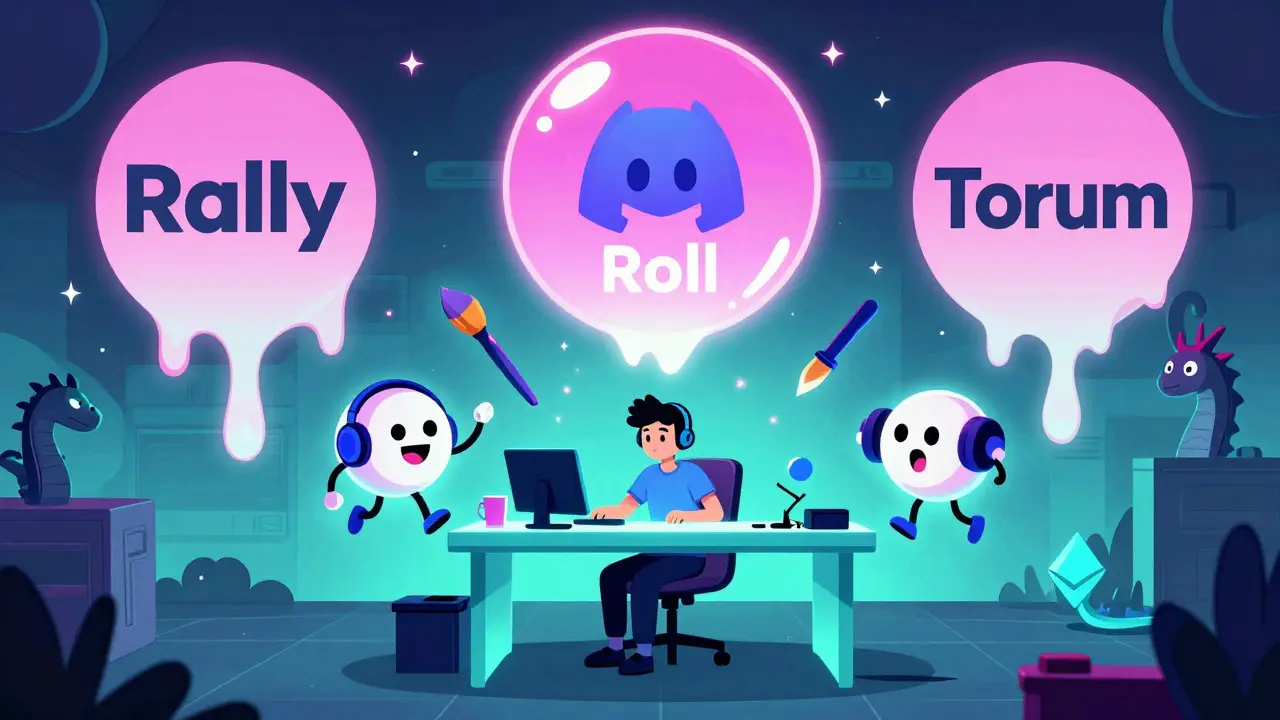
When a group of people starts sharing value—not just ideas, but actual ownership—it’s called a tokenized community, a group where members hold digital tokens that give them voting power, financial stakes, and access to exclusive benefits. Also known as community-owned ecosystems, these aren’t just forums or Discord servers—they’re real economic units built on blockchain. Think of it like a neighborhood where everyone gets shares in the local coffee shop, and those shares let you vote on new menu items, earn a cut of profits, or unlock early access to events. That’s what tokenized communities do, but online, global, and without middlemen.
These communities rely on social tokens, digital assets issued by a group to represent membership, contribution, or influence. Also known as community coins, they turn passive followers into active stakeholders. You don’t just join a Discord group—you earn a token by helping moderate, create content, or bring in new members. That token might let you vote on how funds are spent, claim a share of revenue, or even get invited to private events. This isn’t theory. Projects like those using decentralized governance, a system where decisions are made by token holders through on-chain voting, not by a CEO or board have already replaced traditional org structures. And when those tokens are tied to real utility—like access to tools, events, or exclusive drops—it creates a loop where the community grows because its members have skin in the game.
But it’s not all smooth sailing. Many tokenized communities fail because they launch tokens without a clear purpose, or because too few people actually vote. That’s why the best ones focus on community ownership, the idea that value is created and shared by those who contribute, not just investors or founders. They avoid hype, keep rules simple, and make sure every token holder understands how their vote matters. You’ll see this in the posts below—some projects nailed it, others turned into ghost towns after the airdrop. And then there are the scams: tokens that promise ownership but deliver nothing but empty wallets.
What you’ll find here aren’t just reviews. They’re case studies. Real examples of tokenized communities that worked, ones that collapsed, and others that never even got off the ground. You’ll learn how social tokens changed the way fans support creators, how DAOs handle treasury spending, and why some communities thrive while others vanish overnight. No fluff. No promises. Just what happened, who got left behind, and what you can learn from it.