Underground Crypto: Hidden Exchanges, Scams, and Unregulated Markets
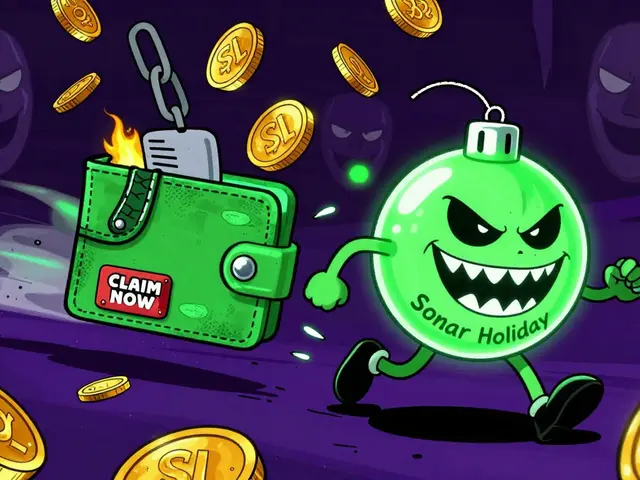
When people talk about underground crypto, unregulated, obscure, and often deceptive parts of the crypto world that operate outside official oversight. Also known as shadow crypto, it includes platforms that aren’t licensed, tokens with no real code, and airdrops that vanish after you give your wallet address. This isn’t the stuff you find on Binance or Coinbase. It’s the back-alley deals, the misspelled exchange names like Armoney or CreekEx, the meme coins with zero team, and the "free token" traps that look like real airdrops but are just phishing sites in disguise.
Underground crypto thrives where regulation is weak or ignored. You’ll find it in places like Bangladesh, where traders use VPNs to reach banned exchanges, or Nigeria, where rules change monthly and enforcement is patchy. It shows up in Venezuela, where miners must join a state-run pool just to keep their hardware running. It’s in the Korean exchange COREDAX, which only works if you’re local and have a bank account there—because global platforms won’t touch certain markets. It’s even in Indonesia and Vietnam, where crypto is legal to trade but banned as payment, creating a gray zone where only the most cautious survive. These aren’t abstract ideas—they’re real, daily realities for millions who can’t access mainstream platforms.
What makes underground crypto dangerous isn’t just the scams—it’s the confusion. Projects like Project Quantum (QBIT) or TajCoin (TAJ) claim to be the next big thing, but they have no trading volume, no team, and no working product. Airdrops like DSG or KCCSwap are advertised as free money, but if there’s no circulating supply or zero trading activity, you’re not getting rich—you’re just giving away your wallet info. Even platforms that sound legit, like OpenSwap on Harmony or SushiSwap on Arbitrum Nova, can be dead ends with no liquidity. The line between a risky project and a total scam is thinner than most think. And when you lose money here, there’s no customer support, no refund policy, no legal recourse.
If you’re exploring underground crypto, you’re not just chasing returns—you’re navigating a minefield. The posts below show you exactly what’s real, what’s fake, and how to spot the traps before you click "connect wallet." You’ll see how BinaryX forced a token swap that wiped out unaware holders, how Woof Finance and CreekEx were built just to steal funds, and why the most promising airdrops often turn out to be ghost projects. This isn’t theory. It’s a field guide to surviving the wild side of crypto—without losing your money.