Vietnam Crypto Regulations: What’s Legal, What’s Not in 2025
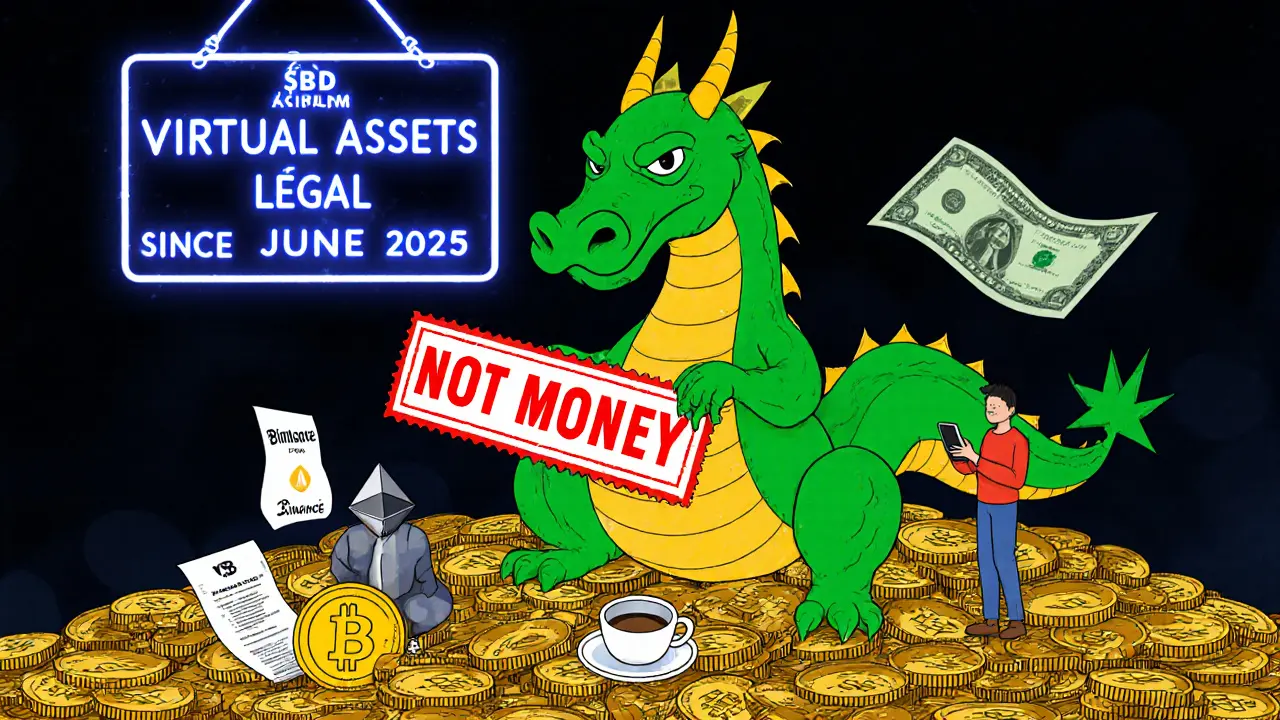
When it comes to Vietnam crypto regulations, the legal framework governing cryptocurrency use, trading, and taxation in Vietnam. Also known as Vietnam cryptocurrency laws, it’s not a ban—it’s a tight leash. The State Bank of Vietnam doesn’t recognize crypto as legal tender, but it also doesn’t stop people from buying, selling, or holding it. That gray zone is where most traders live right now. Unlike China or Nigeria, Vietnam never fully outlawed crypto. Instead, it quietly built rules around it, mostly to control money laundering and protect consumers. By 2025, those rules got sharper: you can trade on exchanges, but you can’t use crypto to pay for coffee or rent. You can mine it, but only if you’re not using state power. And yes, you owe taxes on gains—even if you never cashed out.
The real question isn’t whether crypto is legal in Vietnam—it’s whether you’re following the rules right now. The State Bank and Ministry of Finance are watching transaction patterns, especially on platforms like Binance and OKX. If you’re moving large amounts, they’ll flag it. You don’t need a license to hold Bitcoin, but if you’re running a business that accepts crypto, you’re in a different category. And if you’re using a VPN to bypass local exchange restrictions? That’s not illegal, but it’s risky. The government doesn’t care about your tools—they care about where your money ends up. That’s why local exchanges like ViettelPay, a state-linked digital wallet service that allows limited crypto conversions and MEXC Vietnam, a global exchange with localized KYC for Vietnamese users are growing. They’re the only ones playing by the rules.
There’s no official crypto tax rate yet, but the General Department of Taxation treats crypto like property. Sell for profit? You pay capital gains. Get paid in crypto? That’s income. Miners? You pay corporate tax if you’re doing it at scale. No one’s auditing small traders yet—but that could change fast. The real shift in 2025 isn’t about bans. It’s about control. The government wants to know who’s trading, how much, and where the money flows. That’s why you’ll see more KYC checks, more bank freezes on crypto-linked accounts, and more pressure on exchanges to report activity. If you’re trading in Vietnam, you’re not hiding anymore—you’re just navigating a system that’s still figuring itself out. Below, you’ll find real reviews, warnings, and breakdowns from traders who’ve been through it. No theory. No fluff. Just what’s working, what’s dangerous, and what’s quietly disappearing.