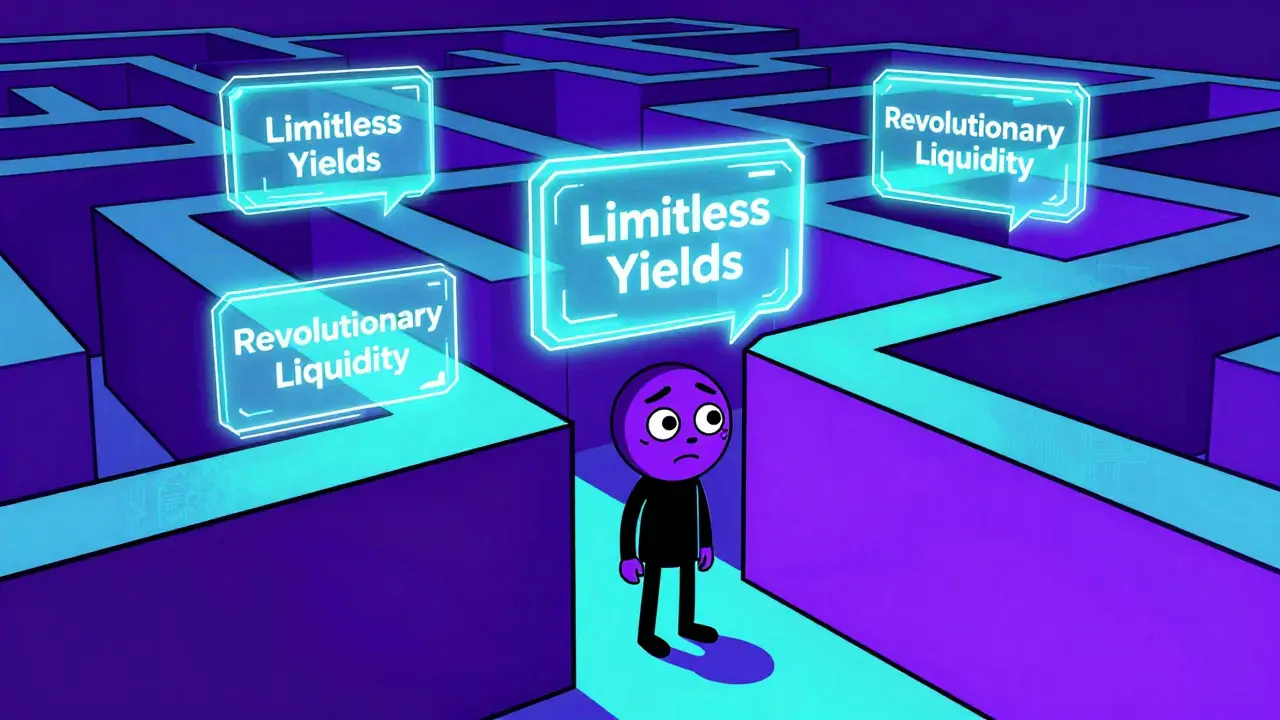
Entering the world of decentralized finance can feel like walking into a neon-lit maze. With thousands of platforms promising "limitless yields" and "revolutionary liquidity," it's easy to get swept up in the hype. When looking at the Value DeFi Protocol is a decentralized exchange (DEX) framework designed to provide liquidity and trading services without a central authority. It operates within the broader ecosystem of DeFi platforms, aiming to give users full control over their private keys while facilitating asset swaps. , the real question isn't just "Does it work?" but "Is it safer and more efficient than the giants already dominating the space?"
If you're tired of the strict KYC (Know Your Customer) hurdles of centralized exchanges, a DEX is the natural next step. But before you bridge your funds over, you need to know if this specific protocol holds up against the industry standard. Let's break down how this platform stacks up in a market where total value locked (TVL) across the sector has already soared past $100 billion.
The Core Mechanics: How Value DeFi Protocol Operates
At its heart, Value DeFi Protocol relies on Smart Contracts, which are self-executing contracts with the terms of the agreement directly written into lines of code. This removes the need for a middleman. Instead of a company like Coinbase holding your coins, the protocol uses automated logic to swap Token A for Token B.
Most of these systems use an Automated Market Maker (AMM) model. Instead of an order book where buyers and sellers wait for a match, the protocol uses liquidity pools. These are essentially big pots of crypto provided by other users. When you trade, you're trading against the pool, and the price is adjusted based on the ratio of assets available. This ensures that trades happen instantly, 24/7, without waiting for a counterparty.
Comparing Value DeFi to Industry Titans
To understand if Value DeFi is a good choice, we have to look at the heavy hitters. In 2026, the landscape is dominated by a few key players that set the benchmark for security and volume. If a protocol can't beat these on fees or speed, why use it?
| Protocol | Primary Function | Key Strength | Typical Risk |
|---|---|---|---|
| Uniswap | DEX / AMM | Massive Liquidity | Impermanent Loss |
| Lido | Liquid Staking | High Capital Efficiency | Smart Contract Bug |
| AAVE | Lending/Borrowing | Institutional Trust | Liquidation Risk |
| Value DeFi Protocol | Asset Exchange | Niche Asset Access | Lower Liquidity |
While giants like Uniswap offer billions in daily volume, newer protocols like Value DeFi often try to compete by offering lower fees or supporting "long-tail" assets-smaller coins that the big platforms won't list. If you're trading BTC or ETH, the big names win. But if you're hunting for the next breakout project, these smaller venues are where the action happens.
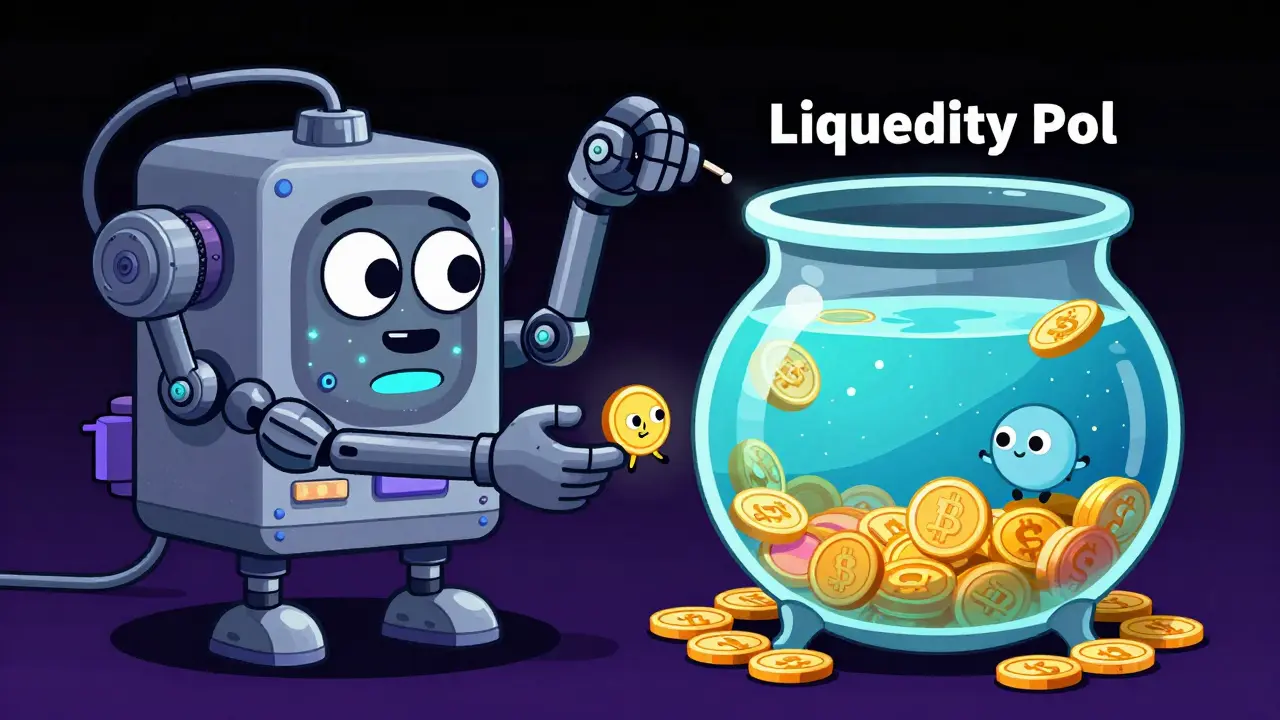
The Risk Factor: What Could Go Wrong?
Let's be honest: DeFi is the Wild West of finance. The biggest risk isn't usually the market crashing, but a technical failure. When you use a protocol, you are trusting the code. If there is a loophole in the smart contract, a hacker can drain the liquidity pools in seconds.
One specific danger you'll encounter is impermanent loss. This happens if you provide liquidity to a pool and the price of your deposited assets changes significantly compared to when you deposited them. You might find that you would have been better off just holding the coins in your wallet. This is a math problem, not a scam, but it catches many beginners off guard.
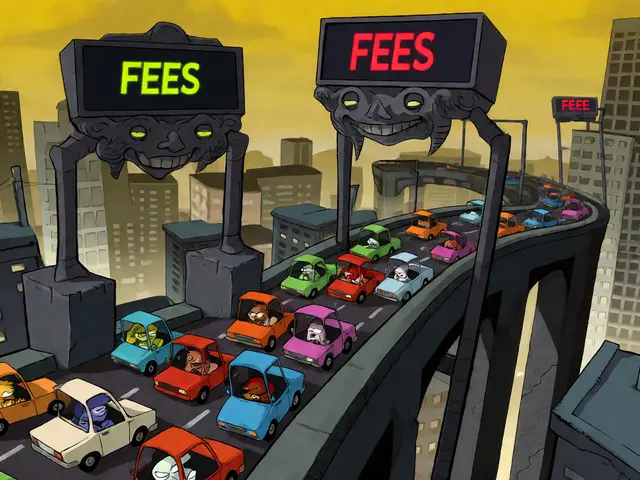
Another issue is gas fees. If Value DeFi operates primarily on the Ethereum network, you might find yourself paying $20 or more just to execute a single swap during high-traffic periods. This makes small trades practically impossible. To solve this, many are moving toward Layer-2 solutions, which act as "express lanes" to process transactions off the main chain before settling them back on the primary ledger.
Is it Actually User-Friendly?
For years, DeFi was reserved for people who knew how to code. Today, that's changing. A good exchange should only require two things: a compatible wallet (like MetaMask or Phantom) and a few clicks. If Value DeFi requires you to manually input contract addresses and hexadecimal strings just to make a simple trade, it's failing the usability test.
The best experience in 2026 involves "one-click bridging." This is where the protocol automatically moves your funds from one blockchain to another without you having to use a separate, risky third-party bridge. If Value DeFi has integrated these cross-chain features, it significantly lowers the barrier to entry for regular people.

How to Safely Use a DeFi Exchange
If you've decided to try out Value DeFi Protocol, don't just throw your entire portfolio into it. Follow these rules of thumb to keep your assets safe:
- Start with a "burner" wallet: Never connect your main vault containing your life savings to a new protocol. Create a separate wallet with only the amount you're willing to lose.
- Verify the Audit: Look for a security audit from reputable firms. If the protocol hasn't been audited, you're essentially gambling on the developer's ability to write bug-free code.
- Check the TVL: Total Value Locked is a proxy for trust. If only $10,000 is locked in the protocol, a single large trade could cause massive price slippage, meaning you get far fewer tokens than you expected.
- Monitor the Socials: DeFi moves fast. A sudden drop in activity on X (formerly Twitter) or Discord can be a warning sign of internal trouble before the official announcement hits.
Final Verdict: The Trade-Off
Choosing between a massive protocol and a smaller one like Value DeFi is a balance of risk and reward. You give up the "too big to fail" security of a platform like AAVE for the potential of higher yields or early access to new tokens. For most people, the smartest move is a diversified approach: keep the bulk of your holdings in battle-tested protocols and use a small percentage for experimental trading on newer exchanges.
What is the main difference between Value DeFi and a central exchange like Binance?
The biggest difference is custody. On a central exchange, you give your coins to the company, and they give you an IOU. With Value DeFi, you keep your coins in your own wallet and interact directly with a smart contract. There is no account to create and no one can freeze your funds.
Are my funds safe on Value DeFi Protocol?
Safety in DeFi depends entirely on the quality of the smart contract code. While no protocol is 100% safe, those with multiple third-party audits and a high TVL are generally more reliable. Always use a separate wallet for testing new protocols.
What is "slippage" and how does it affect my trades?
Slippage is the difference between the expected price of a trade and the price at which the trade actually executes. In low-liquidity pools, a large buy order can push the price up significantly, meaning you pay more than you planned. You can usually set a "slippage tolerance" in the settings to cancel the trade if the price moves too much.
Do I need to pay taxes on DeFi trades?
Yes, in most jurisdictions, swapping one cryptocurrency for another is considered a taxable event. Even though there is no central company reporting your trades to the government, the entire history is public on the blockchain, and tax authorities are increasingly using AI tools to track these wallets.
How do I earn passive income using this protocol?
You typically earn income by becoming a liquidity provider. You deposit a pair of tokens into a pool, and in return, you receive a portion of the trading fees paid by users who swap those tokens. However, remember that this exposes you to the risk of impermanent loss.



Findlay Duncan Lyon
Spot on guide for the basics.