
CryptoMarket: A Closer Look in 2026
Finding the right CryptoMarket digital asset trading platform focused on Latin America feels like searching for a needle in a haystack. While big names dominate headlines, regional players often fill gaps global giants ignore. With nearly 150,000 clients across the region, CryptoMarket Exchange positions itself as a vital bridge between local economies and the blockchain world.
By March 2026, the crypto landscape has stabilized somewhat after the volatility of 2025. However, users still face a choice: stick with established platforms like Coinbase or explore local options that handle fiat currency easier? If you live in Chile, Argentina, Brazil, or Mexico, the answer might lean toward convenience. But does convenience come with hidden risks? Let's break down exactly what this exchange offers, how it works, and whether it's safe to trust your money with.
| Key Attributes | |
|---|---|
| Region Focus | LATAM (Brazil, Chile, Argentina, Mexico) |
| Supported Assets | Bitcoin, Ethereum, Stellar Lumens, EOS |
| Trading Model | Traditional Order Book |
| User Base | ~150,000 Clients |
The Origin Story: Solving Local Pain Points
To understand CryptoMarket, you have to look at the problem it solves. In 2025 and heading into 2026, cross-border value transfer remained a nightmare for many LatAm residents due to high fees and slow banking infrastructure. This platform launched specifically to address efficient, cost-effective transfers. It wasn't built just for speculation; it was designed for moving value.
Unlike the Silicon Valley approach of "move fast and break things," this project emerged from a practical need. Being South America's pioneering Ethereum exchange gave it a foothold. Today, the name implies a broader mission. Whether you are a student in Buenos Aires sending funds home or a business owner in Santiago diversifying assets, the friction points are similar. The founders recognized that generic wallets don't solve the "cash-out" problem in local banks.
What Can You Actually Trade?
A significant portion of a review comes down to inventory. Do they have the coins you want? CryptoMarket isn't trying to list every obscure meme coin flooding the market. Their catalog is curated for stability and utility. You won't find thousands of altcoins here. Instead, you get the heavy hitters:
- Bitcoin (BTC): The bedrock of digital ownership.
- Ethereum (ETH): Essential for decentralized applications.
- Stellar Lumens (XLM): Popular for low-cost international payments.
- EOS: A smart contract platform alternative.
This limited selection is actually a feature for beginners. It reduces the risk of accidentally buying low-quality projects. For those deep into DeFi hunting the next 100x token, this isn't the place. For steady holding and converting fiat, it covers the basics well. The ability to use local currencies-like the Brazilian Real or Chilean Peso-is a massive plus over exchanges requiring USD deposits that incur bank conversion fees.
How the Trading Engine Works
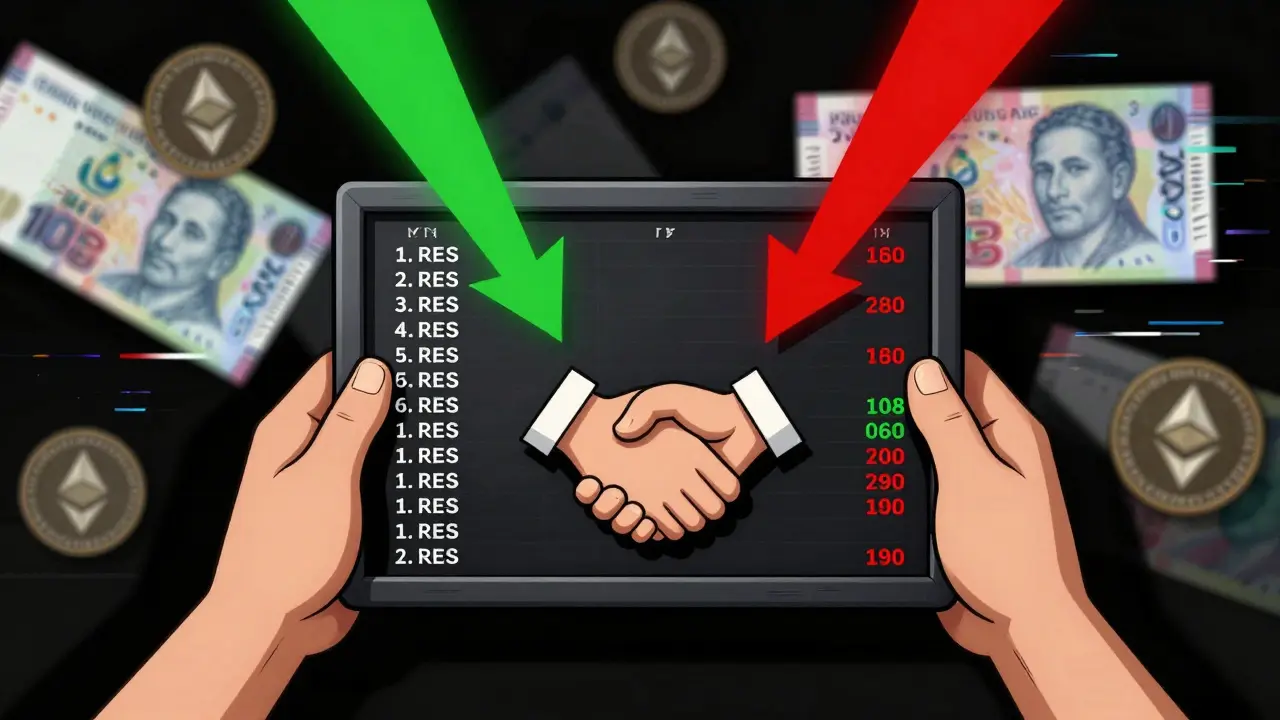
Many modern apps hide the complexity of trading behind a simple button. CryptoMarket sticks closer to the traditional method: the order book. Imagine a supermarket price tag board. Buyers write their desired prices in green. Sellers write theirs in red. When a buyer accepts a seller's price, the trade happens instantly.
This model gives you control but requires some attention. For example, if a seller lists 0.2022 ETH for a specific rate, you can see the exact return in local currency before clicking confirm. Say the quote shows you earning 42,122 CLP upon completion. There's no ambiguity there. However, this contrasts with "market orders" found elsewhere, which execute immediately at the best available price, regardless of slippage. Using the order book teaches you discipline regarding entry points.
The Elephant in the Room: Transparency & Security
Here is where we need to be honest. Compared to a giant like Coinbase, which releases monthly attestation reports, information about CryptoMarket's internal security protocols is harder to pin down publicly. In the post-Bybit hack era of 2025, where major firms suffered $195 million losses, security isn't optional-it's existential.
When evaluating any regional exchange, you must ask: Where are the funds stored? Are there multi-sig cold wallets? Does the platform offer Proof of Reserves? While CryptoMarket has processed transactions for years without widely reported breaches, the lack of granular public data means higher vigilance. If you plan to hold large amounts long-term, consider transferring your assets to a self-custody hardware wallet rather than leaving them idle on the platform.

Regional Regulations: Why This Matters
In 2025, governments worldwide tightened their grip on crypto. In Latin America, regulations vary wildly between countries. An exchange serving multiple jurisdictions must navigate each one individually. Some nations treat crypto as property, others as a foreign currency. CryptoMarket's longevity suggests they have found ways to operate compliantly, likely working with local partners rather than holding direct licenses everywhere.
This contrasts with Binance US or Kraken, which adhere strictly to SEC or NYDFS guidelines but may not accept certain national IDs. If you are outside the region, you might find access restricted. The platform is clearly optimized for local residency verification. Before depositing, verify that you meet the KYC (Know Your Customer) requirements for your specific country.
Comparing Options: CryptoMarket vs. The Giants
If you are hesitating between CryptoMarket and a global giant, here is the breakdown.
| Feature | CryptoMarket | Global Alternatives (e.g., Coinbase, Kraken) |
|---|---|---|
| Primary Region | Latin America | USA, Europe, Global |
| Fiat On-Ramps | Local Bank Transfers, Cards (BRL, CLP, ARS) | USD, EUR, GBP (often via Card/Bank Wire) |
| Asset Variety | Low (Focus on BTC, ETH, XLM, EOS) | High (Hundreds of tokens) |
| User Experience | Traditional Trading Interface | Simplified Buy/Sell + Advanced Pro Tools |
You choose CryptoMarket for convenience in cashing out to your local bank account. You choose global alternatives if you want advanced charts, staking options, or a wider variety of tokens. They serve slightly different needs. Don't expect them to be identical tools.
Pros and Cons to Consider
Before you sign up, weigh these factors honestly. Weighing pros and cons helps avoid buyer's remorse.
Pros:- Local Fiat Support: Easier to load funds via local banking rails than international wires.
- Community Size: With 150k clients, liquidity exists for major pairs without extreme spreads.
- Founding Mission: Built for efficiency, not just hype cycles.
- Simplicity: The interface isn't cluttered with complex margin products you don't need.
- Limited Asset List: If you want niche altcoins, look elsewhere.
- Transparency Gaps: Less public data on audits compared to top-tier US firms.
- Geographic Restriction: Access depends heavily on being a resident of supported LatAm countries.
- Support: Customer service quality can vary outside peak hours depending on local time zones.
Is CryptoMarket safe to use in 2026?
It appears operational with a large user base, but lacks the same level of public third-party auditing as US-exchange giants. For safety, use 2FA, keep only active trading funds on the exchange, and move large holdings to private wallets.
Which cryptocurrencies does it support?
Currently, the platform primarily focuses on Bitcoin (BTC), Ethereum (ETH), Stellar Lumens (XLM), and EOS. It also allows trading against specific local fiat currencies like BRL, CLP, and ARS.
Can I withdraw to my local bank account?
Yes, one of its main features is enabling withdrawals into local Latin American bank accounts using the respective national currency (e.g., Chilean Peso, Mexican Peso).
Are there any hidden fees?
Fees typically exist for transaction execution and fiat conversions. Always check the fee schedule for withdrawal costs to your local bank, as these can vary by payment processor and bank partner.
How does it compare to Coinbase?
Coinbase serves the global/US market with higher regulatory oversight and more coin options. CryptoMarket specializes in LatAm banking integration and fewer specific assets, focusing on accessibility for local residents.



namrata singh
I am really worried about how these regional platforms handle our personal data during transfers. The article mentions something about local banking rails but it feels vague regarding privacy protocols.