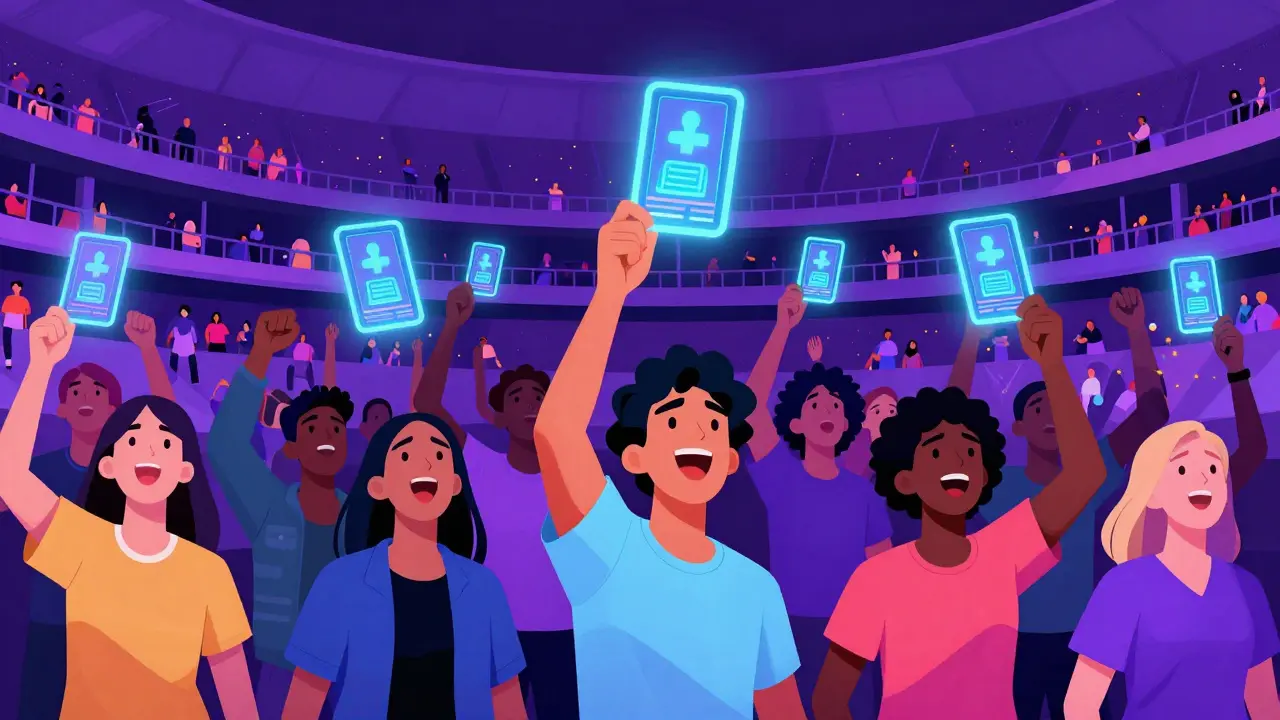
Imagine owning a piece of your favorite athlete's career or having a direct say in the design of a musician's next album cover. For decades, being a fan meant buying a ticket, wearing a jersey, and hoping your voice was heard in a crowded stadium or a chaotic comment section. That's changing. We're moving away from passive consumption and entering an era of active participation, powered by social tokens is a digital asset representing a creator's brand or community, allowing fans to invest directly in the people they support via blockchain technology.
These aren't just digital collectibles; they are tools for ownership. By removing the middlemen-the agents, the giant corporations, and the restrictive platforms-creators and fans are building a new kind of economy. If you've ever felt like a face in the crowd, these tokens are the key to getting a seat at the table.
The Shift from Passive Following to Active Ownership
Most of us are used to the "follow" button. You hit follow, you see the content, and you leave a like. That's a one-way street. Fan tokens turn that street into a two-way highway. These are specific blockchain-based assets designed to deepen the bond between a sports club or artist and their supporters. Instead of just watching from the sidelines, you become a stakeholder.
The magic here is the transition from a customer to a participant. When you hold a token, you aren't just buying a product; you're buying into a community's future. Data shows that over 60% of web3 communities now use gated content-exclusive areas where only token holders can enter. This creates a "superfan" tier that isn't based on how much money you spend on merchandise, but on your level of commitment and investment in the ecosystem.
How It Actually Works: The Tech Under the Hood
You don't need to be a computer scientist to get this, but it helps to understand that Blockchain is the engine making this possible. Unlike a traditional loyalty point system-where the company can change the rules or delete your points overnight-blockchain provides transparency and scarcity. If a creator says there are only 1,000 "Founder Tokens," the ledger proves it.
Because these tokens are transferable, they create a dynamic marketplace. Their value isn't set by a corporate board; it's driven by community demand. If a musician is on the verge of a global breakthrough, the demand for their tokens likely spikes. This aligns the incentives: when the creator wins, the fans who supported them early on also win.
| Feature | Traditional Loyalty Points | Social Tokens / Fan Tokens |
|---|---|---|
| Ownership | Owned by the company | Owned by the fan (on-chain) |
| Value | Fixed by the issuer | Driven by market demand |
| Transferability | Usually non-transferable | Tradable on secondary markets |
| Influence | None (passive) | Governance and voting rights |
Unlocking Real-World Perks and Digital Power
What do you actually get for holding these tokens? It's not just a number in a digital wallet. The most successful projects focus on "utility"-giving the token a real purpose. In the sports world, this often manifests as governance. Imagine voting on the official slogan for the next season or picking the music that plays when the team walks onto the field. It might seem like a small detail, but for a die-hard fan, it's a level of influence that was previously impossible.
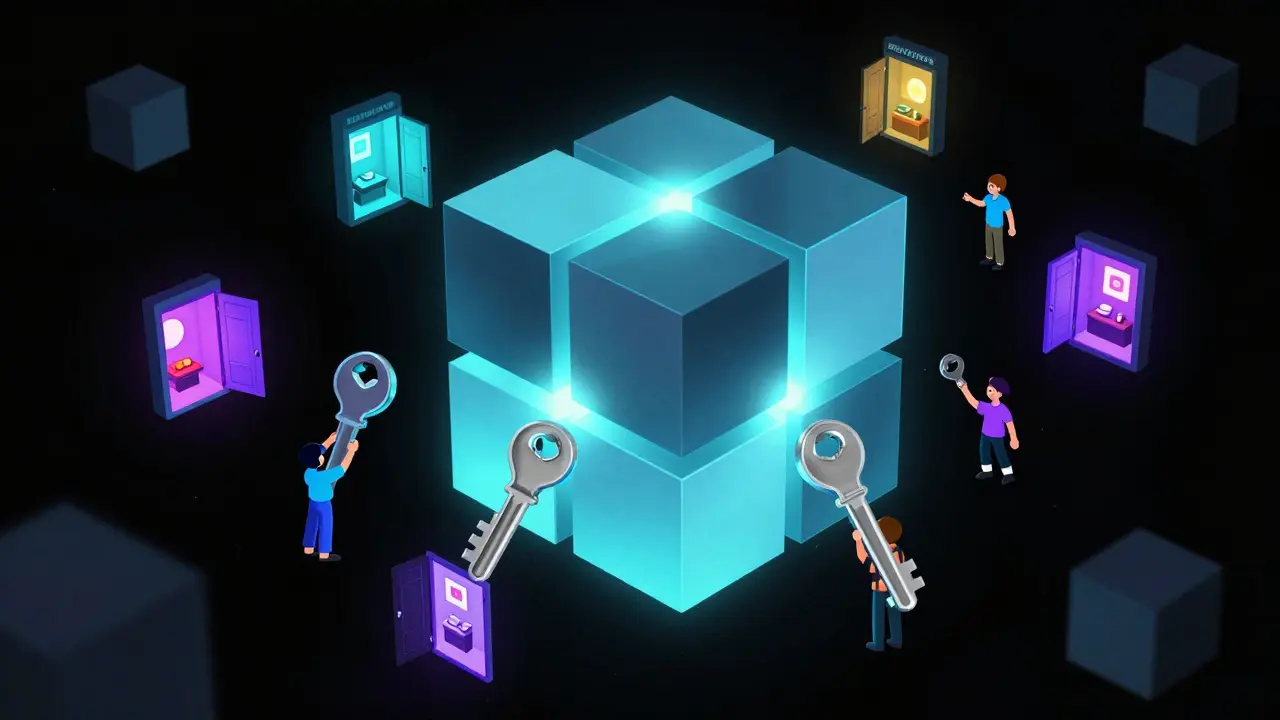
Then there's the access. Token holders often get a fast track to the things everyone else is fighting for:
- Priority ticketing for sold-out matches or concerts.
- Private access to Discord servers where they can chat directly with creators.
- Behind-the-scenes videos and insider blogs that aren't posted on Instagram or X.
- Opportunities for virtual meet-and-greets or tours of training facilities.
Gamification also plays a huge role. Many platforms use leaderboards and prediction contests. If you can predict the score of a game or the winner of a contest using your tokens, you might earn rare badges or even more tokens. This keeps the engagement loop running even when there isn't a live event happening.
The Creator Economy Revolution
For the creators themselves, this is a game-changer. We are seeing the rise of the Creator Economy, where artists and influencers no longer need to rely solely on ad revenue or corporate sponsorships. By issuing social tokens, they create a direct monetization channel with their most loyal fans.
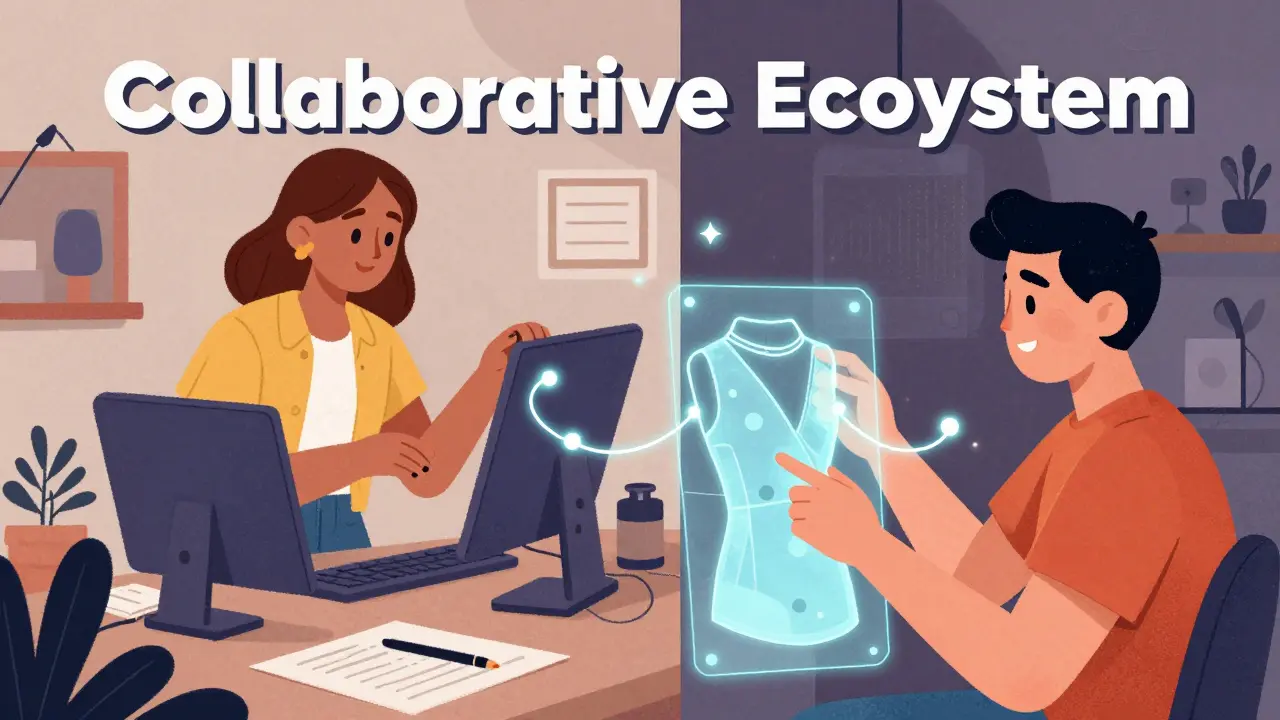
This shift changes how content is produced. Instead of chasing a generic algorithm to reach millions of strangers, creators can focus on delivering deep value to a few thousand token holders. It's a move from "reach" to "relationship." A fashion designer, for example, might let token holders vote on fabric choices for a new collection, effectively turning their customers into a decentralized R&D team.
Navigating the Risks and Roadblocks
It's not all sunshine and rainbows. Moving into the world of blockchain comes with a learning curve. Not everyone knows how to set up a digital wallet or keep their private keys safe. If a fan loses their key, they lose their tokens-there's no "forgot password" button on the blockchain.
There is also the issue of volatility. Because these tokens trade on open markets, their price can swing wildly based on a creator's reputation or a team's losing streak. If a fan buys a token as an investment and the price crashes, it can lead to resentment rather than engagement. This is why the most sustainable models focus on the utility (what the token does) rather than the speculation (what the token is worth).
The Future of the Fan Experience
Looking ahead, we can expect these systems to become invisible. We won't talk about "blockchain" or "wallets"; we'll just talk about "membership." The integration will become seamless, with tokens acting as a universal key to unlock experiences across different platforms.
We are likely to see a blend of digital and physical assets. A token might grant you access to a digital lounge during a game, but it could also trigger a physical reward, like a limited-edition jersey delivered to your door. As these tools evolve, the line between the "star" and the "fan" will continue to blur, creating a collaborative ecosystem where success is shared.
Do I need to be an expert in crypto to use social tokens?
No, you don't. While the tokens live on a blockchain, many creators use platforms that simplify the process. You can often buy tokens with a credit card and manage them through a simple app interface without ever needing to touch complex technical settings.
What happens if the creator stops producing content?
This is one of the primary risks of social tokens. If a creator disappears or loses their popularity, the demand for the token typically drops, and its value may plummet. Unlike a stock in a diversified company, a social token is highly dependent on the individual's continued success and engagement.
Are fan tokens the same as NFTs?
They are similar but different. NFTs (Non-Fungible Tokens) are unique; no two are exactly the same. Social tokens are usually "fungible," meaning one token is identical to another, much like a currency. However, some projects use a mix: a fungible token for voting and an NFT as a special badge of honor for top contributors.
Can I actually make money with social tokens?
It is possible if the creator's popularity grows and the token value increases, but it's risky. You should view these tokens primarily as a way to access exclusive experiences and support your favorite creators rather than as a guaranteed financial investment.
How do sports teams use these to make more money?
Teams generate immediate revenue from the initial token sale. More importantly, they increase long-term revenue by boosting loyalty. Fans who feel a sense of ownership are more likely to buy official merchandise, subscribe to premium content, and attend games, creating a more stable and engaged revenue stream.
Next Steps for Fans and Creators
If you're a fan, start by looking for your favorite creators on platforms like Patreon or specialized Web3 hubs to see if they've launched a token system. Don't invest more than you're willing to lose, and focus on the perks that actually matter to you.
For creators, the first step isn't launching a token-it's building a community. A token without a community is just a useless piece of code. Focus on creating a core group of "superfans" first, then use a token system to reward their loyalty and give them a voice in your creative process.



7stargee Emmanuel Obani
This is just a fancy way to lose money lol 🤡