You’ve probably seen it pop up in your feed or heard about it in a Discord server: the ORI Orica Token airdrop. The promise is always the same-free tokens, huge potential gains, and an easy click-to-claim process. But here is the hard truth that most hype trains ignore: there is no legitimate project called "Orica" running a major airdrop. In fact, searching for this specific token leads to dead ends, confusion with existing projects like Orca DEX, and a high probability of encountering a scam.
In the world of cryptocurrency, especially on fast-moving chains like Solana, names get twisted, misspelled, and weaponized by bad actors. If you are looking for free money, this might not be the news you wanted. But if you want to keep your wallet safe and actually find legitimate opportunities, understanding why "Orica" is a red flag is the most valuable lesson you can learn today.
The Name Game: Why "Orica" Doesn't Exist
Let’s clear up the confusion right away. There is a very famous decentralized exchange (DEX) on the Solana blockchain called Orca. Orca is a user-friendly automated market maker (AMM) that allows users to swap tokens and provide liquidity on Solana. It launched its native governance token, ORCA, back in August 2021. It is a respected, blue-chip project in the Solana ecosystem.
However, "Orica" with a 'c' instead of an 'a' at the end? That is a different story entirely. As of mid-2026, there is no verified, reputable project known as "Orica" that has announced a significant token airdrop. When you search for "ORI Orica Token," you are likely stumbling into one of three scenarios:
- Typo Squatting: Scammers create tokens with names that look almost identical to popular projects (like Orca, Jupiter, or Pyth) to trick users into buying or interacting with malicious contracts.
- Confusion with Other Projects: You might be mixing up Orca with other recent Solana airdrops. For example, there was buzz around ORCAI, a token associated with an AI-powered assistant on Solana. Some reports from 2025 mentioned small distributions of ORCAI to holders of other tokens, but this is a niche project, not a mainstream "Orica" airdrop.
- Complete Fabrication: Fake websites and social media bots generate noise around non-existent tokens to drive traffic to phishing sites.
The key takeaway? If the name sounds slightly off, it probably is. Legitimate projects don’t hide behind misspellings.
How Crypto Airdrop Scams Work in 2026
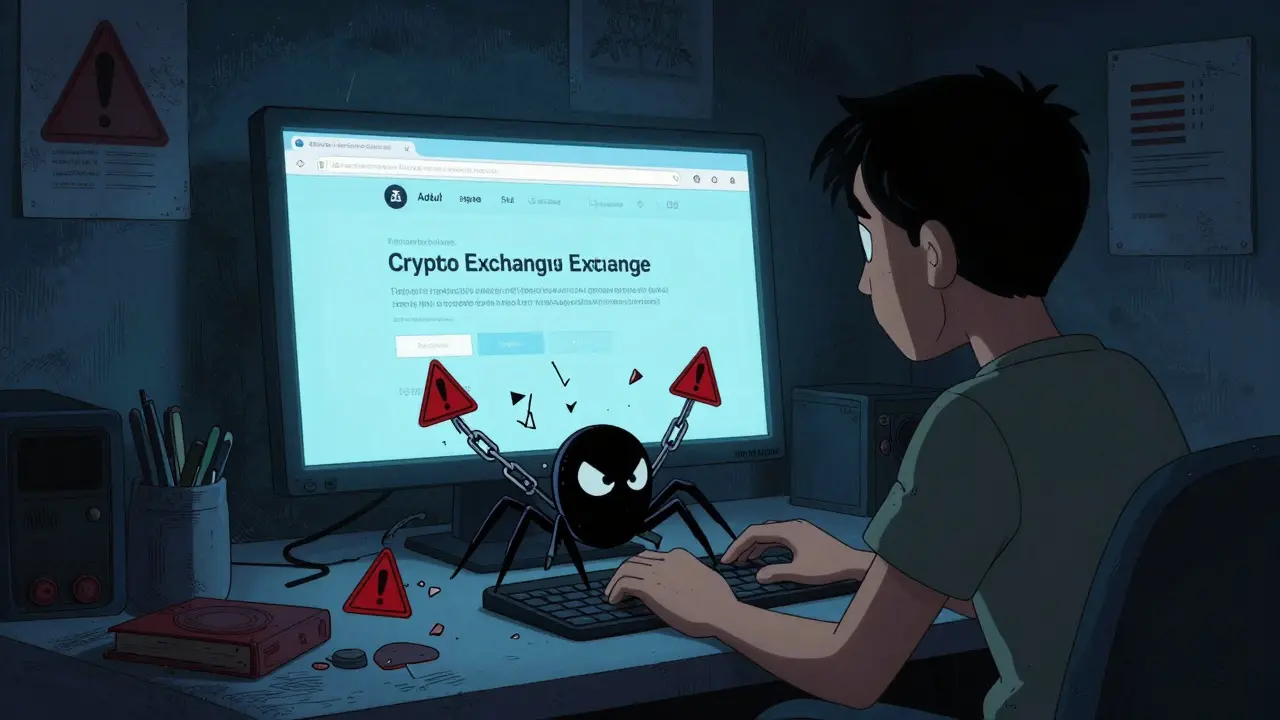
Scammers have gotten smarter, but their playbook remains surprisingly consistent. Understanding the mechanics of these scams helps you spot them before you lose funds. Here is how a typical fake airdrop campaign operates:
- The Hook: You see a tweet or a Telegram message claiming that "Orica" is giving away $10,000 worth of tokens to early adopters. The urgency is real: "Claim within 24 hours!"
- The Phishing Site: You click a link that looks exactly like the official Orca website or a generic claim portal. It asks you to connect your wallet (Phantom, Solflare, etc.).
- The Trap: Once connected, the site doesn’t just send you tokens. It prompts you to sign a transaction. This transaction isn’t for gas fees; it’s a malicious smart contract call that approves the scammer to drain your entire wallet balance.
- The Disappearance: Within seconds, your SOL and SPL tokens are gone. The website goes offline, and the Twitter account is deleted.
Another common tactic is the "Honeypot" token. You might actually receive some "ORI" tokens in your wallet. They show a value on a price chart. But when you try to sell them, the transaction fails. The smart contract is coded to allow buying but prevent selling, trapping your capital forever.
Real vs. Fake: Verifying Legitimate Airdrops
Not all airdrops are scams. Major protocols like Jupiter, A leading Solana aggregator that conducted a highly anticipated airdrop in early 2024 and Kamino, A lending protocol on Solana that distributed tokens to active users in April 2024 have given away millions of dollars in value legitimately. So how do you tell the difference between a genuine reward and a trap?
| Feature | Legitimate Airdrop | Scam/Fake Airdrop |
|---|---|---|
| Announcement Channel | Official Twitter/X, Discord, Website blog posts from verified accounts. | Random DMs, unverified tweets, Telegram groups with no moderation. |
| Website URL | Matches the official brand domain (e.g., orca.so). | Slightly misspelled domains (e.g., orica-token.com, orca-airdrop-official.net). |
| Wallet Connection | Never asks for your seed phrase. Only requests signature for standard transactions. | May ask for seed phrase (always a scam) or request unusual approval permissions. |
| Token Contract | Verified on Solscan/RugDoc. Liquidity is locked. | Unverified source code. High risk of honeypot functions. |
| Cost to Claim | Only network gas fees (minimal). Never requires sending SOL first. | Asks you to send SOL or USDC to "verify" your wallet or pay a "tax". |
If you are unsure, pause. Go to the project’s official website directly (not via the link in the message) and check their announcements section. If it’s not listed there, it doesn’t exist.
Legitimate Solana Ecosystem Opportunities
While you should avoid the "Orica" rabbit hole, the Solana ecosystem is still rich with legitimate ways to earn rewards. Instead of chasing ghosts, focus on proven strategies:
- Liquidity Providing: Platforms like Orca DEX often offer incentives for providing liquidity to stablecoin pairs or new volatile pairs. You earn trading fees and sometimes bonus tokens.
- Staking: Stake your SOL with reliable validators. While not an "airdrop," it provides consistent yield and secures the network.
- Ecosystem Participation: Projects like Eclipse, A Layer 2 scaling solution for Ethereum that has been active in the Solana community space and others often reward early testers. Keep an eye on official Discords for testnet phases.
- NFT Launchpads: Some NFT projects, like those on Rarible’s Scope Launchpad (which has partnered with Solana ecosystems), offer whitelist spots and mint benefits to active community members.
The best "airdrops" are often the ones you didn’t explicitly hunt for-they are rewards for being an active, long-term participant in the ecosystem.
Security Checklist: Protecting Your Wallet
Before you interact with any new token or website, run through this mental checklist. It takes ten seconds and could save you thousands of dollars.
- Check the URL: Is it spelled correctly? Does it use HTTPS? Are there subtle typos in the domain name?
- Verify the Source: Did the official project announce this? Check their verified Twitter handle. Look for the blue checkmark and follower count consistency.
- Use a Burner Wallet: For high-risk interactions, never use your main wallet holding your life savings. Use a separate wallet with minimal funds.
- Revoke Permissions: Regularly visit tools like Solana Revoke.cash or similar security tools to revoke access for apps you no longer use. Old approvals can be exploited later.
- Never Share Seed Phrases: No legitimate airdrop will ever ask for your 12 or 24-word recovery phrase. If they do, block and report immediately.
What to Do If You Already Clicked
Panic won’t help, but quick action might. If you connected your wallet to a suspicious "Orica" site or signed a strange transaction:
- Disconnect Immediately: Go to your wallet settings and disconnect the dApp.
- Move Funds: If you haven’t sent any tokens yet, move your remaining assets to a new wallet generated from a fresh seed phrase. Assume your current wallet address is compromised.
- Revoke Approvals: Use a revocation tool to cancel any token allowances granted to the suspicious contract.
- Monitor Activity: Watch your transaction history on Solscan for any outgoing transfers you didn’t initiate.
If funds were stolen, unfortunately, blockchain transactions are irreversible. Report the incident to local authorities and the platform where you discovered the scam, but manage your expectations regarding recovery.
Is the ORI Orica Token a real cryptocurrency?
No. There is no widely recognized or legitimate cryptocurrency named "ORI Orica." It is likely a scam token designed to mimic the popular Orca DEX or other Solana projects. Always verify token names against official project announcements.
Did Orca DEX have an airdrop in 2025 or 2026?
Orca DEX distributed its initial ORCA tokens in 2021. While they may offer occasional incentives for liquidity providers, there has been no major public "airdrop" event for Orca in 2025 or 2026. Be wary of claims suggesting otherwise.
How can I identify a fake airdrop website?
Look for misspelled URLs, lack of official verification badges on social media, and requests for your seed phrase. Legitimate airdrops are always announced on official channels like the project's main website and verified Twitter account.
What is the difference between Orca and Orica?
Orca is a legitimate, established decentralized exchange on Solana. "Orica" appears to be a misspelling used by scammers to create fake tokens or phishing sites. There is no official connection between the two.
Are there any safe airdrops available on Solana right now?
Safe airdrops come from reputable projects with transparent roadmaps. Currently, opportunities are more focused on liquidity mining and staking rewards rather than free token drops. Always research the project team and smart contract audits before participating.



Melissa Beckwith
It is absolutely fascinating to observe the sheer persistence of these typographical squatting schemes, which seem to operate on a level of psychological manipulation that most casual observers fail to comprehend until it is far too late. The distinction between Orca and Orica is not merely semantic; it represents a fundamental breach of trust within the decentralized ecosystem, where users are expected to exercise due diligence in verifying contract addresses rather than relying on superficial brand recognition. I have spent considerable time analyzing the transaction patterns associated with these so-called 'airdrops,' and what becomes evident is a sophisticated network of bot-driven engagement designed to create an illusion of legitimacy through volume and visibility. These actors understand that human attention spans are short and that the promise of free capital overrides rational skepticism in the majority of cases. Furthermore, the technical infrastructure behind these scams often involves complex smart contracts that are deliberately obfuscated to prevent easy auditing by security researchers. It is crucial for the community to recognize that legitimate projects do not require users to sign arbitrary transactions that grant unlimited approval allowances to unknown entities. The education gap here is widening, and unless we implement more robust verification protocols at the wallet level, we will continue to see millions of dollars siphoned off by these digital predators who exploit our collective greed and ignorance.