Crypto Sanctions Relief: What It Means and Who It Affects
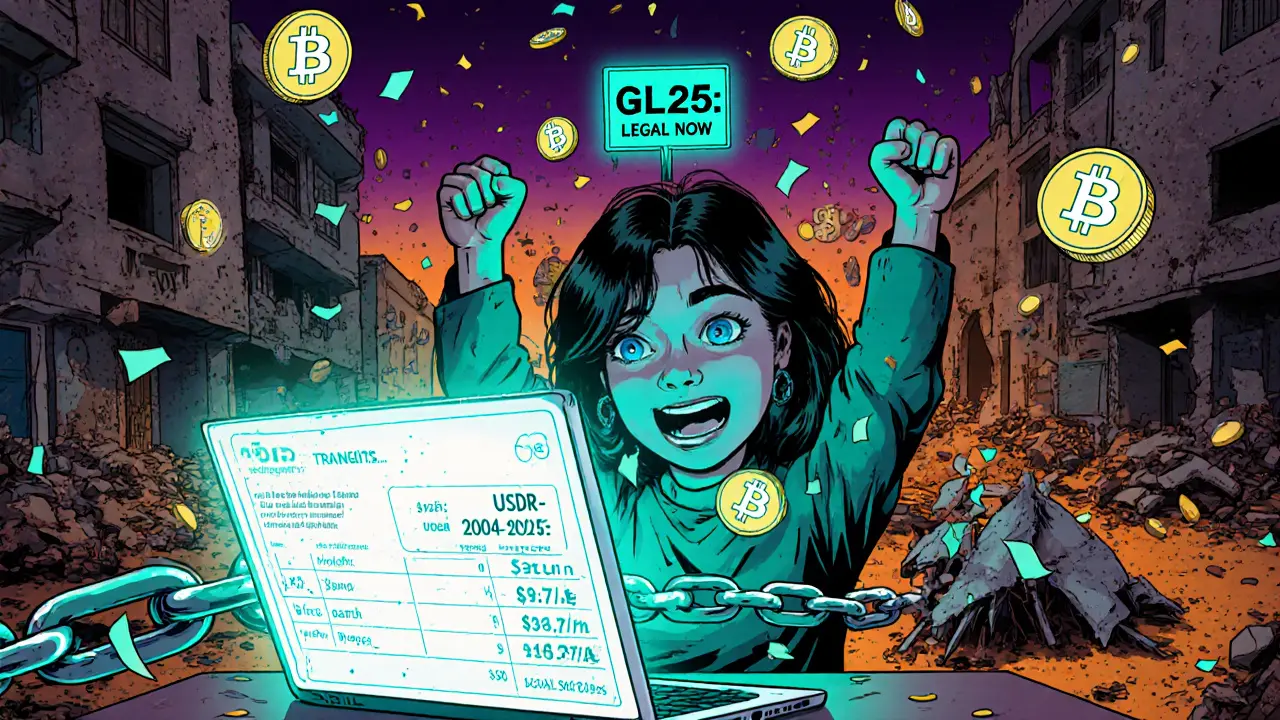
When we talk about crypto sanctions relief, the easing or removal of government restrictions on cryptocurrency use by individuals or entities under prior sanctions. It’s not about making crypto legal—it’s about lifting barriers that once blocked access to global markets, exchanges, or wallets. This isn’t theoretical. In 2025, countries like Nigeria, Vietnam, and even parts of the Middle East quietly started relaxing rules that once forced traders underground. The goal? Keep capital flowing, reduce black market risks, and bring crypto activity into the light—without fully embracing it as legal tender.
Crypto exchange restrictions, government rules that block or limit access to platforms like Binance, Kraken, or local exchanges used to be the norm. Now, many are being replaced with licensing systems. For example, Nigeria didn’t just lift its ban—it created a framework where only registered platforms can operate. That’s not freedom—it’s controlled access. Meanwhile, the UK’s HM Treasury crypto regulations, a set of rules placing crypto exchanges and stablecoin issuers under FCA oversight show how even strict regulators are adapting. They’re not removing oversight—they’re just moving from blocking to monitoring.
What does this mean for you? If you’re in a country that once banned crypto, you might now be able to use a local exchange legally. But you’ll still need to jump through hoops: ID verification, local bank links, tax reporting. And if you’re outside those countries, sanctions relief elsewhere can affect your trading. Why? Because when Venezuela or Iran get access to new liquidity channels, global prices shift. When Nigerian traders can finally use stablecoins without fear, arbitrage opportunities pop up. This isn’t just local policy—it’s global ripple effect.
And it’s not just about countries. Projects that once relied on anonymity are now building compliance into their design. Some DeFi platforms now integrate KYC tools just to stay open in markets where relief is happening. Others are shutting down entirely because they can’t adapt. The winners? Exchanges that work with regulators. The losers? Scam platforms pretending to be ‘sanction-free’—because real relief isn’t about evasion, it’s about alignment.
Below, you’ll find real reviews and breakdowns of exchanges, regulations, and token projects shaped by this shift. Some are legitimate platforms adapting to new rules. Others are scams hiding behind the noise. We’ll show you who’s actually benefiting from crypto sanctions relief—and who’s just pretending.