Shido DEX: What It Is, Why It Matters, and What You Need to Know
When you hear Shido DEX, a decentralized exchange built on a blockchain optimized for speed and low fees. Also known as Shido Swap, it's one of the few DEXs designed specifically for users who want trades under a penny and near-instant settlement. Unlike big names like Uniswap or SushiSwap, Shido DEX doesn’t rely on Ethereum’s congested network. Instead, it runs on its own chain or a sidechain built for efficiency—meaning you don’t pay $50 in gas to swap two tokens.
This matters because most DeFi platforms today are either too slow or too expensive for everyday use. Decentralized exchange, a peer-to-peer platform for swapping crypto without a middleman isn’t just a buzzword—it’s the backbone of self-custody trading. Shido DEX takes that idea and makes it practical. You don’t need a crypto degree to use it. Just connect your wallet, pick your tokens, and hit swap. No KYC, no waiting, no surprise fees. It’s built for people who trade small amounts often—like daily swaps between stablecoins, memecoins, or new project tokens.
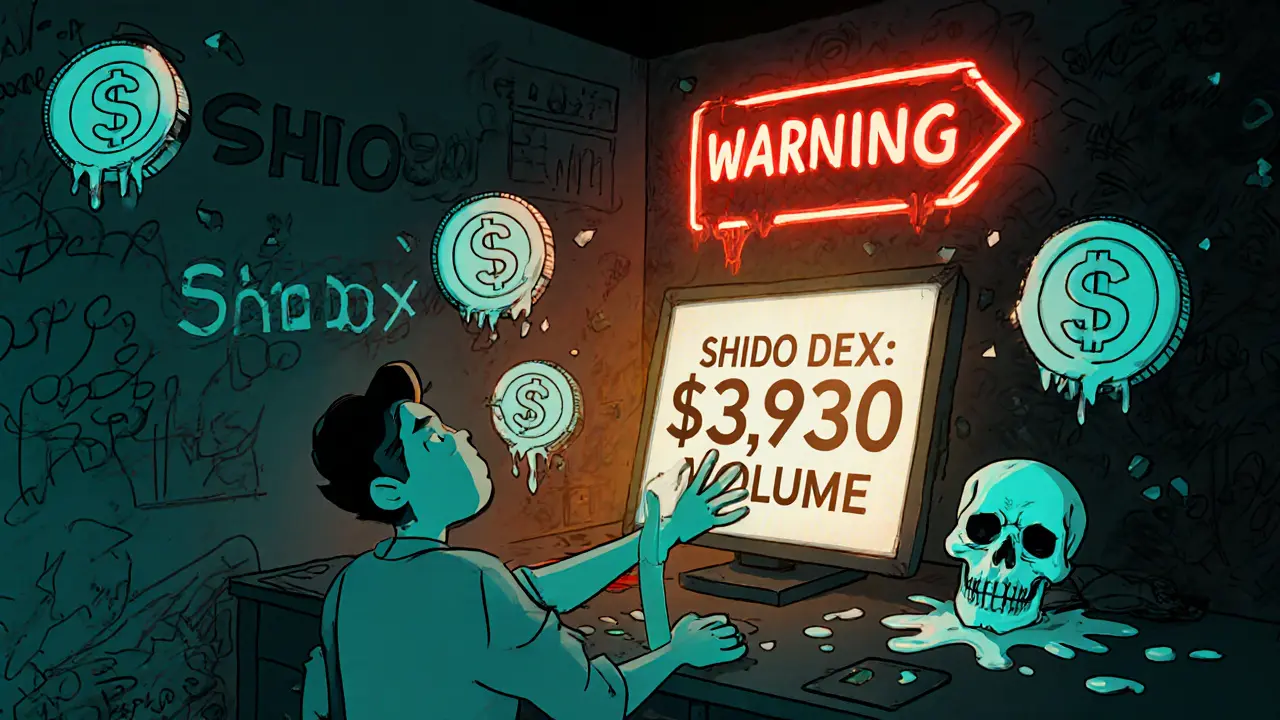
But here’s the catch: not all DEXs are created equal. DeFi platform, a suite of financial tools running on blockchain without central control can mean anything from a liquidity pool with $100M in funds to a token with zero volume and a Discord full of bots. Shido DEX sits somewhere in between. It’s not the biggest, but it’s active. Real users are trading. Real liquidity exists. And unlike platforms like SushiSwap on Arbitrum Nova—where trading volume is practically invisible—Shido DEX has enough traffic to make swaps smooth.
What you won’t find here is a flashy team with LinkedIn profiles or a whitepaper that reads like sci-fi. Shido DEX doesn’t pretend to be the future of finance. It’s just a tool that works. And in crypto, that’s rare. It’s the kind of project that flies under the radar until you need it—like when you’re trying to swap a new token that’s not listed on any centralized exchange yet. That’s where Shido DEX steps in.
Below, you’ll find real reviews and breakdowns of similar platforms—some working, some dead, some outright scams. You’ll see how OpenSwap on Harmony faded into silence, why SushiSwap on Arbitrum Nova is a ghost town, and how KCCSwap claims an airdrop that doesn’t exist. These aren’t random posts. They’re lessons. Lessons on what to look for, what to avoid, and how to tell the difference between a working DEX and a honeypot. Whether you’re swapping tokens for the first time or trying to figure out why your last trade failed, the truth is in the details. And the details are right here.