XGT Token Distribution: Who Got What and Why It Matters
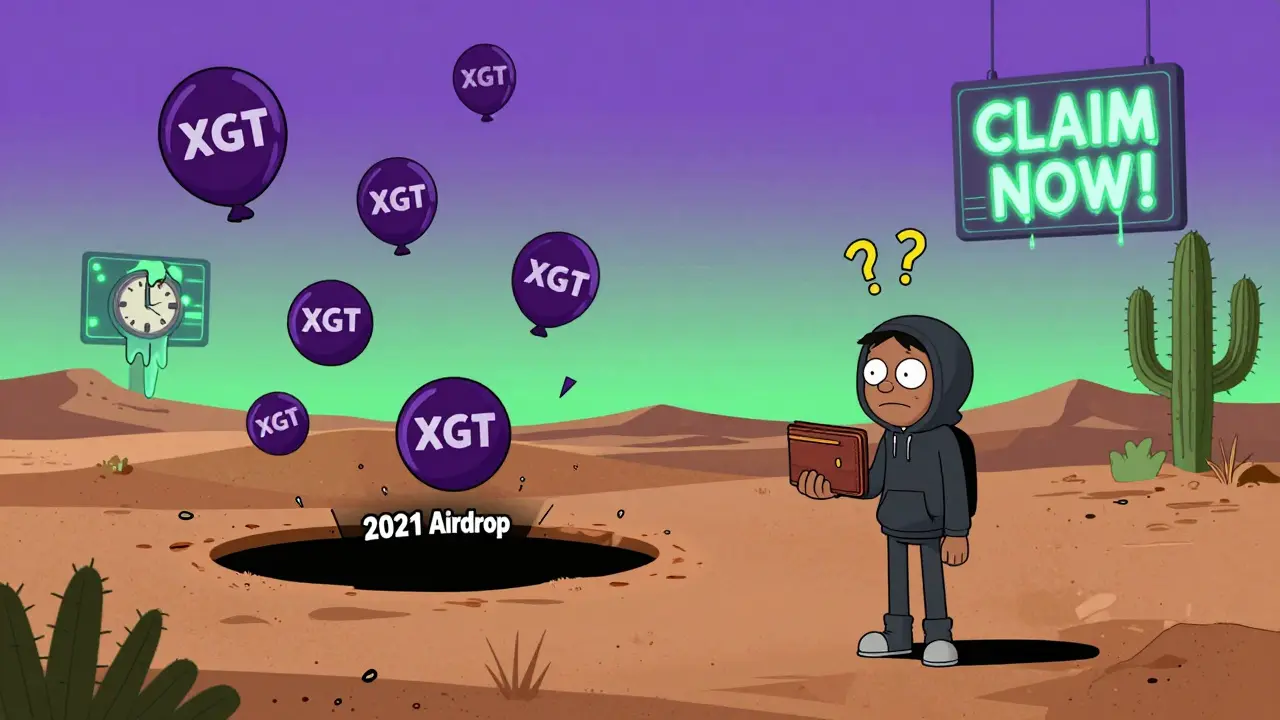
When you hear XGT token distribution, the way XGT tokens were allocated among investors, team members, and public participants. Also known as token allocation, it tells you who really controls the supply and whether the project was built to last or to cash out. Most crypto projects fail because their token distribution is lopsided—too much in the hands of insiders, too little for the community. XGT’s case is no different. If you’re holding XGT, you need to know if you’re part of the majority or just a footnote in someone else’s exit plan.
Token distribution isn’t just a technical detail—it’s a red flag generator. Look at the posts below: projects like BinaryX (BNX), a token that forced a mandatory swap to FORM in 2025, show how poorly communicated token changes can wipe out user trust. Same with DSG token airdrop, a token with zero trading volume and no circulating supply. If a project hides its distribution, it’s usually because the numbers don’t look good. XGT’s distribution likely follows the same pattern: a small group got the bulk, early adopters got scraps, and retail holders are left guessing.
Compare that to healthy tokenomics, like what you see in Ref Finance (REF), a DeFi platform on NEAR Protocol with low fees and real user adoption. Their tokens went to liquidity providers, developers, and long-term stakers—not just VC wallets. That’s the difference between a project that wants to build and one that wants to flip. XGT’s distribution will tell you which side it’s on. Did they lock team tokens for 2 years? Was there a public sale? How much went to marketing versus development? These aren’t boring details—they’re survival clues.
And don’t get fooled by hype. Projects like SBAE crypto, a meme coin with no ties to Salt Bae and a market cap under $50,000, look flashy but have zero real distribution logic. XGT might be trying to look like a serious project, but if the numbers don’t add up, it’s just another distraction. The posts below dig into real cases—scams, swaps, airdrops, and failed tokens—so you don’t have to guess what’s going on with XGT. You’ll see exactly how token distribution shapes outcomes, who wins, who loses, and why most people never see the full picture until it’s too late.