Decentralized Exchange: What It Is and How It Changes Crypto Trading
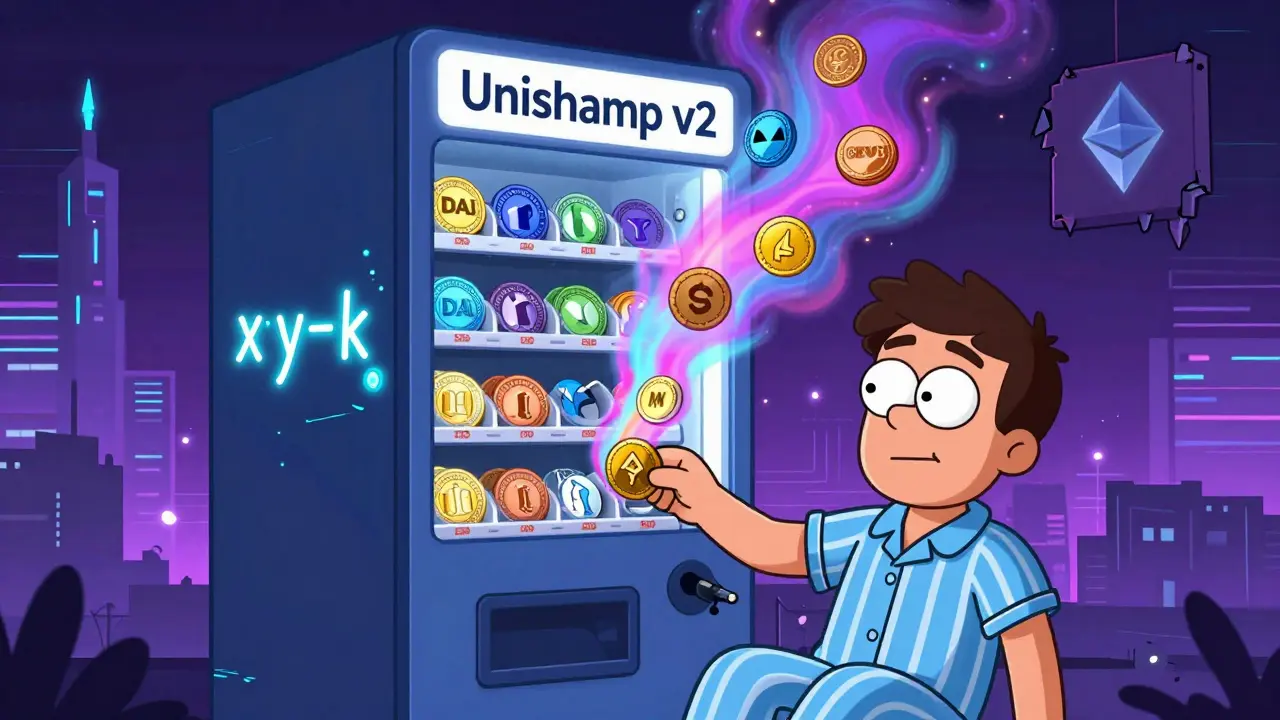
When you trade crypto on a decentralized exchange, a peer-to-peer platform that lets users swap digital assets without relying on a central company. Also known as DEX, it removes banks, brokers, and account freezes from the equation. That’s not just a technical detail—it’s a shift in power. Instead of trusting a company like Binance or Coinbase to hold your coins, you keep control with your own wallet. You sign trades directly from your device, and smart contracts handle the rest. No one can freeze your account or delay your withdrawal.
This model runs on DeFi, a system of open financial tools built on blockchains like Ethereum, NEAR, and Solana. Platforms like Ref Finance on NEAR or OpenSwap on Harmony were built to make trading faster and cheaper than traditional exchanges. But not all DEXs survive. Some, like OpenSwap, fade away because no one uses them. Others, like KCCSwap, never launched at all. That’s why knowing the difference between a real DEX and a ghost project matters. You’re not just picking a trading site—you’re choosing whether the code behind it has staying power.
And it’s not just about trading. cryptocurrency, digital money secured by cryptography and recorded on a public ledger. moves differently on a DEX. You can swap tokens without KYC, earn fees by lending liquidity, or even build your own trading pair. But that freedom comes with risk. If you send funds to a fake DEX like CreekEx or Woof Finance, there’s no customer service to call. No refund. No appeal. That’s why the posts below dig into real cases: the ones that worked, the ones that collapsed, and the ones that were scams all along.
What you’ll find here isn’t theory. It’s the messy reality of crypto trading in 2025: Nigerian traders bypassing restrictions, Korean users stuck with local-only platforms, and meme coins with zero liquidity masquerading as DeFi projects. You’ll see how a token swap in BinaryX wiped out users’ holdings, how Vietnam’s rules block stablecoins, and why a DEX on Harmony died quietly. These aren’t edge cases—they’re lessons written in lost funds and broken promises. If you’re trading crypto without a middleman, you need to know what’s real, what’s dead, and what’s just a trap waiting to be clicked.